
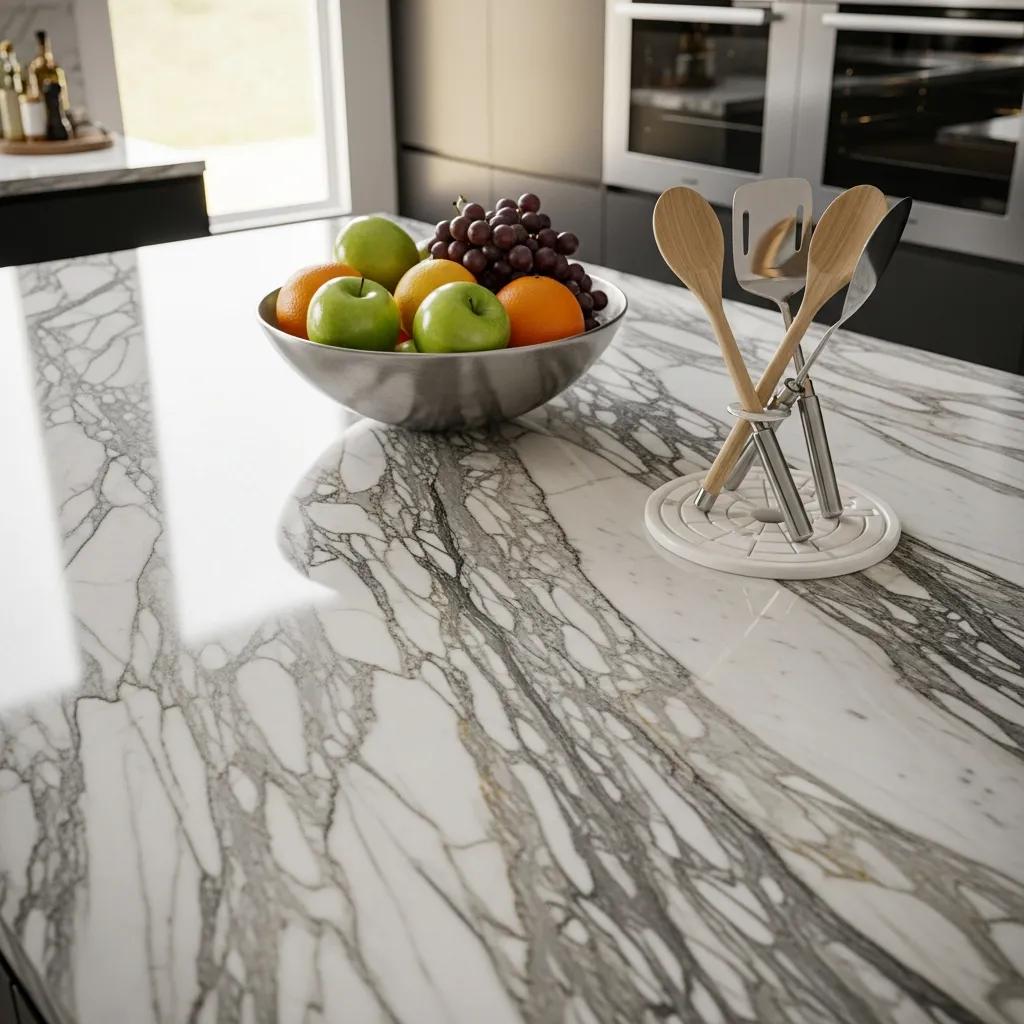
permanent etch protection sealing Islip NY – Professional Marble Countertop Protection for Lasting Beauty and Durability
Marble countertops are a stunning addition to any home, but they are susceptible to etching from acidic substances. permanent etch protection sealing is a crucial process that protects these surfaces, helping to reduce etching and staining, thereby maintaining their beauty and durability over time. In this article, we will explore the causes of marble etching, the benefits of professional permanent etch protection sealing, and how the process is performed by experts in Islip, NY. Additionally, we will discuss the types of marble that benefit most from this service and how High Line Stone Care delivers trusted marble protection services in Islip and Suffolk County. By understanding these aspects, homeowners can make informed decisions about maintaining their marble surfaces.
Why Does Marble Etch and How Does permanent etch protection sealing Prevent Damage?
Marble etching occurs when acidic substances come into contact with the surface, leading to dull spots and damage. This reaction happens because marble is primarily composed of calcium carbonate, which reacts with acids, resulting in etch marks. permanent etch protection sealing provides a protective barrier that helps reduce the penetration of these substances into the marble surface, thereby preserving its appearance and integrity.
What Causes Etch Marks on Marble Surfaces?
Etch marks on marble surfaces are primarily caused by acidic substances such as vinegar, citrus juices, and certain cleaning products. These acids react with the calcium carbonate in the marble, leading to visible damage. Common household items, including wine and coffee, can also contribute to etching if spilled and not cleaned promptly. Understanding these causes is essential for preventing damage to marble surfaces.
How Do Advanced etch resistant coatings Protect Marble Beyond Traditional Sealers?
Advanced etch resistant coatings utilize cutting-edge technology to provide superior protection compared to traditional sealers. These coatings form a durable, hydrophobic layer that repels water and oils, helping to prevent stains and reduce etching. Unlike conventional sealers, which may wear off over time, advanced coatings offer longer-lasting protection, helping marble surfaces remain beautiful and easier to maintain.
Further research highlights the critical role of advanced materials in preserving marble, particularly through nanostructured treatments.
Nanostructured Treatments for Marble Protection & Durability
Marbles have been extensively used in historical architecture owing to their good mineralogical and microstructural properties, durability, and aesthetic quality. Nevertheless, the protection of historical marbles in outdoor conditions is a difficult task, mainly because of their low open porosity. An overview of nanostructured protective treatments based on the use of SiO2, TiO2, ZnO, and Ag nanoparticles to confer superhydrophobic, self-cleaning, and antifouling properties to the surface is proposed.
The protection of marble surfaces: The challenge to develop suitable nanostructured treatments, L Toniolo, 2018
What Are the Key Benefits of Professional Marble permanent etch protection sealing in Islip NY?
Professional marble permanent etch protection sealing offers several significant benefits that enhance the longevity and appearance of marble surfaces.
- Long-lasting Protection: permanent etch protection sealing creates a robust barrier against acidic substances, significantly reducing the risk of etching and staining.
- Cost-effectiveness: Sealing is a cost-effective alternative to marble replacement, saving homeowners money in the long run.
- Preservation of Natural Beauty: Sealing helps maintain the marble’s natural finish and appearance, ensuring it remains a focal point in any space.
For homeowners in Islip, NY, investing in professional permanent etch protection sealing can provide peace of mind and protect their valuable marble countertops.
How Does permanent etch protection sealing Preserve Marble’s Natural Finish and Appearance?
permanent etch protection sealing preserves the natural finish of marble by creating a protective layer that helps prevent damage from acidic substances. This sealing process enhances the visual appeal of the marble, allowing its unique patterns and colors to shine through. Homeowners can enjoy the beauty of their marble surfaces without the worry of etching or discoloration, making it an essential service for maintaining marble countertops.
Why Is permanent etch protection sealing a Cost-Effective Alternative to Marble Replacement?
Choosing permanent etch protection sealing over marble replacement is a financially savvy decision. The cost of sealing is significantly lower than that of replacing damaged marble surfaces. By investing in sealing, homeowners can extend the life of their countertops, retain their property value, and avoid the hassle and expense of a complete replacement. This proactive approach to marble care helps ensure that surfaces remain in excellent condition for years to come.
How Is the permanent etch protection sealing Process Performed by Experts in Islip, NY?

The permanent etch protection sealing process involves several critical steps to ensure effective application and long-lasting results.
- Surface Preparation: Before applying the etch resistant coating, the marble surface must be thoroughly cleaned and any existing damage assessed. This step ensures that the coating adheres properly and provides optimal protection.
- Application of etch resistant coating: The coating is applied evenly across the surface, creating a protective barrier. This process requires precision and expertise to ensure complete coverage.
- Curing Procedures: After application, the coating must cure for a specified period to achieve maximum effectiveness. This step is crucial for ensuring the longevity of the protection.
What Surface Preparation Steps Are Essential Before Applying etch resistant coating?
Proper surface preparation is vital for the success of the permanent etch protection sealing process. Essential steps include:
- Thorough Cleaning: The marble surface must be cleaned to remove dirt, grime, and any previous sealers.
- Damage Assessment: Inspecting the surface for scratches or etch marks allows for necessary repairs before sealing.
- Preparation Tools: Using appropriate tools, such as pads and cleaners, ensures the surface is adequately prepared for sealing.
What Are the Application and Curing Procedures for Marble permanent etch protection sealing?
The application and curing procedures for permanent etch protection sealing are critical to achieving effective results.
- Application Techniques: The etch resistant coating is applied using specialized tools to ensure even distribution across the surface.
- Curing Time: The coating requires a specific curing time, typically 24-72 hours, during which the surface should not be exposed to water or heavy use.
- Final Inspection: After curing, a final inspection ensures that the coating has been applied correctly and that the surface is ready for use.
Which Marble Types and Stone Surfaces Benefit Most from permanent etch protection sealing in Long Island?
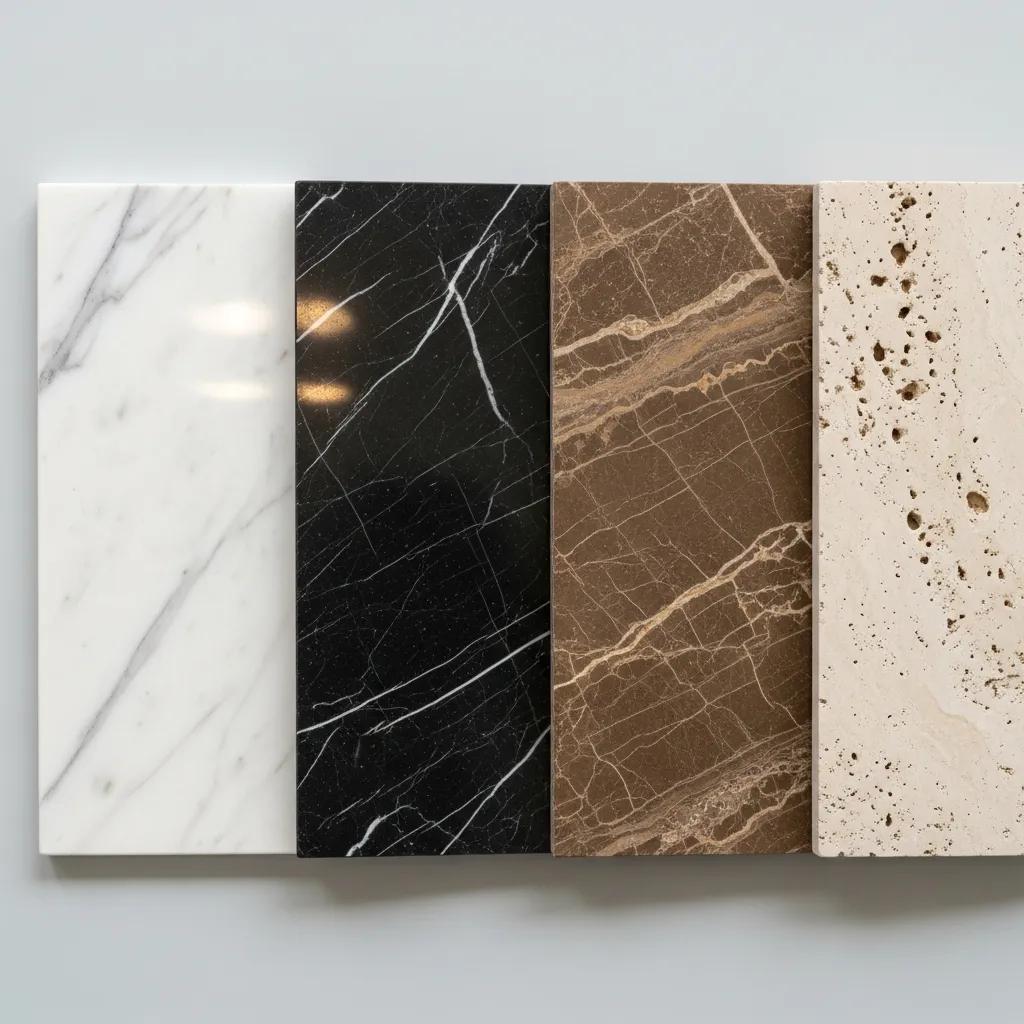
Various types of marble and stone surfaces can benefit from permanent etch protection sealing, making it a versatile solution for homeowners.
Understanding the broader landscape of stone protection reveals the diverse approaches and materials used to safeguard various natural stone surfaces.
Trends in Stone Protection: Water Repellents & Nanostructured Coatings
This chapter provides a background on stone protection, taking into consideration the performance requirements, working properties, and the criteria for the selection of the most appropriate materials for specific case-studies. The main classes of protective treatments (water repellents, antigraffiti coatings, inorganic treatments, limewashes, salts inhibitors, etc.) are explored, along with information about their properties, performances, and durability once applied to naturally weathered stone surfaces. Recent trends in the development of innovative and nanostructured formulations with antibacterial, depolluting, and antifouling properties for stone protection are also examined, providing recommendations for further studies.
Current and future trends in protective treatments for stone heritage, 2022
- Polished Marble: This finish is particularly susceptible to etching, making sealing essential for maintaining its shine.
- Honed Marble: While less glossy, honed marble also benefits from sealing to prevent staining and etching.
- Other Natural Stones: Stones such as limestone and travertine can also be protected by etch resistant coatings, helping to ensure their longevity and beauty.
Can permanent etch protection sealing Be Applied to Different Marble Finishes Like Polished and Honed?
Yes, permanent etch protection sealing can be applied to various marble finishes, including polished and honed. The sealing process is adaptable, ensuring that both types receive the necessary protection. Polished marble, with its reflective surface, requires careful application to maintain its shine, while honed marble benefits from sealing to prevent staining without altering its matte finish.
What Other Natural Stones in Islip NY Are Protected by etch resistant coatings?
In addition to marble, several other natural stones can benefit from etch resistant coatings, including:
- Limestone: This porous stone is prone to staining and etching, making sealing essential for preservation.
- Travertine: Similar to limestone, travertine requires protection to maintain its beauty and durability.
- Soapstone: While more resistant to etching, soapstone can still benefit from sealing to enhance its longevity.
How Does High Line Stone Care Deliver Trusted Marble Protection Services in Islip and Suffolk County?
High Line Stone Care is a reputable provider of marble protection services in Islip and Suffolk County. With over 10 years of experience, the company specializes in the restoration, polishing, and protection of various natural stone surfaces, including marble.
What Experience and Certifications Support High Line Stone Care’s permanent etch protection sealing Quality?
High Line Stone Care’s team is equipped with extensive experience and certifications in stone restoration and care. Their expertise ensures that clients receive high-quality service and effective permanent etch protection sealing solutions tailored to their specific needs. The use of premium-quality products further enhances the effectiveness of their services, providing clients with peace of mind.
What Do Islip Customers Say About Their Marble Restoration and Protection Results?
Customer testimonials highlight the satisfaction and positive results achieved through High Line Stone Care’s services. Many clients report significant improvements in the appearance and durability of their marble surfaces after professional permanent etch protection sealing. The company’s commitment to quality and customer satisfaction is evident in the feedback received from Islip residents.
What Are Common Questions About Marble permanent etch protection sealing in Islip NY?
Homeowners often have questions regarding the longevity and maintenance of permanent etch protection sealing on marble surfaces.
- How Long Does Professional etch protection Last on Marble Countertops?: Professional etch protection can last several years, depending on usage and maintenance practices. Regular cleaning and care can extend the life of the seal.
- Can I Remove Existing Etch Marks Myself or Should I Hire Professionals?: While some minor etch marks can be addressed with DIY methods, hiring professionals is recommended for significant damage to ensure proper restoration and protection.
How Long Does Professional etch protection Last on Marble Countertops?
Professional etch protection typically lasts between 3 to 5 years, depending on factors such as the type of marble, usage, and maintenance. Regular cleaning and avoiding acidic substances can help prolong the effectiveness of the seal, ensuring that the marble remains protected and beautiful.
Can I Remove Existing Etch Marks Myself or Should I Hire Professionals?
While some homeowners may attempt to remove etch marks using DIY methods, it is often more effective to hire professionals. Experts have access to specialized tools and products that can restore the marble’s surface without causing further damage. Professional services ensure that the marble is properly cared for and protected against future etching.