

permanent etch protection sealing Fort Lee NJ – Expert Marble Protection for Long-Lasting Stone Care
Marble surfaces are a stunning addition to any home, but they require special care to maintain their beauty and integrity. permanent etch protection sealing is a crucial process that helps protect marble from damage caused by acidic substances, reducing the risk of etching and helping your countertops and floors remain pristine. In this article, we will explore the causes of marble etching, how permanent etch protection sealing works, and the expert services provided by High Line Stone Care in Fort Lee, NJ. You will learn about the benefits of professional sealing, the process involved, and how to maintain your sealed marble surfaces effectively. By understanding these aspects, you can make informed decisions about protecting your marble investments.
What Causes Marble Etching and How Can It Be Prevented?
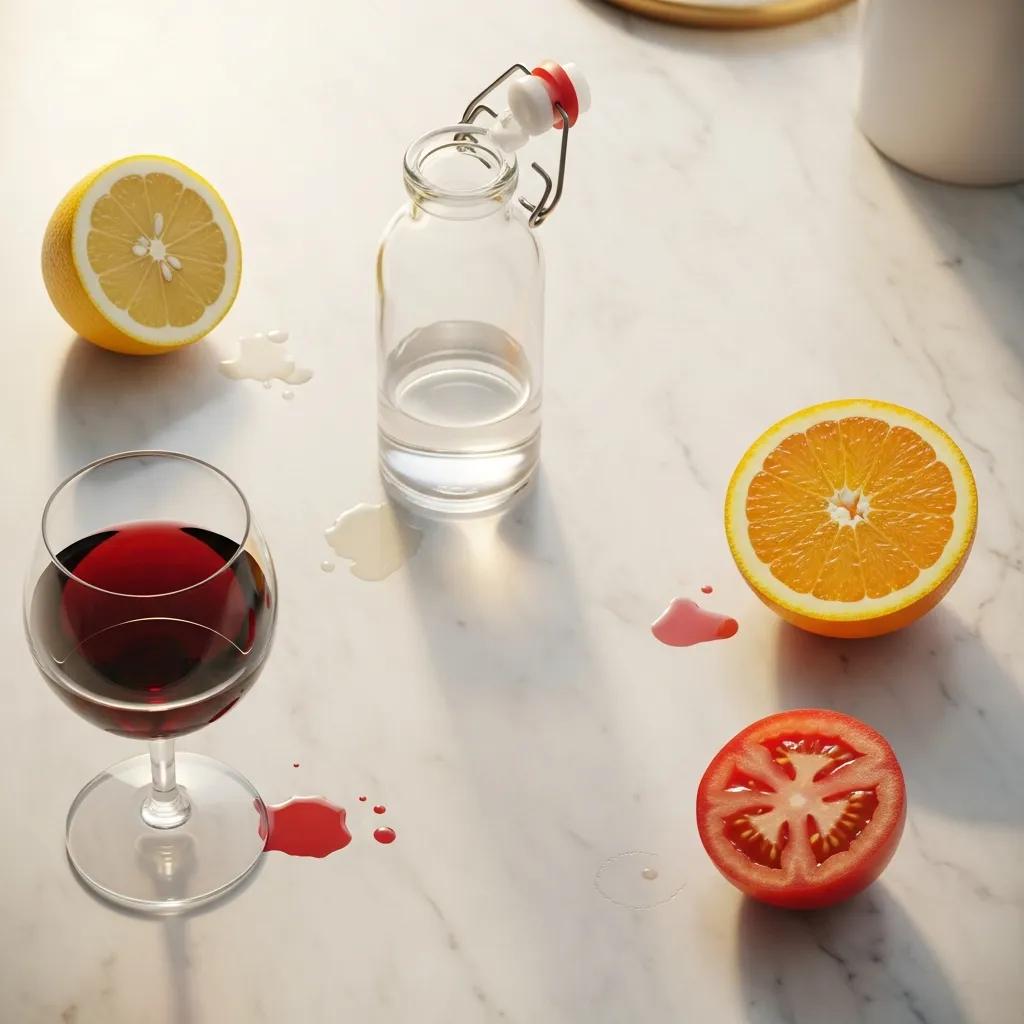
Marble etching occurs when acidic substances come into contact with the surface of the stone, leading to dull spots and surface damage. This phenomenon is particularly concerning for homeowners in Fort Lee, where common household items can cause significant harm. Understanding the causes of etching is essential for prevention.
What Is Acid Etching and Its Effects on Marble Surfaces?
Acid etching refers to the chemical reaction that occurs when acidic substances, such as vinegar or citrus juices, interact with marble surfaces. This reaction can lead to a loss of shine and the formation of dull spots, which detracts from the marble’s natural beauty. The effects of acid etching can be permanent and often require professional restoration to improve the surface.
Research into various methods for protecting marble surfaces from acid damage highlights the effectiveness of certain chemical treatments.
Oxalic Acid Treatments for Marble Acid Protection
analyses show that reacted marble surfaces develop μm-thick calcium or marble, respectively. The presence of such oxalate layers strongly reduces chemical weathering due to acid
Effectiveness of oxalic acid treatments for the protection of marble surfaces, A Burgos-Cara, 2017
Which Common Substances Cause Marble Etching in Fort Lee Homes?
Several common household items can lead to marble etching, including:
- Citrus Fruits: Lemons and limes contain citric acid, which can damage marble surfaces.
- Vinegar: This common cleaning agent is acidic and can cause etching if spilled.
- Wine: The acidity in wine can also lead to etching, especially if not cleaned promptly.
By being aware of these substances, homeowners can take proactive measures to protect their marble surfaces.
How Does permanent etch protection sealing Protect Marble Countertops in New Jersey?
permanent etch protection sealing is a specialized process designed to help protect marble from the damaging effects of acidic substances. This sealing creates a barrier that reduces the risk of etching and preserves the stone’s natural beauty.
Innovative research continues to explore advanced materials and formulations to enhance marble’s resistance to acidic environments.
Hydroxyapatite Coatings for Marble Acid Resistance
been proposed for the protection of marble against acidic rain marble protection. Results indicate that adding small amounts of ethanol to the formulation remarkably increases the acid
Hydroxyapatite coatings for marble protection: Optimization of calcite covering and acid resistance, G Graziani, 2016
What Are the Benefits of Professional etch resistant coatings?
Professional etch resistant coatings offer several advantages:
- Durability: These coatings provide long-lasting protection against etching and staining.
- Invisible Finish: High-quality sealants maintain the natural appearance of the marble while offering protection.
- Food-Safe Properties: Many professional coatings are safe for use on food preparation surfaces, ensuring peace of mind for homeowners.
| Benefit | Description | Impact Level |
|---|---|---|
| Durability | Long-lasting protection against etching | High |
| Invisible Finish | Maintains natural appearance | High |
| Food-Safe Properties | Safe for food preparation | Medium |
The development of protective coatings for stone materials often focuses on creating durable, water-repellent barriers.
Hydrophobic Coatings for Carbonate Stone Protection
considered when developing protective coatings for stone materials. Protective coatings not only Therefore, this study aimed to evaluate the durability of the applied coatings on stone
Chemical Composition of Hydrophobic Coating Solutions and Its Impact on Carbonate Stones Protection and Preservation, J Mirão, 2023
How Does permanent etch protection sealing Differ from Traditional Stone Sealers?
permanent etch protection sealing differs from traditional stone sealers in several key ways:
- Chemical Composition: permanent etch protection sealers are specifically formulated to resist acidic damage, while traditional sealers may not offer the same level of protection against etching.
- Application Process: The application of permanent etch protection sealers often involves a more detailed process to ensure maximum effectiveness.
- Longevity: permanent etch protection sealers typically provide longer-lasting protection against etching compared to standard sealers.
Understanding these differences can help homeowners make informed choices about their marble care.
What Is the Expert permanent etch protection sealing Process by High Line Stone Care?

High Line Stone Care employs a meticulous process for permanent etch protection sealing that ensures optimal protection for your marble surfaces. This process involves several critical steps.
How Is Stone Assessed and Prepared Before Sealing?
Before sealing, each stone surface is thoroughly assessed for existing damage and cleaned to remove any contaminants. This preparation is crucial for ensuring that the sealant adheres properly and provides maximum protection.
What Steps Are Involved in Applying etch resistant coatings?
- Cleaning: The surface is cleaned to remove dirt and oils.
- Application: The sealant is applied evenly across the surface.
- Curing: The sealant is allowed to cure, forming a protective barrier.
This comprehensive approach helps ensure that your marble surfaces are well-protected against future damage.
Where Can You Get Professional Marble Protection Services in Fort Lee and Bergen County?
For residents of Fort Lee and Bergen County, High Line Stone Care offers expert marble protection services, including permanent etch protection sealing. Their team is dedicated to providing high-quality care for all types of natural stone.
Which Residential and Commercial Properties Benefit from permanent etch protection sealing?
Both residential and commercial properties can benefit from permanent etch protection sealing. Common applications include:
- Residential Kitchens: Protecting countertops from spills and stains.
- Commercial Spaces: Ensuring that high-traffic areas maintain their appearance.
- Lobby Areas: Keeping marble floors looking pristine in public spaces.
What Makes High Line Stone Care the Trusted Stone Protection Expert in NYC Area?
High Line Stone Care is recognized for its expertise in stone restoration and protection. With a commitment to quality and customer satisfaction, they have established themselves as a trusted provider in the NYC area. Their team is trained in the latest techniques and uses high-quality products to ensure the best results for your marble surfaces.
How Should You Maintain and Care for etch protection Sealed Marble Surfaces?
Maintaining etch protection sealed marble surfaces is essential for ensuring their longevity and appearance. Proper care can help prevent damage and keep your marble looking its best.
What Are the Best Cleaning Practices for etch protection Protected Marble?
To maintain etch protection sealed marble, consider the following cleaning practices:
- Use pH-Neutral Cleaners: Avoid acidic or abrasive cleaners that can damage the sealant.
- Soft Cloths: Use soft cloths or sponges to clean the surface without scratching.
- Regular Maintenance: Clean spills immediately to prevent staining.
When and How Should permanent etch protection sealing Be Reapplied?
Reapplication of permanent etch protection sealing is generally recommended every 1-3 years, depending on usage and wear. Signs that reapplication is needed include:
- Dull Appearance: If the marble looks dull or has lost its shine.
- Stains: If stains begin to penetrate the surface.
- Water Absorption: If water no longer beads on the surface.
Following these guidelines will help ensure that your marble surfaces remain protected and beautiful.
What Are Common Questions About permanent etch protection sealing in Fort Lee NJ?
Many homeowners have questions about permanent etch protection sealing and its effectiveness. Understanding these common inquiries can help clarify the benefits of this service.
How Long Does etch resistant coating Last on Marble Countertops?
The longevity of etch resistant coatings can vary based on several factors, including the type of sealant used and the level of maintenance. Generally, high-quality coatings can last between 1 to 3 years before needing reapplication.
Is permanent etch protection sealing Safe for Food Preparation Surfaces?
Yes, many etch protection sealants are designed to be food-safe, making them suitable for use on kitchen countertops. It is essential to choose a sealant that explicitly states its safety for food contact to ensure peace of mind while preparing meals.