

permanent etch protection sealing Suffolk County: Expert Marble Protection for Lasting Stone Care
Marble surfaces are a stunning addition to any home, but they are vulnerable to etching caused by acidic substances. This article delves into the importance of permanent etch protection sealing for marble protection, particularly in Suffolk County. Readers will learn about the causes of marble etching, the limitations of traditional sealers, and how professional permanent etch protection sealing can safeguard their stone surfaces. Many homeowners face the challenge of maintaining the beauty of their marble countertops while preventing damage from everyday substances. permanent etch protection sealing offers a reliable solution to this problem, helping to reduce the risk of etching and staining, ensuring that your marble remains pristine for years to come. We will explore the process of permanent etch protection sealing, the types of stones that can benefit, and maintenance tips to extend the life of your sealed surfaces.
What Causes Marble Etching and How Does It Affect Your Stone Surfaces?
Marble etching occurs when acidic substances react with the calcium carbonate in the stone, leading to dull spots and surface damage. This chemical reaction can significantly affect the appearance and longevity of marble surfaces. Understanding the causes of etching is crucial for effective prevention and maintenance.
Which Acidic Substances Commonly Damage Marble in Suffolk County?
Several common household items can cause marble etching, including:
- Citrus Juices: The citric acid in lemons and limes can quickly dull marble surfaces.
- Vinegar: This common cleaning agent is highly acidic and can lead to significant damage.
- Wine: The acidity in wine can etch marble if spills are not cleaned promptly.
These substances can create visible damage, making it essential to take preventive measures.
What Are the Visible Signs and Effects of Etching on Marble?
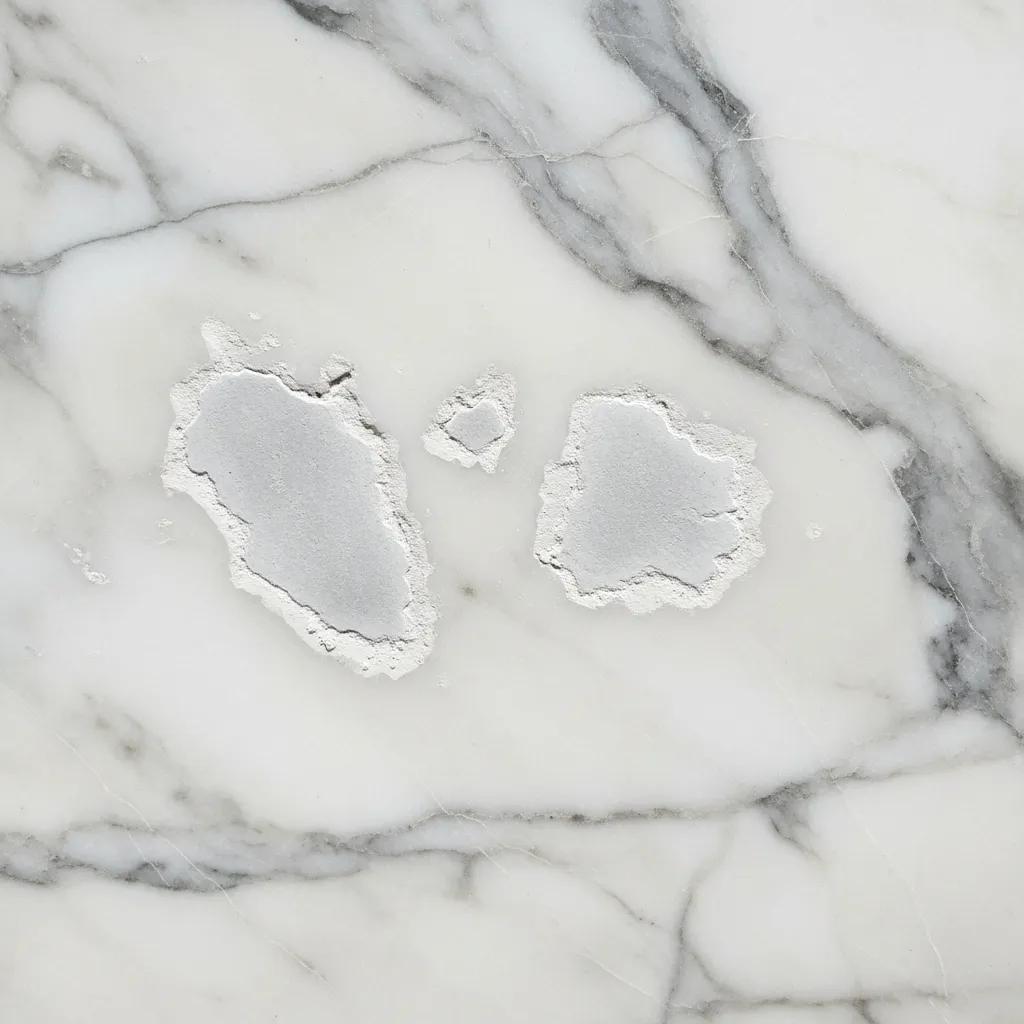
The signs of marble etching can be subtle but are critical to recognize:
- Dull Spots: Areas where the shine has diminished, often appearing as cloudy patches.
- Surface Roughness: Etched areas may feel rough to the touch compared to the surrounding polished surface.
- Color Changes: Discoloration can occur, affecting the overall aesthetic of the marble.
Recognizing these signs early can help homeowners take action before the damage becomes extensive.
Why Traditional Sealers Are Insufficient for Preventing Marble Etching
Traditional sealers often provide a barrier against stains but fall short in protecting against etching. Understanding the limitations of these products is vital for effective marble care.
How Does permanent etch protection sealing Differ from Standard Stone Sealing?
permanent etch protection sealing offers a unique approach compared to standard sealing methods. While traditional sealers create a protective layer that repels water and oil-based stains, permanent etch protection sealers are designed to reduce the stone’s susceptibility to acid damage by penetrating the surface and strengthening it. However, no sealer can make marble completely etch-proof because etching is a chemical reaction with the stone itself. This difference in mechanism helps to minimize etching and maintain the marble’s appearance over time.
What Limitations Do Conventional Sealers Have Against Acid Damage?
Conventional sealers often fail to prevent etching due to their inability to withstand acidic substances. For instance, while they may repel water and oil-based stains, they do not provide adequate protection against the corrosive effects of acids. This limitation can lead to costly repairs and restoration efforts if not addressed.
How Does Professional permanent etch protection sealing Protect Marble Countertops in Suffolk County?
Professional permanent etch protection sealing is a comprehensive solution for marble protection. This process not only helps reduce the risk of etching but also enhances the stone’s longevity and appearance.
What Are the Key Benefits of etch resistant coatings for Marble and Other Stones?
etch resistant coatings offer several advantages:
- Durability: These coatings provide long-lasting protection against staining and help reduce etching.
- Ease of Maintenance: Sealed surfaces are easier to clean and maintain, reducing the need for frequent polishing.
- Enhanced Appearance: permanent etch protection sealing can restore and enhance the natural beauty of marble, making it look refreshed.
These benefits make permanent etch protection sealing a worthwhile investment for homeowners looking to protect their marble surfaces.
Which Advanced Products and Technologies Are Used in permanent etch protection sealing?
The permanent etch protection sealing process utilizes advanced products designed to bond with the stone. These products often include:
- Silane and Siloxane Compounds: These create a hydrophobic barrier that repels water and oils.
- Nano-Technology: This allows for deeper penetration into the stone, providing superior protection.
These technologies help improve resistance to staining and reduce the likelihood of etching damage.
What Is the Step-by-Step Process of permanent etch protection sealing by High Line Stone Care?
Understanding the process of permanent etch protection sealing can help homeowners appreciate the care and expertise involved.
How Is Surface Preparation Conducted Before Applying etch resistant coating?
Before applying the etch resistant coating, thorough surface preparation is essential. This includes:
- Cleaning: The marble surface is cleaned to remove any dirt, oils, or residues.
- Polishing: Any existing etching or dull spots are polished out to ensure a smooth surface.
- Drying: The surface must be completely dry before the application of the sealant.
Proper preparation is crucial for achieving optimal results.
What Does the Application and Curing Process Involve?

The application of the etch resistant coating involves several steps:
- Application: The sealant is applied evenly across the surface using specialized tools.
- Curing: The coating is allowed to cure for a specified period, ensuring it bonds effectively with the stone.
- Final Inspection: After curing, a final inspection is conducted to ensure complete coverage and effectiveness.
This meticulous process helps ensure that the marble is better protected against future etching.
Which Stone Types and Locations Does High Line Stone Care Serve with permanent etch protection sealing?
High Line Stone Care specializes in permanent etch protection sealing for various stone types, ensuring comprehensive protection for all your surfaces.
How Are Marble, Limestone, Travertine, and Onyx Protected from Etching?
Each type of stone requires specific care:
- Marble: permanent etch protection sealing helps reduce susceptibility to acidic damage.
- Limestone: Similar to marble, limestone benefits from enhanced protection against etching.
- Travertine: The porous nature of travertine makes it particularly susceptible to etching, necessitating effective sealing.
- Onyx: This delicate stone requires specialized care to prevent damage.
Understanding the unique needs of each stone type is essential for effective protection.
What Areas in Suffolk County and Long Island Are Covered by Our Services?
High Line Stone Care proudly serves various locations in Suffolk County and Long Island, including:
- Huntington
- Smithtown
- Islip
- Babylon
Our local expertise ensures that residents receive the best possible service for their stone care needs.
How Can You Maintain and Extend the Life of Your etch protection Protected Marble Surfaces?
Maintaining your etch protection protected marble surfaces is crucial for long-term beauty and durability.
What Are the Best Practices for Cleaning and Maintaining Sealed Marble?
To keep your marble looking its best, follow these best practices:
- Use pH-Neutral Cleaners: Avoid acidic or abrasive cleaners that can damage the seal.
- Regular Dusting: Dust surfaces regularly to prevent dirt buildup.
- Immediate Spill Cleanup: Clean spills promptly to prevent staining or etching.
These practices will help maintain the integrity of your sealed marble surfaces.
How Long Does permanent etch protection sealing Last and When Should It Be Reapplied?
The longevity of permanent etch protection sealing can vary based on usage and maintenance. Generally, the seal can last between 1 to 3 years, depending on the product used and the level of wear. Signs that reapplication is needed include:
- Dullness: A noticeable loss of shine on the surface.
- Staining: If stains begin to penetrate the surface, it may indicate that the seal is wearing off.
- Visible Damage: Any signs of etching or damage should prompt a re-evaluation of the seal.
Regular inspections can help determine the right time for reapplication, ensuring continued protection.
| Stone Type | Protection Method | Benefits |
|---|---|---|
| Marble | permanent etch protection sealing | Helps reduce etching, enhances shine |
| Limestone | permanent etch protection sealing | Protects against acid damage |
| Travertine | permanent etch protection sealing | Reduces porosity, prevents stains |
| Onyx | permanent etch protection sealing | Maintains delicate appearance |