
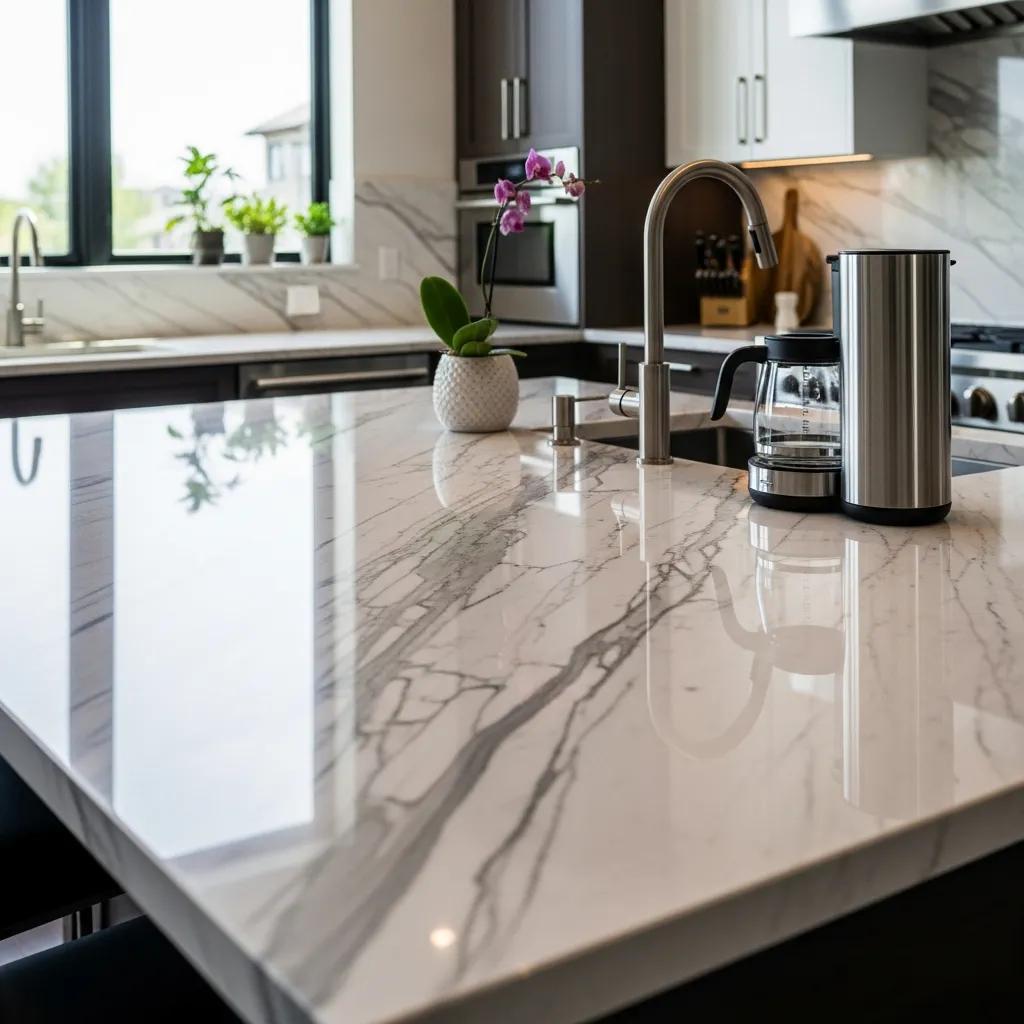
Anti-Etch Sealing NYC: Comprehensive Marble Protection Services for Lasting Stone Care
Marble surfaces are a stunning addition to any home, but they are vulnerable to etching from acidic substances. This article delves into the importance of anti-etch sealing in New York City, providing insights into how it protects marble and other natural stones. Readers will learn about the causes of marble etching, the benefits of sealing, and the process involved in applying protective coatings. With the right knowledge, homeowners can maintain the beauty and durability of their marble surfaces, ensuring they remain a focal point in their homes. We will explore the various aspects of anti-etch sealing, including its benefits, the sealing process, and how to obtain a free estimate for these essential services.
What Causes Marble Etching and How Can It Be Prevented?
Marble etching occurs when acidic substances react with the calcium carbonate in the stone, leading to dull spots and surface damage. Understanding the causes of etching is crucial for prevention and maintenance.
Which Acidic Substances Damage Marble Surfaces?
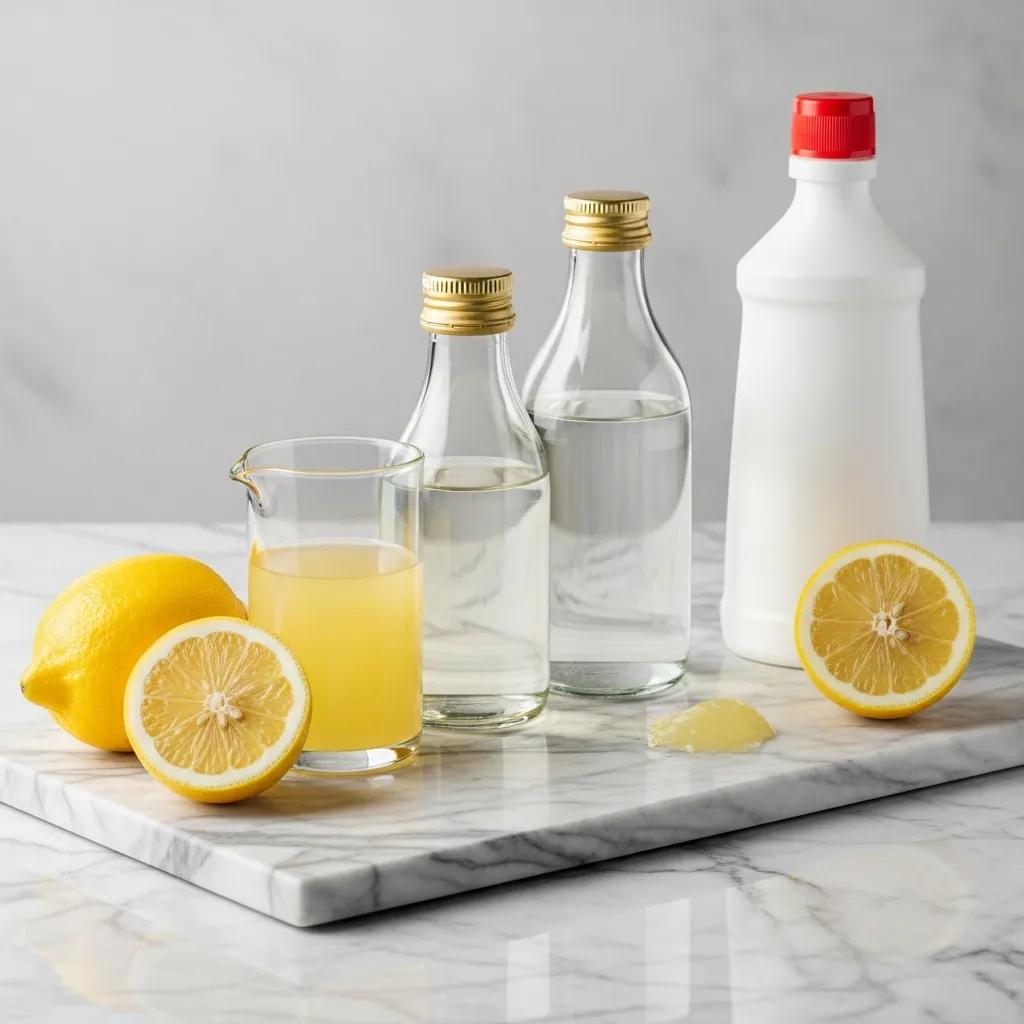
Common household items such as lemon juice, vinegar, and certain cleaning products can cause significant damage to marble surfaces. These substances have low pH levels, which can react with the marble, leading to etching. To protect your marble, it is essential to use pH-neutral cleaners and avoid direct contact with acidic substances.
How Does Etching Affect the Appearance and Durability of Marble?
Etching can severely impact the visual appeal of marble, creating unsightly dull spots that detract from its natural beauty. Over time, these imperfections can make the surface more vulnerable to stains and further damage. Regular maintenance and protective measures are vital to preserving the integrity of marble surfaces.
Various scientific studies have investigated different chemical treatments, such as oxalic acid, for protecting marble surfaces from damage.
Oxalic Acid Treatments for Marble Surface Protection
on two calcitic and dolomitic Spanish marbles from Macael area has been studied as a coatings. Morphological and compositional analyses show that reacted marble surfaces develop
Effectiveness of oxalic acid treatments for the protection of marble surfaces, A Burgos-Cara, 2017
What Are the Benefits of Anti-Etch Sealing for Marble Countertops in NYC?
Anti-etch sealing provides numerous advantages for marble countertops, making it an essential service for homeowners in NYC.
- Stain Resistance: The sealant creates a barrier that helps prevent acidic substances from penetrating the stone, significantly reducing the risk of stains.
- Ease of Cleaning: Sealed surfaces are easier to clean, as spills can be wiped away without fear of damage.
- Aesthetic Preservation: Anti-etch sealing helps maintain the natural luster of marble, ensuring it remains visually appealing over time.
High Line Stone Care specializes in providing anti-etch sealing services, ensuring that your marble surfaces are protected and maintained to the highest standards.
How Does Anti-Etch Sealing Protect Against Stains and Surface Damage?
The anti-etch sealant works by forming a protective layer on the marble surface, which repels water and oils. This barrier helps prevent acidic substances from making contact with the stone, thereby reducing the likelihood of etching and staining. Homeowners can enjoy their marble countertops without the constant worry of damage from everyday spills.
Research continues to explore various types of coatings designed to enhance marble’s resistance to acidic substances.
Marble Acid Protection: Coatings for Etch Resistance
coatings are being developed to protect marble monuments and sculpture from weathering. In this work, the acid resistance calcium tartrate coatings on Carrara marble were compared.
Acid‐resistant coatings on marble, S Naidu, 2016
Why Is Long-Lasting Durability and Reduced Maintenance Important?
Investing in anti-etch sealing not only enhances the appearance of marble but also contributes to long-term durability. A well-sealed surface requires less frequent maintenance, saving homeowners time and money in the long run. The financial benefits of reduced maintenance and the preservation of the stone’s beauty make anti-etch sealing a wise choice for any homeowner.
The broader field of stone protection emphasizes the importance of selecting appropriate treatments based on performance requirements and long-term durability.
Protective Treatments for Stone Heritage: Coatings & Durability
This chapter provides a background on stone protection, taking into consideration the performance requirements, working properties, and the criteria for the selection of the most appropriate materials for specific case-studies. The main classes of protective treatments (water repellents, antigraffiti coatings, inorganic treatments, limewashes, salts inhibitors, etc.) are explored, along with information about their properties, performances, and durability once applied to naturally weathered stone surfaces.
Current and future trends in protective treatments for stone heritage, 2022
How Is the Anti-Etch Sealing Process Performed by High Line Stone Care?
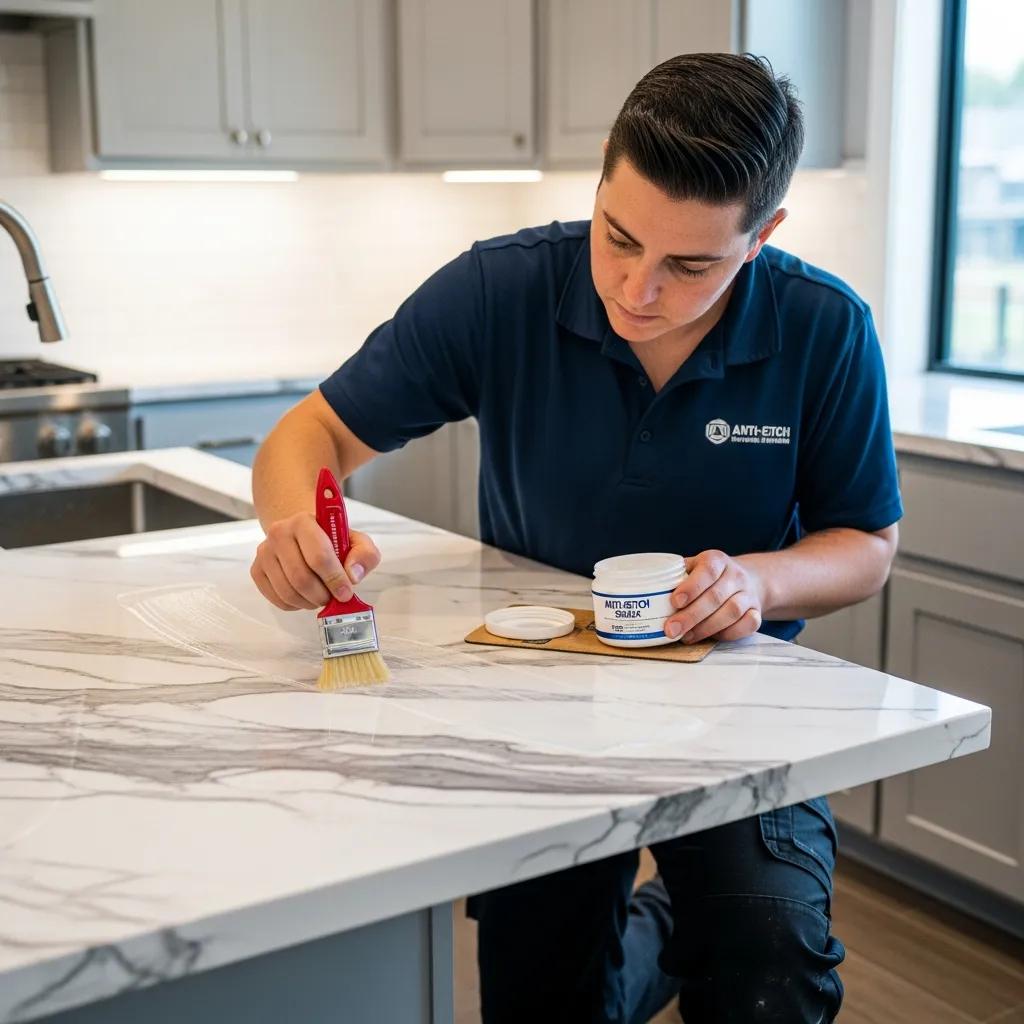
The anti-etch sealing process involves several critical steps to ensure optimal protection for your marble surfaces.
What Steps Are Involved in Surface Preparation and Cleaning?
Before applying the sealant, the marble surface must be thoroughly cleaned and prepared. This involves removing any existing stains, dirt, or residues that could interfere with the sealant’s adhesion. High Line Stone Care uses specialized cleaning methods to ensure the surface is pristine before sealing.
How Is the Protective Coating Applied and Cured?
Once the surface is prepared, the protective coating is applied evenly across the marble. The curing process is essential, as it allows the sealant to bond effectively with the stone. Homeowners can expect the sealing process to be completed efficiently, with minimal disruption to their daily lives.
Which Stone Types and NYC Locations Are Covered by Anti-Etch Sealing Services?
Anti-etch sealing is not limited to marble; it can also benefit various other natural stones.
What Natural Stones Benefit from Anti-Etch Treatment Besides Marble?
In addition to marble, stones such as limestone and travertine can also benefit from anti-etch sealing. These materials are similarly susceptible to etching and staining, making protective sealing an important service for their maintenance.
Which NYC Boroughs and Surrounding Areas Does High Line Stone Care Serve?
High Line Stone Care proudly serves all five boroughs of New York City, including Manhattan, Brooklyn, Queens, The Bronx, and Staten Island, as well as Nassau County and Westchester County. This extensive service area ensures that homeowners across the region can access high-quality stone care services.
What Are the Costs and How Can You Get a Free Estimate for Anti-Etch Sealing in NYC?
Understanding the costs associated with anti-etch sealing is crucial for homeowners considering this service.
Which Factors Influence the Cost of Anti-Etch Sealing Services?
Several factors can influence the cost of anti-etch sealing, including the size of the area to be treated, the type of stone, and the condition of the surface. Homeowners should consider these variables when budgeting for sealing services.
How Can You Schedule a Free In-Home Estimate with High Line Stone Care?
High Line Stone Care offers free in-home estimates for anti-etch sealing services. Homeowners can easily schedule an appointment by contacting the company directly. During the estimate, a professional will assess the stone’s condition and provide a detailed quote for the sealing process.
What Are Common Questions About Anti-Etch Marble Protection in NYC?
Homeowners often have questions regarding the effectiveness and longevity of anti-etch sealing.
How Long Does Anti-Etch Protection Typically Last?
The longevity of anti-etch protection can vary based on usage and maintenance, but typically, a well-applied sealant can last from 1 to 3 years. Regular cleaning and care can extend the life of the seal.
Can Existing Marble Etching Be Repaired or Only Prevented?
While anti-etch sealing primarily focuses on prevention, existing etching can often be repaired through professional restoration services. High Line Stone Care can assess the damage and recommend appropriate restoration techniques to restore the marble’s original beauty.