
permanent etch protection sealing Bayside Queens – Expert Marble Protection for Lasting Stone Care
Marble surfaces are a stunning addition to any home, but they are susceptible to etching and damage from everyday substances. This article will explore the importance of permanent etch protection sealing for marble protection, particularly in Bayside Queens. Readers will learn about the causes of marble etching, the benefits of professional sealing, and how to maintain their marble surfaces effectively. By understanding these aspects, homeowners can ensure their marble remains beautiful and durable for years to come.
Marble etching occurs when acidic substances come into contact with the stone, leading to dull spots and damage. This article will cover the causes of etching, the professional sealing process, and the best practices for maintaining sealed marble. Additionally, we will highlight why High Line Stone Care is the ideal choice for marble protection in Bayside Queens.
What Causes Marble Etching and How Does It Affect Your Stone Surfaces?
Marble etching is a chemical reaction that occurs when acidic substances interact with the calcium carbonate in marble. This reaction leads to the dissolution of the surface, resulting in dull spots and a loss of shine. Common household items, such as vinegar, citrus juices, and certain cleaning products, can cause significant damage to marble surfaces.
Research further illustrates the significant impact of acidic compounds, such as sulphuric acid, on the structural integrity of carbonate stones like marble.
Sulphuric Acid’s Impact on Carbonate Stone Corrosion
In this study, the effect of sulphuric acid, the major constituent of acid rain, on carbonate stones has been investigated. For this purpose, samples from historical buildings of Sivas city have been collected. The minerological composition of the samples has been analysed by X-RD analysis and it was found that the major constituent of these stones was calcite. Loss of material and surface corrosion have been determined for these samples by washing the samples with sulphuric acid to similate the effect of acid rain. Material losses of the samples was 1–4% in the case of sulphuric acid washing. After 24 hr corrosion exposure the crystal boundaries were corroded, the pores were deepened and widened.
Laboratory experiments on the investigation of the effects of sulphuric acid on the deterioration of carbonate stones and surface corrosion, L Tecer, 1999
How Do Acidic Substances Damage Marble in Bayside Queens Homes?
Acidic substances can severely damage marble surfaces by reacting with the stone’s composition. For instance, common items like lemon juice, wine, and even some cleaning agents can lead to etching. When these substances are spilled on marble, they can create dull spots that are often mistaken for stains. The damage is not only aesthetic; it can also compromise the integrity of the stone over time.
What Are the Common Signs of Etching and Staining on Marble?
Identifying etching and staining on marble surfaces is crucial for timely intervention. Common signs of etching include dull spots, a lack of shine, and visible marks where acidic substances have been in contact with the stone. In contrast, stains may appear as dark spots or discoloration that penetrate the surface. Understanding these differences helps homeowners take appropriate action to protect their marble.
How Does Professional permanent etch protection sealing Protect Marble and Natural Stone?
Professional permanent etch protection sealing is a vital process that protects marble and other natural stones from damage caused by acidic substances. This sealing creates a barrier that reduces the stone’s porosity, thereby limiting liquid penetration and reducing the risk of staining. However, no sealant can completely prevent etching because etching is a surface chemical reaction, not just liquid absorption.
What Is permanent etch protection sealing and How Does It Work?

permanent etch protection sealing involves applying a specialized sealant to the surface of the marble. This sealant helps repel liquids and reduces the stone’s susceptibility to staining. While it can help minimize the effects of acidic substances, it does not make marble completely etch-proof. The sealing process typically includes thorough cleaning, application of the sealant, and buffing to ensure an even finish. This method not only protects the marble but also enhances its natural beauty.
Which Premium Products and Techniques Are Used for Marble Protection?
High-quality sealants are essential for effective marble protection. These products are designed to provide long-lasting results and are often made from advanced formulations that offer superior resistance to staining. Techniques such as dual-action sealing, which combines both penetrating and topical sealants, can further enhance protection. Professional services like those offered by High Line Stone Care utilize these premium products to ensure optimal results.
Why Choose High Line Stone Care for Marble etch protection treatment in Bayside Queens?
Choosing the right service provider for marble protection is crucial for achieving the best results. High Line Stone Care stands out as a trusted expert in the field, offering comprehensive stone care services tailored to the needs of Bayside Queens residents.
What Experience and Guarantees Does High Line Stone Care Offer?
High Line Stone Care has extensive experience in stone restoration and protection, ensuring that clients receive top-notch service. The company offers guarantees on their work, providing peace of mind to homeowners. Their commitment to quality and customer satisfaction sets them apart in the industry.
How Does Our Local Expertise Benefit Bayside Queens Property Owners?
Local expertise is invaluable when it comes to understanding the specific needs of Bayside Queens property owners. High Line Stone Care’s knowledge of local stone types and environmental factors allows them to provide tailored solutions that effectively address the unique challenges faced by homeowners in the area.
Which Stone Types Benefit from permanent etch protection sealing in Bayside Queens?
While marble is particularly susceptible to etching, other natural stones can also benefit from sealing to protect against staining and damage. Understanding the vulnerabilities of different stone types is essential for effective protection.
How Is Marble Different from Limestone, Travertine, and Granite in Etch Susceptibility?
Marble is more prone to etching compared to granite due to its higher calcium carbonate content. Limestone and travertine, which also contain calcium carbonate, are similarly susceptible to etching. Granite, on the other hand, is much more resistant to etching because it is composed mainly of silicate minerals. Each stone type requires specific care and protection strategies to maintain its appearance.
What Are the Best Protection Practices for Various Natural Stones?
- Regular Cleaning: Use pH-neutral cleaners specifically designed for stone surfaces.
- Immediate Spill Response: Wipe up spills promptly to prevent damage.
- Professional Sealing: Schedule regular sealing services to maintain protective barriers.
Implementing these practices can significantly extend the life of natural stone surfaces.
What Is the Professional permanent etch protection sealing Process from Assessment to Lasting Shine?
The professional permanent etch protection sealing process involves several key steps to ensure effective protection and a beautiful finish.
What Steps Are Involved in Our Expert Marble Sealing Service?
- Assessment: A thorough evaluation of the marble surface to identify any existing damage.
- Cleaning: Deep cleaning to remove dirt, stains, and previous sealants.
- Sealing: Application of high-quality sealant to create a protective barrier.
- Buffing: Final buffing to enhance shine and ensure an even application.
This comprehensive approach guarantees that the marble is well-protected and visually appealing.
How Do We Ensure Long-Lasting Acid Protection for Stone Countertops?
To ensure long-lasting protection, High Line Stone Care uses premium sealants that are specifically formulated to resist staining and liquid penetration. However, because etching is a chemical reaction on the surface, no sealant can fully prevent it. Regular maintenance and reapplication of the sealant every 1 to 3 years are recommended to maintain optimal protection. This proactive approach helps prevent staining and keeps marble surfaces looking their best.
How Can You Maintain and Extend the Life of Your etch protection Sealed Marble?
Proper maintenance is essential for extending the life of sealed marble surfaces. Homeowners can take several steps to ensure their marble remains in excellent condition.
What Cleaning Products and Routines Are Recommended for Sealed Marble?
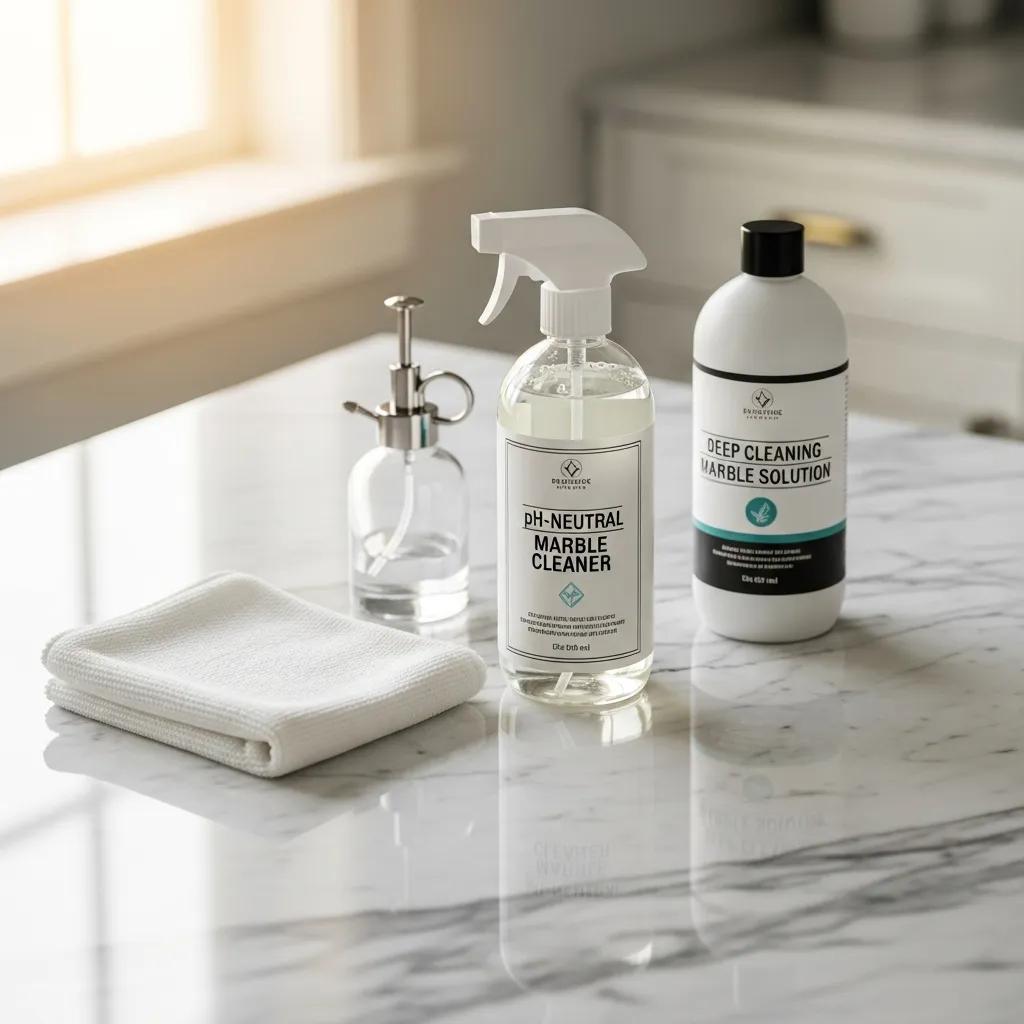
- Daily Wiping: Use a soft cloth to wipe down surfaces.
- Weekly Cleaning: Clean with a pH-neutral stone cleaner to remove buildup.
- Monthly Deep Cleaning: Perform a thorough cleaning with a specialized stone cleaner.
These practices help maintain the seal and prevent damage.
How Long Does permanent etch protection sealing Last and When Should It Be Reapplied?
The longevity of sealing can vary based on usage and environmental factors, but typically, it lasts between 1 to 3 years. Homeowners should monitor their marble surfaces for signs of wear and consider reapplying the sealant when they notice a decrease in shine or increased susceptibility to stains. Regular assessments by professionals can also help determine the best timing for reapplication.
| Product Type | Application Method | Expected Longevity |
|---|---|---|
| Sealant | Professional application | 1-3 years |
| pH-Neutral Cleaner | Regular use | Ongoing |
| Deep Cleaning Solution | Monthly use | Ongoing |
This table summarizes the different products and their expected longevity, helping homeowners make informed decisions about their marble care.
By understanding the importance of sealing and implementing proper maintenance practices, homeowners in Bayside Queens can protect their marble surfaces effectively. High Line Stone Care offers expert services to ensure that your marble remains beautiful and durable for years to come.