

Premium permanent etch protection sealing Services in Chelsea, Manhattan: Protecting and Preserving Luxury Stone Surfaces
In the heart of Chelsea, Manhattan, premium permanent etch protection sealing services are essential for maintaining the beauty and integrity of luxury stone surfaces. This article delves into the significance of permanent etch protection sealing, particularly for marble and other natural stones, and how it protects against damage from acidic substances. Readers will learn about the mechanisms of permanent etch protection sealing, the types of stones that benefit most, and the advantages of choosing a professional service. With the increasing prevalence of acidic cleaners and spills in both residential and commercial settings, understanding the importance of proper stone care is crucial. We will explore the process of permanent etch protection sealing, its benefits for various clients, and provide insights into costs and maintenance tips.
What Is permanent etch protection sealing and How Does It Protect Marble and Natural Stone?
permanent etch protection sealing is a specialized treatment designed to protect marble and other natural stone surfaces from etching caused by acidic substances. This sealing process creates a protective barrier that reduces the stone’s susceptibility to acids, thereby helping to preserve its appearance and structural integrity. The primary benefit of permanent etch protection sealing is its ability to minimize unsightly marks and damage that can occur from everyday spills, such as lemon juice or vinegar.
Understanding how permanent etch protection sealing works is essential for homeowners and business owners alike. By applying a high-quality sealant, the surface becomes more resistant to acid damage, helping to ensure that the stone remains beautiful and functional for years to come. This is particularly important in environments where natural stone is frequently exposed to acidic substances, such as kitchens and bathrooms.
The continuous evolution of stone preservation techniques, particularly with innovative nanomaterials, offers enhanced protection and longevity for valuable surfaces.
Innovative Nanomaterials for Hydrophobic Stone Preservation
Most products commonly employed in the restoration and conservation of cultural heritage stone have not been specifically developed to preserve such elements. In addition, they are plagued by limited performance and structural drawbacks such as low adhesion, poor penetration, and cracking. Another disadvantage is the requirement for most products to be dissolved in volatile organic compounds (VOCs), which produce environmental and human health risks in their use. An innovative sol–gel route for preserving cultural heritage stonework has been developed and is discussed herein. Specifically, a surfactant-assisted sol–gel synthesis produces, in situ on the stonework, crack-free nanomaterials to be used as long-term consolidants. Additionally, hydrophobic, water-repellent, self-cleaning, and biocidal properties can be incorporated into the product by innovative chemical modifications of the proposed synthesis route.
Preserving cultural heritage stone: Innovative consolidant, superhydrophobic, self-cleaning, and biocidal products, R Zarzuela, 2018
How Does permanent etch protection sealing Prevent Acid Damage and Etching on Stone?
permanent etch protection sealing works by forming a protective layer on the surface of the stone, which acts as a barrier against acidic substances. When acids come into contact with the stone, they can cause etching, which manifests as dull spots or discoloration. The sealant reduces the stone’s porosity and limits acid penetration, effectively helping to prevent damage before it occurs.
The concept of using specialized agents to protect stone surfaces has a long history in conservation efforts.
Silicic Acid Esters: Effective Stone Protection Agents
It was in these publications that silicic acid esters were first mentioned as effective agents for stone conservation protection.
Conservation and restoration of natural stone in europe, 1985
For example, marble surfaces are particularly vulnerable to etching from common household items like citrus juices and cleaning products. By utilizing permanent etch protection sealing, homeowners can maintain the pristine condition of their marble countertops and floors, reducing the likelihood of costly repairs or replacements.
Which Stone Types Benefit Most from etch protection in Chelsea?
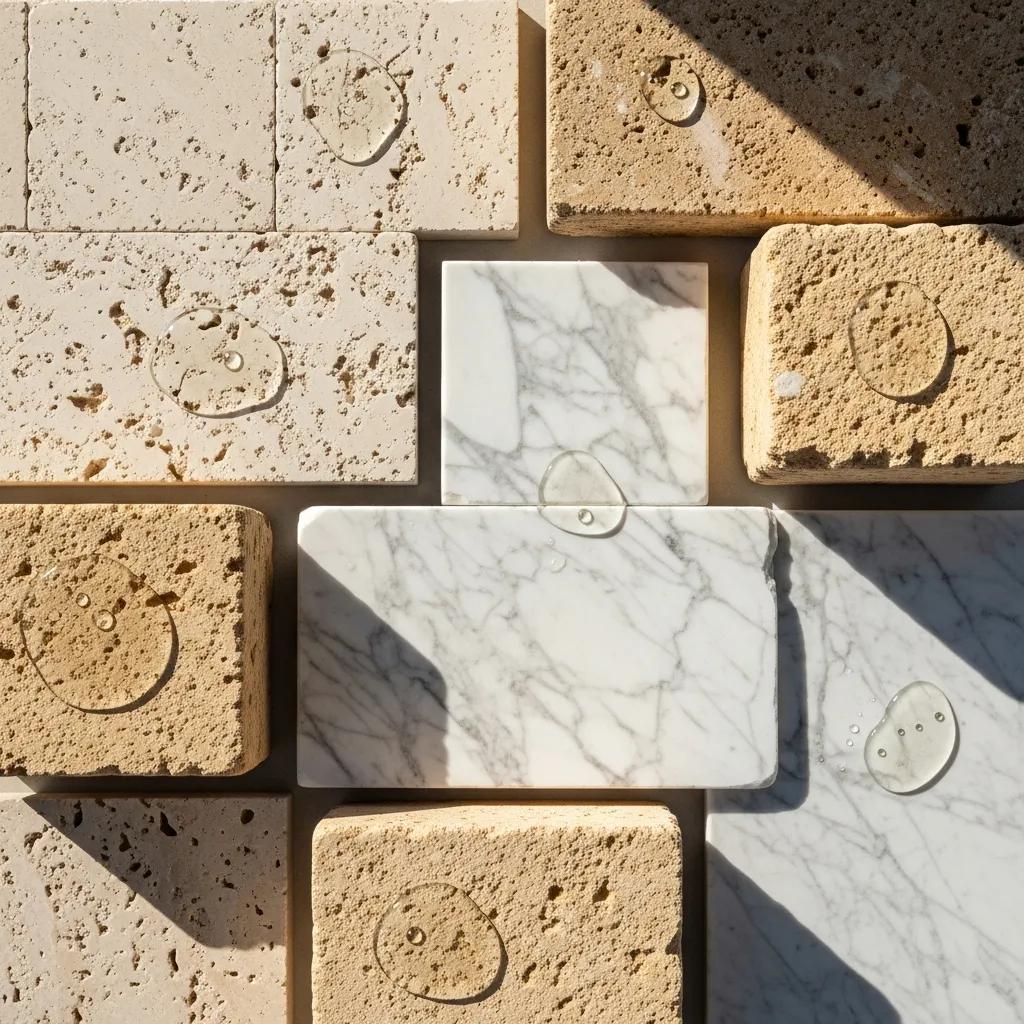
Several types of natural stone benefit significantly from etch protection, particularly in areas like Chelsea where luxury stone surfaces are prevalent. The most common stones that require this protection include:
- Marble: Highly susceptible to acid damage, making permanent etch protection sealing important for maintaining its luster.
- Limestone: Similar to marble, limestone is porous and can be damaged by acidic substances.
- Travertine: This stone can also suffer from etching, particularly in high-traffic areas.
By understanding the specific vulnerabilities of these stones, property owners can make informed decisions about the necessary protective measures to take.
Why Choose High Line Stone Care for permanent etch protection sealing in Chelsea, Manhattan?
Choosing the right service provider for permanent etch protection sealing is crucial for ensuring the longevity and beauty of your stone surfaces. High Line Stone Care stands out in Chelsea for several reasons, including their expertise and commitment to quality.
What Are the Unique Advantages of Our Premium-Quality etch protection Products?
High Line Stone Care utilizes premium-quality etch protection products that are specifically formulated to provide long-lasting protection against acid damage. These products are designed to penetrate the stone and create a protective barrier that is resistant to wear and tear. Unlike standard sealants, our premium products offer enhanced durability and effectiveness, helping to ensure that your stone surfaces remain protected for years.
Modern advancements in material science continue to push the boundaries of stone preservation, offering even more sophisticated protective solutions.
This research highlights the development of advanced sol-gel nanomaterials for superior stone protection.
Innovative Sol-Gel Nanomaterials for Water-Repellent Stone Protection
An innovative sol–gel route for preserving cultural heritage stonework has been developed and is discussed herein. Specifically, a surfactant-assisted sol–gel synthesis produces, in situ on the stonework, crack-free nanomaterials to be used as long-term consolidants. Additionally, hydrophobic, water-repellent, self-cleaning, and biocidal properties can be incorporated into the product by innovative chemical modifications of the proposed synthesis route.
Preserving cultural heritage stone: Innovative consolidant, superhydrophobic, self-cleaning, and biocidal products, R Zarzuela, 2018
Sol-Gel Nanomaterials for Stone Preservation: Hydrophobic & Self-Cleaning
An innovative sol–gel route for preserving cultural heritage stonework has been developed and is discussed herein. Specifically, a surfactant-assisted sol–gel synthesis produces, in situ on the stonework, crack-free nanomaterials to be used as long-term consolidants. Additionally, hydrophobic, water-repellent, self-cleaning, and biocidal properties can be incorporated into the product by innovative chemical modifications of the proposed synthesis route.
Preserving cultural heritage stone: Innovative consolidant, superhydrophobic, self-cleaning, and biocidal products, R Zarzuela, 2018
How Does Our 10-Year Guarantee Ensure Long-Lasting Stone Protection?
Our 10-year guarantee reflects our confidence in the quality of our permanent etch protection sealing services. This guarantee provides clients with peace of mind, knowing that their investment is protected. Should any issues arise within the guarantee period, we are committed to addressing them promptly, ensuring that your stone surfaces continue to look their best.
What Is the Process for Professional permanent etch protection sealing Services in Manhattan?

The process of professional permanent etch protection sealing involves several critical steps to ensure optimal results. Understanding this process can help clients appreciate the value of professional services.
How Do We Prepare and Restore Etched Marble Before Sealing?
Before applying the etch protection sealant, it is essential to prepare the stone surface properly. This preparation may involve cleaning the stone to remove any existing stains or residues and restoring any etched areas to their original condition. Techniques such as honing or polishing may be employed to achieve a smooth surface, ensuring that the sealant adheres effectively.
What Are the Steps Involved in Applying etch resistant coatings?
- Surface Cleaning: Thoroughly clean the stone to remove dirt and oils.
- Etch Restoration: Restore any damaged areas to ensure a uniform surface.
- Sealant Application: Apply the etch protection sealant evenly across the surface.
- Curing Time: Allow the sealant to cure as per manufacturer instructions for maximum effectiveness.
This meticulous process helps guarantee that the stone is adequately protected against future damage.
How Does permanent etch protection sealing Benefit Residential and Commercial Clients in NYC?
Both residential and commercial clients in NYC can reap significant benefits from permanent etch protection sealing services. Understanding these advantages can help property owners make informed decisions about their stone care needs.
What Are the Advantages for Luxury Homes and Residential Marble Countertops?
For luxury homes, maintaining the aesthetic appeal of marble countertops is paramount. permanent etch protection sealing not only preserves the beauty of these surfaces but also enhances their durability, making them more resistant to everyday wear and tear. Homeowners can enjoy their stone surfaces without the constant worry of damage from acidic spills.
How Does Commercial Stone Protection Enhance Durability in Hotels and Restaurants?
In commercial settings, such as hotels and restaurants, the durability of stone surfaces is crucial for maintaining a professional appearance. permanent etch protection sealing helps protect these surfaces from the high volume of traffic and potential spills, ensuring that they remain attractive and functional. This protection can lead to long-term cost savings by reducing the need for frequent repairs or replacements.
These advanced protective measures often incorporate cutting-edge materials, such as polymer and nanoparticle coatings, to deliver superior performance and durability.
Further research emphasizes the role of polymer and nanoparticle coatings in enhancing stone protection.
Hydrophobic Polymer & Nanoparticle Coatings for Stone Protection
Inorganic nanoparticles and polymeric materials are introduced for this aim. Acrylics, silanes and organic–inorganic nanocomposites play an important role in the preparation of hydrophobic coating compositions for application on the stone surface. In addition, the effect of fluorinated functional groups on the coating composition and the influence of hydrophobic properties of additives on the stability and weathering resistance under harsh conditions are discussed. It is shown that the use of inorganic nanoparticles in a coating composition is a useful way to improve consolidation, self-cleaning and anti-microorganism properties in the conservation and protection treatments.
Application of polymer coatings and nanoparticles in consolidation and hydrophobic treatment of stone monuments, A Ershad-Langroudi, 2019
Polymer & Nanoparticle Coatings for Hydrophobic Stone Protection
Acrylics, silanes and organic–inorganic nanocomposites play an important role in the preparation of hydrophobic coating compositions for application on the stone surface. In addition, the effect of fluorinated functional groups on the coating composition and the influence of hydrophobic properties of additives on the stability and weathering resistance under harsh conditions are discussed. It is shown that the use of inorganic nanoparticles in a coating composition is a useful way to improve consolidation, self-cleaning and anti-microorganism properties in the conservation and protection treatments.
Application of polymer coatings and nanoparticles in consolidation and hydrophobic treatment of stone monuments, A Ershad-Langroudi, 2019
What Are the Costs and Maintenance Tips for permanent etch protection sealing in Chelsea?
Understanding the costs associated with permanent etch protection sealing and how to maintain treated surfaces is essential for property owners.
How Much Does Premium permanent etch protection sealing Cost in Manhattan?
The cost of premium permanent etch protection sealing services in Manhattan can vary based on several factors, including the size of the area to be treated and the specific type of stone. On average, clients can expect to invest in high-quality sealing services that provide long-lasting protection. Typical costs for residential permanent etch protection sealing range from approximately $500 to $1,000, while commercial projects may range from $1,000 to $2,500, depending on scope and complexity.
What Are the Best Practices to Maintain etch protection Protected Stone Surfaces?
To ensure the longevity of etch protection protected surfaces, property owners should follow these maintenance tips:
- Regular Cleaning: Use pH-neutral cleaners to avoid damaging the sealant.
- Immediate Spill Cleanup: Wipe up spills promptly to prevent potential damage.
- Periodic Resealing: Depending on usage and product specifications, consider resealing every 2-3 years to maintain protection.
By adhering to these practices, clients can maximize the benefits of their permanent etch protection sealing investment.
Looking ahead, the field of stone protection continues to evolve, with ongoing research into innovative treatments that offer even more comprehensive benefits.
Emerging research, for instance, explores the use of superhydrophobic TiO2 nanocoatings for enhanced stone protection.
Superhydrophobic TiO2 Nanocoatings for Stone Anti-Corrosion
The results showed that the superhydrophobic TiO2 nanoparticles can effectively improve the anti-corrosion and self-cleaning effect of TiO2 on the substrate. Furthermore, the superhydrophobic TiO2 did not change the color of the stone building surface, which is crucial for aesthetic preservation.
Synthesis of TiO2 based superhydrophobic coatings for efficient anti-corrosion and self-cleaning on stone building surface, 2022
Stone Protection: Trends in Water Repellent & Nanostructured Treatments
This chapter provides a background on stone protection, taking into consideration the performance requirements, working properties, and the criteria for the selection of the most appropriate materials for specific case-studies. The main classes of protective treatments (water repellents, antigraffiti coatings, inorganic treatments, limewashes, salts inhibitors, etc.) are explored, along with information about their properties, performances, and durability once applied to naturally weathered stone surfaces. Recent trends in the development of innovative and nanostructured formulations with antibacterial, depolluting, and antifouling properties for stone protection are also examined, providing recommendations for further studies.
Current and future trends in protective treatments for stone heritage, 2022
Where Can You See Examples and Testimonials of Our permanent etch protection sealing Work in Chelsea?
Seeing real-life examples of permanent etch protection sealing work can provide potential clients with confidence in the services offered.
What Do Our Residential Clients Say About Marble Countertop Protection?
Residential clients have reported significant satisfaction with the permanent etch protection sealing services provided by High Line Stone Care. Many have noted the enhanced appearance of their marble countertops and the peace of mind that comes with knowing their surfaces are protected.
Which Commercial Projects Showcase Our Stone etch protectioning Expertise?
High Line Stone Care has successfully completed numerous commercial projects, showcasing our expertise in permanent etch protection sealing. Feedback from commercial clients highlights the durability and aesthetic appeal of their stone surfaces post-treatment, reinforcing the value of professional sealing services.
| Service Type | Cost Estimate | Maintenance Tips |
|---|---|---|
| Residential permanent etch protection sealing | $500 – $1,000 | Clean with pH-neutral products, reseal every 2-3 years |
| Commercial permanent etch protection sealing | $1,000 – $2,500 | Immediate spill cleanup, regular inspections |
| Restoration Services | $300 – $800 | Professional restoration before sealing, regular maintenance |
This table illustrates the cost estimates and maintenance tips for various permanent etch protection sealing services, helping clients understand their options and responsibilities.
In conclusion, premium permanent etch protection sealing services are vital for protecting and preserving luxury stone surfaces in Chelsea, Manhattan. By understanding the benefits, processes, and costs associated with these services, property owners can make informed decisions that enhance the longevity and beauty of their stone investments.