
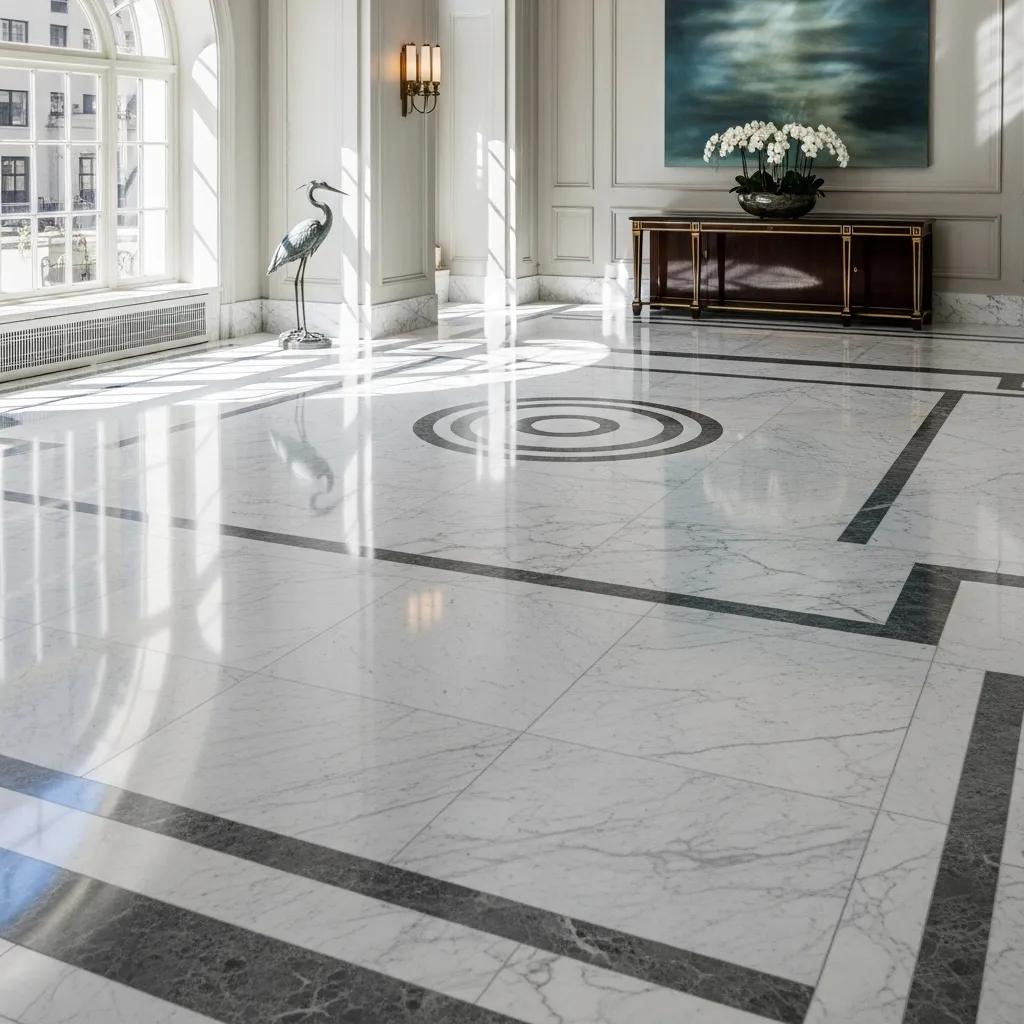
How to Maintain Marble Floors in NYC Buildings: Complete Guide for Commercial and Residential Care
Maintaining marble floors in NYC buildings is essential for preserving their beauty and longevity. Marble, a luxurious and elegant flooring option, requires specific care to prevent damage from daily wear and tear, spills, and environmental factors. This comprehensive guide will provide you with effective strategies for maintaining marble floors, ensuring they remain in pristine condition. You will learn about daily maintenance practices, the importance of professional restoration, sealing techniques, stain removal methods, and how to choose a professional marble care company. By following these guidelines, you can protect your investment and enhance the aesthetic appeal of your space.
What Are the Best Daily Maintenance Practices for NYC Commercial Marble Floors?
Daily maintenance is crucial for keeping marble floors looking their best. Implementing effective cleaning routines can prevent dirt buildup and surface damage, ensuring the longevity of your marble flooring.
How to Use pH-Neutral Cleaners and Microfiber Mops Effectively?
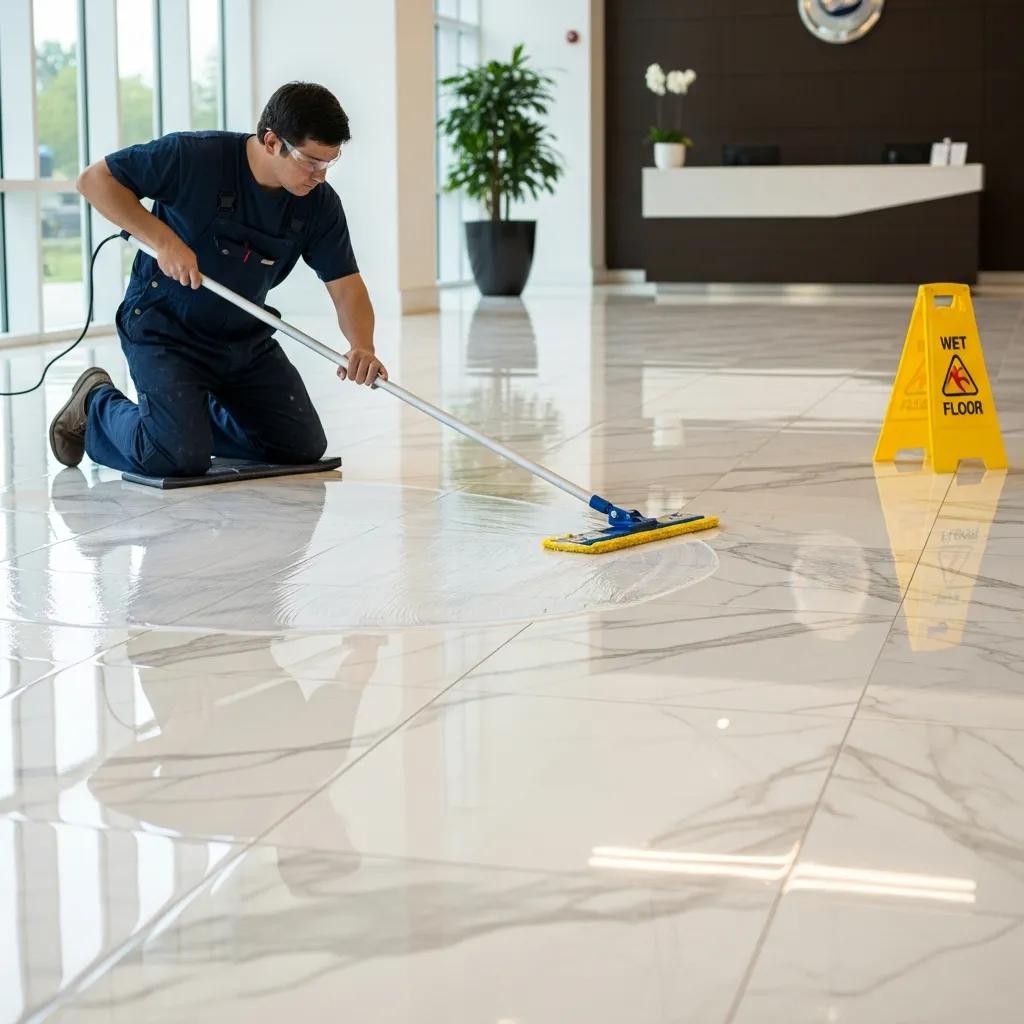
Using pH-neutral cleaners is essential for marble care, as acidic or alkaline substances can damage the surface. To clean effectively, follow these steps:
- Choose the Right Cleaner: Select a pH-neutral cleaner specifically designed for marble.
- Use Microfiber Mops: These mops are gentle on marble surfaces and effectively trap dirt and dust.
- Dampen the Mop: Lightly dampen the mop with the cleaning solution, avoiding excess moisture that can seep into the marble.
- Mop in Sections: Clean one section at a time, ensuring even coverage and preventing streaks.
By using the right cleaning products and techniques, you can maintain the shine and integrity of your marble floors.
Why Is Immediate Spill Cleanup Crucial for Marble Preservation?
Immediate cleanup of spills is vital for preserving marble floors. Different types of spills can cause varying degrees of damage:
- Acidic Spills: Substances like citrus juices or vinegar can etch the surface, leading to dull spots.
- Oily Spills: Oils can penetrate the marble, causing stains that are difficult to remove.
- Colored Liquids: Drinks like red wine or coffee can leave permanent stains if not addressed quickly.
To protect your marble, always blot spills immediately with a soft cloth and use a pH-neutral cleaner to remove any residue.
When and How Should Professional Marble Floor Restoration Be Performed in NYC Buildings?

Professional restoration is essential for maintaining the beauty of marble floors, especially in high-traffic areas. Understanding when and how to schedule these services can prolong the life of your flooring.
What Are the Differences Between Honing, Polishing, Crystallization, and Grinding?
Different restoration techniques serve unique purposes:
| Restoration Method | Description | Best Use |
|---|---|---|
| Honing | A process that smooths the surface and removes scratches | Ideal for dull or scratched floors |
| Polishing | Enhances shine and luster without removing material | Best for maintaining a glossy finish |
| Crystallization | A chemical process that hardens the surface and adds shine | Suitable for high-traffic areas needing extra durability |
| Grinding | Removes deep scratches and unevenness | Used for heavily damaged floors |
Each method has its advantages, and the choice depends on the condition of your marble floors.
How Often Should High-Traffic NYC Lobbies Schedule Professional Restoration?
High-traffic areas, such as lobbies, require more frequent restoration to maintain their appearance. It is recommended to schedule professional restoration every 12 to 18 months, depending on foot traffic and wear. Regular maintenance can prevent costly repairs and keep your marble floors looking their best.
How Can Sealing Protect Marble Floors in High-Traffic NYC Buildings?
Sealing is a critical step in marble floor maintenance, providing a protective barrier against stains and moisture.
What Types of Sealants Are Best for NYC Commercial Marble Floors?
When selecting sealants for marble floors, consider the following options:
- Penetrating Sealants: These sealants soak into the marble, providing deep protection against stains.
- Topical Sealants: These create a protective layer on the surface, enhancing shine but may require more frequent reapplication.
- Natural Sealants: Eco-friendly options that offer protection without harmful chemicals.
Choosing the right sealant can significantly extend the life of your marble flooring.
How Often Should Marble Floors Be Sealed to Maintain Durability?
The frequency of sealing depends on several factors, including foot traffic and the type of sealant used. Generally, it is advisable to seal marble floors every 12 to 24 months. Regular inspections can help determine when resealing is necessary, ensuring your floors remain protected.
What Are Common Marble Floor Stains and How Are They Removed in NYC Settings?
Understanding common stains and their removal methods is essential for maintaining marble floors.
How to Identify and Treat Etching, Rust, Oil, and Organic Stains?
Different stains require specific treatment methods:
- Etching: Caused by acidic substances, etching can be treated with honing to restore the surface.
- Rust Stains: These can be removed using a rust remover specifically designed for marble.
- Oil Stains: Apply a poultice made of baking soda and water to absorb the oil.
- Organic Stains: For stains from food or drinks, use a mixture of hydrogen peroxide and a few drops of ammonia.
Identifying the type of stain is crucial for effective treatment.
When Is Professional Stain Removal Necessary for Marble Floors?
If stains persist despite your best efforts, it may be time to call in professionals. Signs that indicate the need for professional intervention include:
- Deep Stains: Stains that do not respond to home remedies.
- Widespread Damage: Multiple areas affected by staining or etching.
- Surface Damage: Scratches or dullness that cannot be restored through cleaning.
Professional services can provide specialized treatments to restore your marble floors.
How to Choose a Professional Marble Care Company in NYC?
Selecting the right marble care company is essential for effective maintenance and restoration.
What Certifications and Expertise Should You Look For?
When choosing a marble care provider, consider the following qualifications:
- Certifications: Look for companies with industry certifications that demonstrate expertise in stone care.
- Experience: Choose a company with a proven track record in marble maintenance and restoration.
- Customer Reviews: Research customer feedback to gauge the quality of service provided.
A qualified company will ensure your marble floors receive the best care possible.
How Does Highline Stone Care Provide Cost-Effective Marble Maintenance?
Highline Stone Care specializes in comprehensive stone care and restoration services for both residential and commercial properties in NYC. Their expertise ensures that clients receive high-quality service at competitive prices. By offering free estimates and tailored maintenance plans, Highline Stone Care helps property owners protect their investments while maintaining the beauty of their marble floors.
What Preventative Measures and Staff Training Help Extend Marble Floor Longevity in NYC Buildings?
Preventative measures and staff training are vital for maintaining marble floors in commercial settings.
How Do Entrance Mats and Furniture Pads Protect Marble Surfaces?
Using entrance mats and furniture pads can significantly reduce wear and tear on marble floors. Here’s how:
- Entrance Mats: These trap dirt and moisture, preventing it from being tracked onto marble surfaces.
- Furniture Pads: Placing pads under furniture legs prevents scratches and dents when moving items.
Implementing these simple measures can extend the life of your marble flooring.
Why Is Staff Training on Marble Care Essential for Commercial Properties?
Training staff on proper marble care techniques is crucial for maintaining the integrity of the flooring. Key training topics should include:
- Cleaning Procedures: Educating staff on the use of pH-neutral cleaners and proper mopping techniques.
- Spill Response: Training on immediate spill cleanup to prevent damage.
- Preventative Measures: Informing staff about the importance of using mats and pads.
Well-trained staff can help maintain the beauty and longevity of marble floors, reducing the need for costly repairs.