
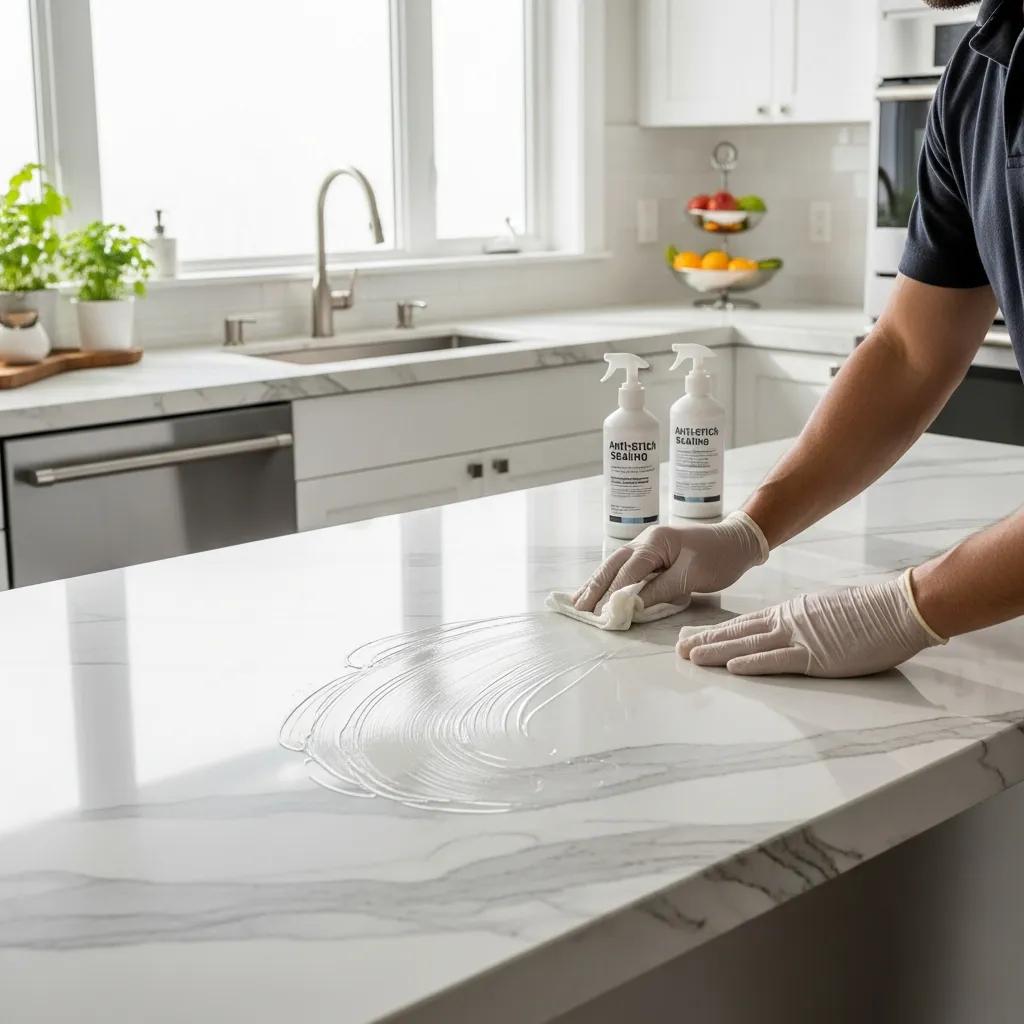
Anti-Etch Sealing Babylon NY – Expert Stone Protection for Marble and Natural Stone Surfaces
In the realm of stone care, anti-etch sealing stands out as a crucial service for preserving the beauty and integrity of natural stone surfaces. This article delves into the significance of anti-etch sealing, particularly for marble and other natural stones, and how it effectively protects against the damaging effects of acid etching. Readers will gain insights into the mechanisms of anti-etch sealing, the types of stones that benefit most, and the advantages of choosing professional services in Babylon, NY. Many homeowners and property managers face the challenge of maintaining the pristine appearance of their stone surfaces, often succumbing to etching caused by acidic substances. Anti-etch sealing offers a reliable solution, ensuring that your stone surfaces remain beautiful and durable. We will explore the sealing process, the specific stone types that benefit, and address common questions regarding anti-etch sealing.
What is Anti-Etch Sealing and How Does It Protect Your Stone Surfaces?
Anti-etch sealing is a specialized treatment designed to protect natural stone surfaces from the corrosive effects of acidic substances. This sealing process creates a protective barrier that reduces the risk of etching, which can occur when acidic liquids, such as lemon juice or vinegar, come into contact with the stone. By forming a resilient layer on the surface, anti-etch sealing helps maintain the stone’s aesthetic appeal and structural integrity. The primary benefit of this sealing is its ability to prolong the life of the stone, reducing the need for frequent repairs or replacements.
How Does Anti-Etch Sealing Create a Protective Barrier Against Acid Etching?
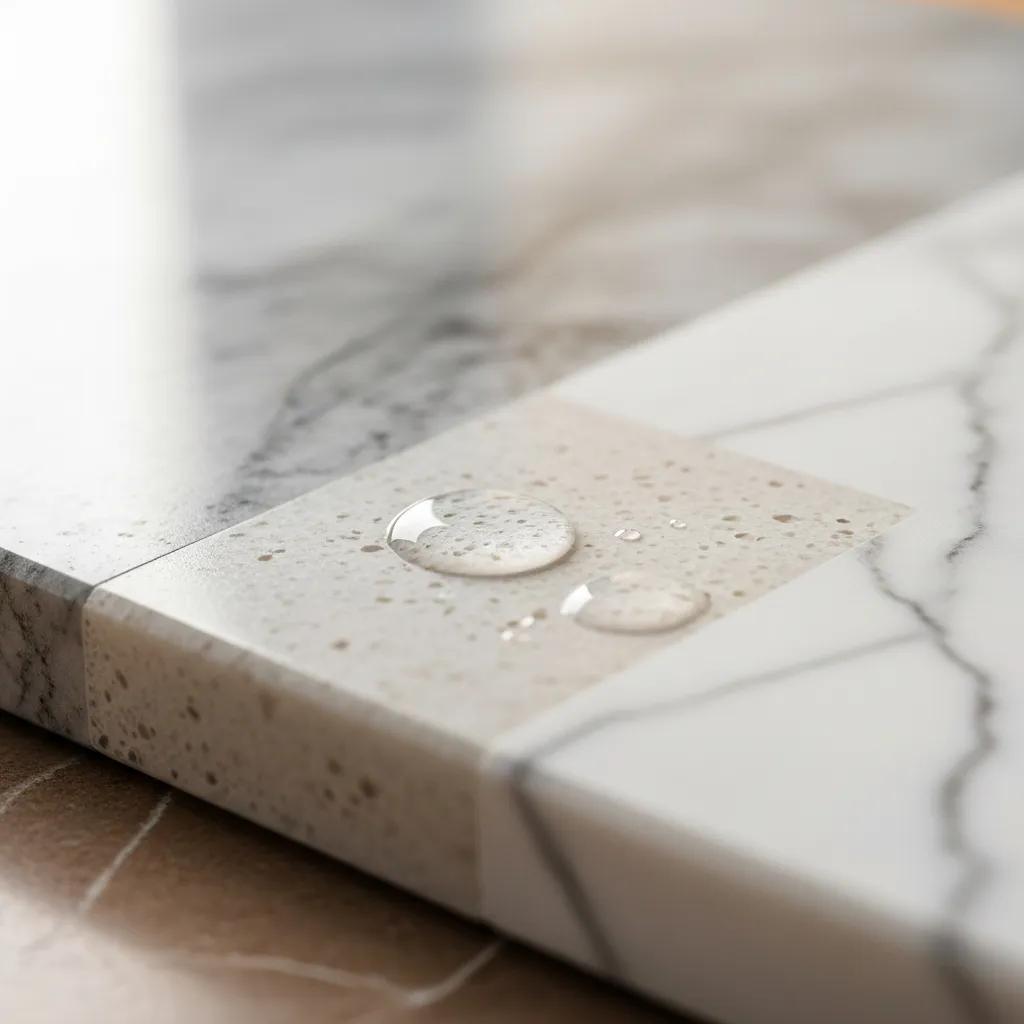
The mechanism behind anti-etch sealing involves the application of a specialized protective coating that bonds with the stone surface. This coating acts as a shield, helping to prevent acids from penetrating the stone and causing damage. For instance, when acidic substances are spilled on a sealed surface, the coating reduces the acid’s effects, thereby minimizing etching. This protective barrier is essential for maintaining the beauty of marble and other natural stones, which are particularly susceptible to acid damage.
Which Natural Stones Benefit Most from Anti-Etch Sealing?
Several types of natural stones benefit significantly from anti-etch sealing, particularly those that are porous and prone to etching. Marble, limestone, and travertine are among the most vulnerable, as their calcium carbonate composition makes them highly reactive to acids. By applying anti-etch sealing, homeowners can protect these stones from unsightly marks and preserve their natural beauty for years to come.
Why Choose Anti-Etch Sealing Services in Babylon NY?
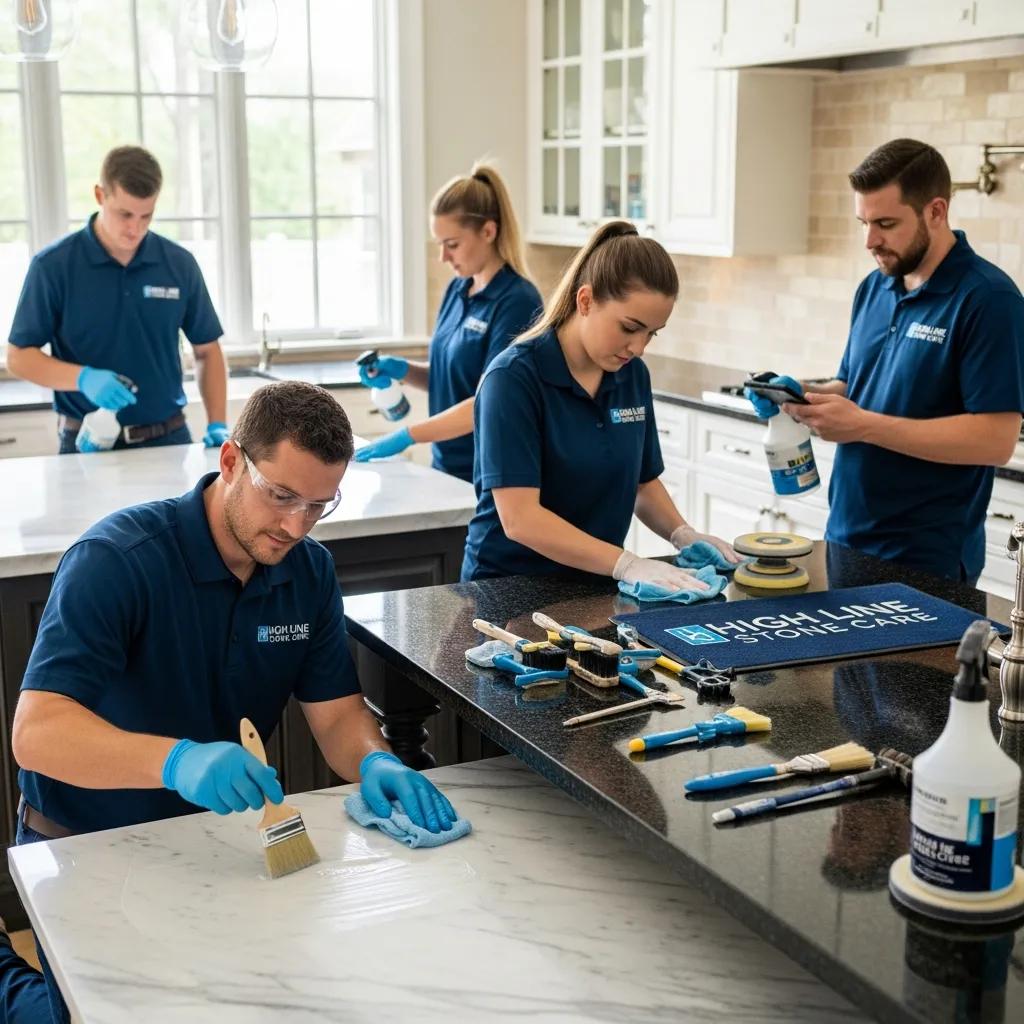
Choosing professional anti-etch sealing services in Babylon, NY, offers numerous advantages for homeowners and property managers. Local experts possess the knowledge and experience necessary to effectively treat various stone types, ensuring optimal results. Additionally, professional services guarantee the use of high-quality materials and techniques that enhance the longevity of the seal.
What Are the Key Benefits of Anti-Etch Protection for Your Marble and Stone?
- Durability: The protective seal extends the lifespan of the stone surfaces, reducing wear and tear.
- Aesthetic Preservation: Sealing helps prevent etching, maintaining the stone’s original beauty and shine.
- Cost-Effectiveness: By minimizing damage, anti-etch sealing reduces the need for costly repairs or replacements.
How Does High Line Stone Care Ensure Quality and Satisfaction?
High Line Stone Care is committed to delivering exceptional quality and customer satisfaction. The company employs experienced professionals who utilize advanced techniques and high-quality materials to ensure that every sealing job meets the highest standards. Customer feedback is prioritized, and service guarantees are in place to provide peace of mind for clients.
How Is the Anti-Etch Sealing Process Performed by Experts?
The anti-etch sealing process involves several critical steps to ensure effective application and long-lasting protection. Professionals begin with a thorough consultation to assess the stone’s condition and determine the best sealing approach.
What Are the Steps Involved in Consultation, Preparation, and Application?
- Consultation: Experts evaluate the stone surface and discuss the client’s needs and expectations.
- Preparation: The surface is cleaned and prepped to ensure proper adhesion of the sealant.
- Application: The anti-etch sealant is applied evenly across the surface, forming a protective barrier.
How Long Does the Anti-Etch Coating Last and What Maintenance Is Required?
The longevity of an anti-etch coating can vary based on factors such as the type of stone and the level of use. Generally, a well-applied anti-etch seal can last between 1 to 3 years. Regular maintenance, including gentle cleaning and periodic reapplication, is recommended to ensure continued protection.
Which Stone Types and Properties Are Protected by Anti-Etch Sealing?
Anti-etch sealing is effective for a variety of stone types, each with unique properties that make them susceptible to etching. Understanding these properties helps in selecting the right sealing approach.
How Does Anti-Etch Sealing Protect Marble, Limestone, and Travertine?
Marble, limestone, and travertine are particularly vulnerable to acid etching due to their calcium carbonate content. Anti-etch sealing provides a protective layer that helps prevent acids from reacting with the stone, thus preserving its appearance and structural integrity. This sealing is crucial for maintaining the beauty of these stones in both residential and commercial settings.
Can Anti-Etch Coating Be Applied to Quartz, Soapstone, and Other Surfaces?
Anti-etch sealing is generally not necessary for quartz, as it is an engineered stone highly resistant to etching and staining. Soapstone is also naturally resistant to etching and typically does not require anti-etch sealing. However, sealing can sometimes be applied to soapstone to enhance stain resistance. It is important to consult with a professional to determine the best care approach for these materials.
How Does Anti-Etch Sealing Serve Residential and Commercial Properties in Babylon NY?
Anti-etch sealing is beneficial for both residential and commercial properties, providing tailored solutions to meet the unique needs of each environment.
What Are the Advantages for Homeowners and Residential Countertops?
Homeowners benefit from anti-etch sealing by preserving the beauty of their countertops and minimizing maintenance efforts. Sealed surfaces are easier to clean and maintain, ensuring that the stone remains in pristine condition for years.
How Does Anti-Etch Protection Benefit Commercial Spaces and Property Managers?
For commercial properties, anti-etch sealing offers durability and cost savings. Sealed surfaces withstand heavy foot traffic and resist damage from spills, leading to lower maintenance costs and enhanced customer satisfaction.
What Are the Most Common Questions About Anti-Etch Sealing in Babylon NY?
As interest in anti-etch sealing grows, several common questions arise regarding its effectiveness and value.
How Much Does Anti-Etch Sealing Cost and Is It Worth the Investment?
The cost of anti-etch sealing can vary based on the size of the area and the type of stone. However, the investment is often justified by the long-term protection and maintenance savings it provides. Homeowners can expect to pay between $3 to $7 per square foot for professional sealing services, depending on the complexity of the job and local market rates.
How Can I Prevent Marble Etching and Maintain Stone Beauty?
To prevent marble etching, homeowners should avoid using acidic cleaners and promptly clean up spills. Regular maintenance, including gentle cleaning and periodic resealing, will help maintain the stone’s beauty and prolong its lifespan.
| Stone Type | Susceptibility to Etching | Recommended Sealing Frequency |
|---|---|---|
| Marble | High | Every 1-2 years |
| Limestone | High | Every 1-2 years |
| Travertine | Moderate | Every 2-3 years |
| Quartz | Very Low | Sealing generally not required |
| Soapstone | Very Low | Sealing generally not required |
In summary, anti-etch sealing is an essential service for protecting natural stone surfaces from the damaging effects of acid etching. By understanding the benefits and processes involved, homeowners and property managers can make informed decisions to preserve their stone investments.