
Anti-Etch Sealing Chelsea Manhattan: Expert Luxury Marble Care for Lasting Protection
In the heart of Chelsea and Manhattan, luxury marble surfaces are a hallmark of elegance and sophistication. However, these exquisite materials are vulnerable to damage from everyday substances, particularly acidic ones that can cause etching. This article delves into the importance of anti-etch sealing, a protective measure that not only preserves the beauty of marble but also extends its lifespan. Readers will learn about the mechanisms of anti-etch sealing, its benefits, and how High Line Stone Care applies this essential service. We will also explore the costs associated with anti-etch sealing and address common questions regarding marble care in NYC.
What Is Anti-Etch Sealing and How Does It Protect Luxury Marble?
Anti-etch sealing is a specialized treatment designed to protect luxury marble surfaces from damage caused by acidic substances. This sealing process creates a protective barrier that helps reduce etching, which can occur when acidic liquids, such as lemon juice or vinegar, come into contact with marble. By applying a high-quality sealant, the surface becomes more resistant to these harmful agents, helping the marble retain its pristine appearance.
How Does Anti-Etch Sealing Prevent Acid Etching on Marble Surfaces?
Acid etching occurs when acidic substances react with the calcium carbonate in marble, leading to dull spots and surface damage. Anti-etch sealing works by forming a protective layer that reduces the penetration of these acids, effectively minimizing the risk of etching. This barrier not only helps protect the marble but also makes it easier to clean, as spills can be wiped away with less risk of damage.
The effectiveness of these protective coatings is often validated through rigorous testing, such as evaluating resistance to strong acids like nitric acid.
Nitric Acid Resistance Testing for Marble Coatings
Samples (0.5 g) were digested with 2.5 mL nitric acid and then diluted to 50 g before OES analysis; the results are given in Table 1. The stone is calcium carbonate with ppm
Acid‐resistant coatings on marble, S Naidu, 2016
Which Stone Types Benefit from Anti-Etch Sealing in Chelsea Manhattan?
- Limestone: Similar in composition to marble, limestone is also susceptible to acid damage and benefits greatly from sealing.
- Travertine: This porous stone can absorb liquids, making it vulnerable to staining and etching without proper sealing.
- Granite: Although more resistant than marble, granite can still benefit from sealing to enhance its durability and appearance.
Why Is Anti-Etch Sealing Essential for Luxury Marble Protection in Chelsea Manhattan?
In Chelsea and Manhattan, the unique environmental factors contribute to the increased risk of marble etching. High foot traffic, frequent spills, and the presence of acidic cleaning products can all lead to significant damage over time. Anti-etch sealing is essential for maintaining the integrity and beauty of marble surfaces in these bustling urban environments.
What Local Factors Increase Marble Etching Risks in Chelsea and Manhattan?
- High Foot Traffic: Public spaces and commercial properties often experience heavy foot traffic, increasing the likelihood of spills and accidents.
- Common Spills: Beverages and food items that are acidic, such as wine and citrus juices, are frequently consumed in these areas, posing a risk to marble surfaces.
- Environmental Pollution: Urban pollution can contribute to the deterioration of marble, making sealing even more critical.
Research further illustrates how various acidic agents, mimicking polluted urban environments, contribute to the deterioration of carbonate building stones.
Marble Acid Weathering & Urban Atmospheric Damage
Three types of carbonate rocks, travertine, limestone and marble have been studied to determine their selected technical parameters (water absorption, resistance to salt crystallization damage) and reaction to experimentally modelled acid rain weathering imitating the polluted urban atmospheric conditions. The acidic agents present in natural acid rain precipitation, H2SO4, HCl, HNO3, CH3COOH and mixture of all the acids, “Acid mix”, were tested. The initial stages of acid weathering involve, apart from chemical dissolution, particularly intense physical detachment of rock particles (granular disintegration) significantly contributing to the total mass loss.
Acidic weathering of carbonate building stones: experimental assessment, 2009
How Does Anti-Etch Sealing Preserve Marble’s Elegance and Value?
By helping to prevent etching and staining, anti-etch sealing helps maintain the marble’s original beauty and luster. This preservation not only enhances the aesthetic appeal of the stone but also protects its value. Well-maintained marble surfaces can significantly increase property value, making anti-etch sealing a wise investment for homeowners and property managers alike.
How Does High Line Stone Care Apply Professional Anti-Etch Sealing in Chelsea Manhattan?
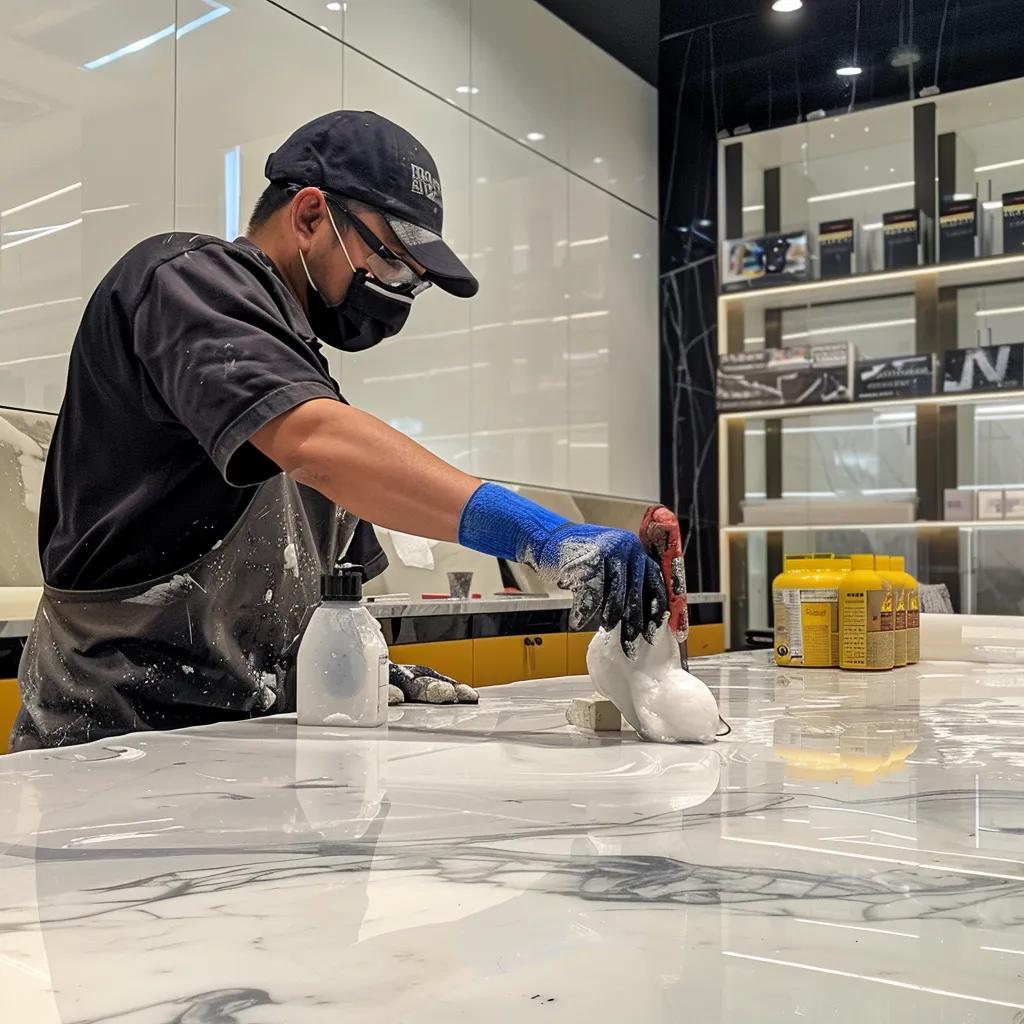
High Line Stone Care employs a meticulous process to ensure that anti-etch sealing is applied effectively, providing maximum protection for luxury marble surfaces.
What Are the Step-by-Step Processes for Expert Marble Sealing?
- Initial Assessment: A thorough evaluation of the marble surface to identify any existing damage and determine the appropriate sealing method.
- Cleaning: The marble is cleaned using specialized products to remove dirt, grime, and any previous sealants.
- Sealing Application: A high-quality anti-etch sealant is applied evenly across the surface, ensuring complete coverage.
- Curing: The sealant is allowed to cure properly, creating a durable protective barrier.
Which Premium Products and Techniques Ensure Durable Marble Protection?
High Line Stone Care utilizes premium sealants that are specifically designed for marble protection. These products are formulated to provide long-lasting results, helping ensure that the marble remains protected from etching and staining. Techniques such as dual-layer sealing can further enhance the durability of the protection, making it a reliable choice for luxury marble care.
Innovative approaches, such as microbial calcium carbonate coatings, are also being explored to enhance stone’s acid resistance and overall durability.
Microbial Calcium Carbonate Coatings for Stone Acid Resistance
The coatings of microorganism-induced calcium carbonate onto the stone surface carried out by using both of the immersion method and coating method were investigated. The large cohesive force between calcium carbonate layer and stone materials could improve the acid rain resistance as well as excellent heat tolerance, frost resistance and light aging resistance. The coating process could not only help the stone materials maintain its original permeability with the aid of calcium carbonate layers but also improve the penetration resistance significantly. Therefore, this type of technology shows a great potential in the protection of stone relics.
Coating of microbially produced calcium carbonate onto stone materials, 2015
What Are the Benefits of Anti-Etch Sealing for Residential and Commercial Marble Care?
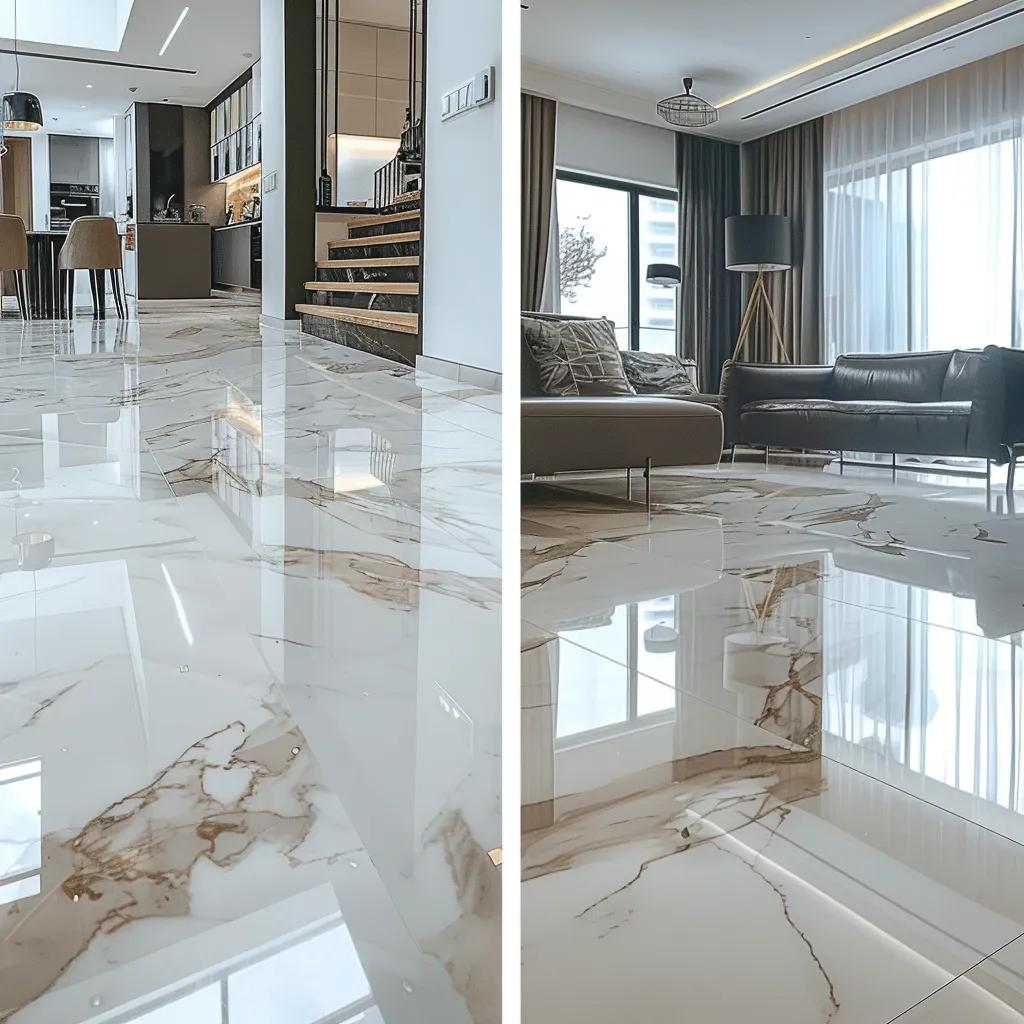
- Long-lasting Protection: The sealant provides a durable barrier against acidic substances, significantly reducing the risk of etching.
- Stain Resistance: Sealed marble is less likely to absorb spills, making it easier to maintain and clean.
- Ease of Maintenance: Regular cleaning becomes simpler, as the sealed surface repels dirt and grime.
For property managers and homeowners, these benefits translate into lower maintenance costs and a more attractive living or working environment.
How Does Anti-Etch Sealing Enhance Maintenance for Homeowners and Property Managers?
For homeowners, anti-etch sealing reduces the frequency of deep cleaning required, as spills can be wiped away easily without causing damage. Property managers benefit from the long-term cost savings associated with maintaining marble surfaces, as sealed marble requires less frequent restoration and repair.
What Advantages Do Luxury Hotels and Retail Spaces Gain from Marble Protection?
Luxury hotels and retail spaces can significantly enhance their customer experience by maintaining pristine marble surfaces. Anti-etch sealing helps ensure that these high-traffic areas remain visually appealing, which is crucial for attracting and retaining customers. Additionally, the long-term cost savings associated with reduced maintenance and repair needs make anti-etch sealing a smart investment for commercial properties.
How Much Does Anti-Etch Sealing Cost in Chelsea Manhattan and What Is the Investment Value?
The cost of anti-etch sealing can vary based on several factors, including the size of the area to be sealed and the type of stone being treated.
Which Factors Influence Pricing for Professional Marble Sealing Services?
- Size of Area: Larger areas will naturally incur higher costs due to the increased amount of sealant and labor required.
- Type of Stone: Different stones may require specific sealants or techniques, affecting the overall price.
- Condition of the Surface: If the marble requires extensive cleaning or repair before sealing, this will also impact the cost.
How Does Anti-Etch Sealing Save Money Compared to Marble Replacement?
Investing in anti-etch sealing can save property owners significant amounts of money in the long run. By helping to prevent etching and staining, sealing reduces the need for costly repairs or even complete marble replacement. This proactive approach to marble care helps ensure that the investment in luxury materials is protected and maintained.
What Are Common Questions About Anti-Etch Sealing and Luxury Marble Care in NYC?
As property owners consider anti-etch sealing, several common questions arise regarding its effectiveness and safety.
How Long Does Anti-Etch Protection Last on Marble Surfaces?
The longevity of anti-etch protection can vary based on usage and maintenance, but typically, a well-applied sealant can last between 1 to 3 years. Regular maintenance and reapplication can extend this lifespan, ensuring ongoing protection for luxury marble surfaces.
Is Anti-Etch Sealing Safe for Kitchen Countertops and Food Preparation Areas?
Yes, anti-etch sealing is safe for kitchen countertops and food preparation areas. The sealants used are generally non-toxic and designed to withstand food contact, making them an ideal choice for maintaining both safety and aesthetics in culinary spaces.