
High Line Stone Care – Excellence Above Any Other!!
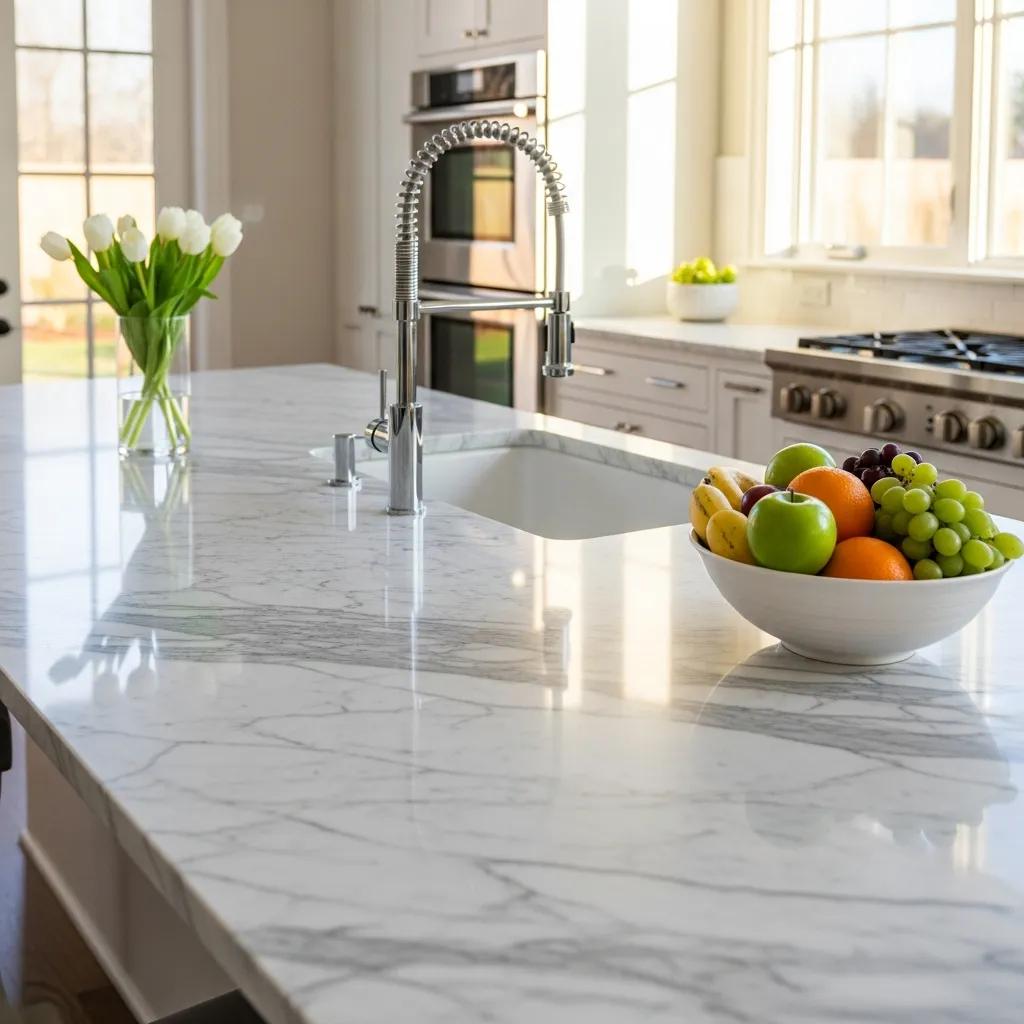
Anti-Etch Sealing Huntington NY – Professional Marble Care for Durable Stone Protection
Marble surfaces are a stunning addition to any home, but they are susceptible to etching from acidic substances. This article delves into the causes of marble etching, the benefits of professional anti-etch sealing, and why High Line Stone Care is the go-to choice for marble care in Huntington, NY. Readers will learn how to protect their marble surfaces effectively and the importance of professional sealing services. With the right knowledge, homeowners can maintain the beauty and durability of their marble for years to come. We will explore the causes of etching, the advantages of sealing, the sealing process, and common questions about marble care.
What Causes Marble Etching and How Can It Be Prevented?
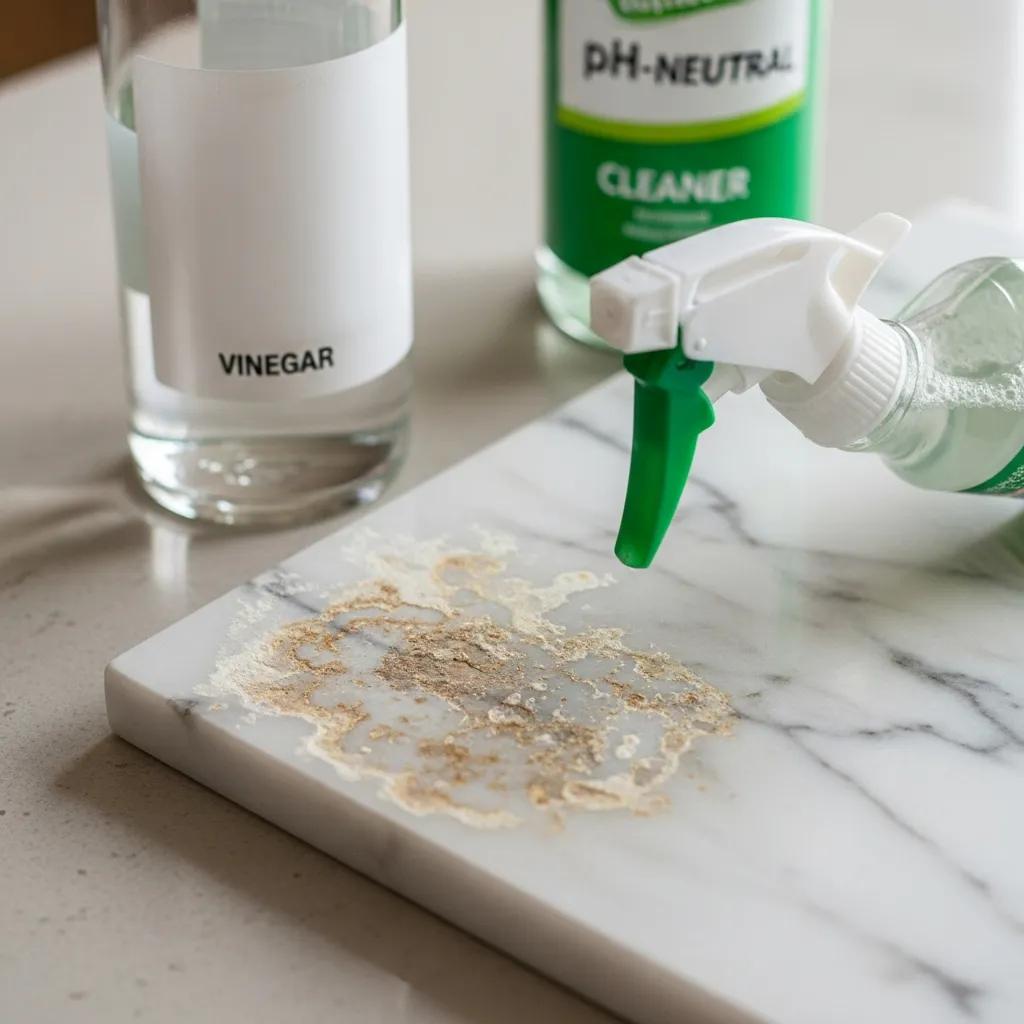
Marble etching occurs when acidic substances react with the calcium carbonate in the stone, leading to dull spots and damage. Common household items like vinegar, citrus juices, and certain cleaning products can cause this damage. Understanding the causes of etching is crucial for prevention, as it allows homeowners to take proactive measures to protect their surfaces.
Beyond common household acids, environmental pollution, particularly in urban settings, is also a significant contributor to stone decay and etching.
Environmental Pollution & Stone Decay: Causes of Marble Etching
This paper discusses the relationship between environmental pollution and stone decay, particularly in urban areas where anthropogenic activities have intensified the deterioration of stone monuments. It highlights the various air pollutants, such as sulfur dioxide and nitrogen oxides, that significantly contribute to the decay process. Through an examination of pollutants and their effects, this work underscores the critical need for awareness and conservation efforts to mitigate stone decay due to environmental pollution.
Environmental pollution in relation to stone decay, V Fassina, 1988
Which Acidic Substances Damage Marble Surfaces?
Several acidic substances can harm marble surfaces, including:
- Vinegar: Commonly used in kitchens, vinegar can quickly dull marble finishes.
- Citrus Juices: Lemon and lime juices are highly acidic and can etch marble if spilled.
- Certain Cleaning Products: Many household cleaners contain acids or acidic components that can damage marble.
By avoiding these substances and using pH-neutral cleaners, homeowners can significantly reduce the risk of etching.
How Does Etching Differ from Staining on Natural Stone?
Etching and staining are often confused, but they are distinct issues. Etching is a chemical reaction that removes or dulls the surface finish of the marble, resulting in dull spots or surface damage. In contrast, staining occurs when substances penetrate the stone, leaving a discoloration. Understanding this difference is essential for proper care and maintenance of marble surfaces.
What Are the Benefits of Professional Anti-Etch Sealing in Huntington NY?
Professional anti-etch sealing offers numerous benefits for marble surfaces, ensuring they remain beautiful and protected from damage.
The development of advanced hydrophobic coatings and nanoparticles represents a frontier in enhancing stone protection and durability.
Hydrophobic Coatings & Nanoparticles for Stone Protection
Consolidation and hydrophobic treatment of stone artworks are challenging tasks. These treatments are considered irreversible in many cases. However, in many cases, they are unavoidable, especially when the stone monuments are in risk of deterioration and collapse induced by aging and weathering. Inorganic nanoparticles and polymeric materials are introduced for this aim. Acrylics, silanes and organic–inorganic nanocomposites play an important role in the preparation of hydrophobic coating compositions for application on the stone surface. It is shown that the use of inorganic nanoparticles in a coating composition is a useful way to improve consolidation, self-cleaning and anti-microorganism properties in the conservation and protection treatments.
Application of polymer coatings and nanoparticles in consolidation and hydrophobic treatment of stone monuments, A Ershad-Langroudi, 2019
- Long-lasting Protection: Sealing creates a barrier that reduces the penetration of acidic substances into the stone.
- Enhanced Appearance: A quality seal can enhance the natural beauty of marble, making it look polished and vibrant.
- Cost-effectiveness: Investing in sealing can save money in the long run by reducing the need for repairs and restoration.
High Line Stone Care specializes in anti-etch sealing, providing homeowners with peace of mind regarding their marble surfaces.
How Does Anti-Etch Sealing Protect Marble and Other Stones?
Anti-etch sealing works by applying a protective coating that repels water and reduces the penetration of acidic substances. This barrier helps prevent etching and staining, allowing homeowners to enjoy their marble without worry. The sealing process involves thorough cleaning and preparation, ensuring the seal adheres properly and provides maximum protection.
Further research into nanostructured treatments reveals their potential to provide advanced superhydrophobic, self-cleaning, and antifouling properties for marble surfaces.
Nanostructured Treatments for Marble Protection & Durability
Marbles have been extensively used in historical architecture owing to their good mineralogical and microstructural properties, durability, and aesthetic quality. Nevertheless, the protection of historical marbles in outdoor conditions is a difficult task, mainly because of their low open porosity. An overview of nanostructured protective treatments based on the use of SiO2, TiO2, ZnO, and Ag nanoparticles to confer superhydrophobic, self-cleaning, and antifouling properties to the surface is proposed.
The protection of marble surfaces: The challenge to develop suitable nanostructured treatments, L Toniolo, 2018
Which Stone Types Benefit Most from Anti-Etch Coatings?
While marble is the primary focus, other stone types also benefit from anti-etch coatings, including:
- Limestone: Similar to marble, limestone is prone to etching and requires protection.
- Travertine: This porous stone can absorb acids, making sealing essential.
- Granite: Although more resistant, granite can still benefit from sealing to prevent stains and minor etching.
Understanding which stones require sealing helps homeowners make informed decisions about their stone care.
How Is the Anti-Etch Sealing Process Performed by Experts?
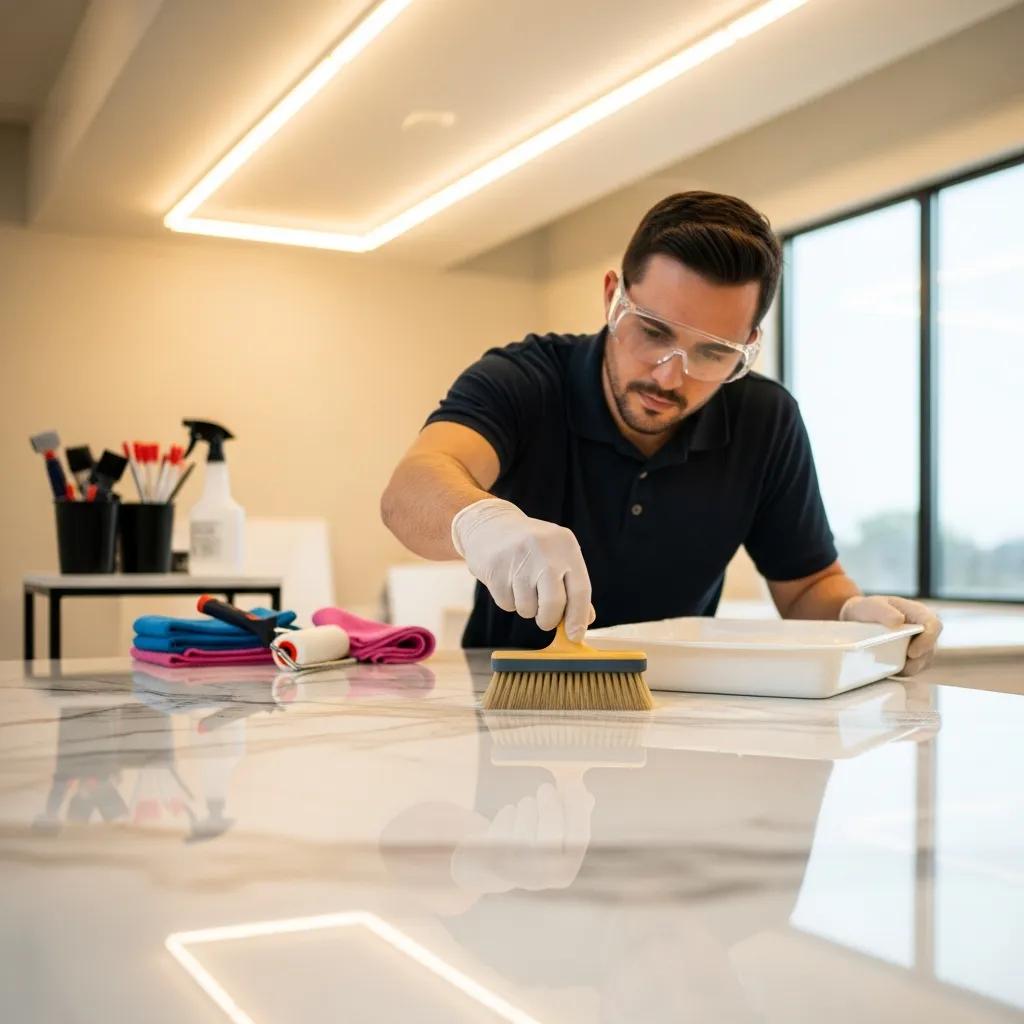
The anti-etch sealing process involves several critical steps to ensure effective protection for marble surfaces.
- Surface Preparation: Experts begin by cleaning the marble thoroughly to remove any dirt, grime, or previous sealants.
- Application of Sealant: Once the surface is clean and dry, the sealant is applied evenly, ensuring complete coverage.
- Curing Time: After application, the sealant needs time to cure, forming a strong protective barrier.
This meticulous process ensures that the marble is well-protected against future damage.
What Steps Are Involved in Surface Preparation and Application?
Surface preparation is crucial for the success of the sealing process. The steps include:
- Cleaning: Using specialized cleaners to remove all residues.
- Drying: Ensuring the surface is completely dry before applying the sealant.
- Application Techniques: Professionals use brushes, rollers, or applicator pads to apply the sealant evenly.
These steps are essential for achieving optimal results and ensuring the longevity of the seal.
What Aftercare and Maintenance Are Recommended for Longevity?
To maintain the effectiveness of the seal, homeowners should follow these aftercare tips:
- Regular Cleaning: Use pH-neutral cleaners to avoid damaging the seal.
- Avoiding Harsh Chemicals: Steer clear of acidic or abrasive cleaners that can wear down the seal.
- Periodic Resealing: Depending on usage and the type of sealant used, resealing every 1-3 years is recommended to maintain protection.
Following these guidelines will help extend the life of the seal and keep marble surfaces looking their best.
Why Choose High Line Stone Care for Anti-Etch Sealing in Long Island and NYC?
High Line Stone Care stands out as a premier provider of anti-etch sealing services in Huntington, NY. With a commitment to quality and customer satisfaction, the company has built a reputation for excellence in stone care.
- Local Expertise: High Line Stone Care has extensive experience working with various stone types in the Long Island area.
- Customer Satisfaction: The company prioritizes customer feedback and strives to exceed expectations with every service.
- Comprehensive Services: In addition to anti-etch sealing, High Line Stone Care offers a range of stone care services, including cleaning and restoration.
Choosing a local expert ensures that homeowners receive tailored services that meet their specific needs.
What Local Expertise and Experience Does High Line Stone Care Offer?
High Line Stone Care has been serving the Huntington area for years, providing specialized knowledge in stone care. Their team understands the unique challenges posed by local environmental factors, ensuring that their services are effective and long-lasting.
What Do Customers Say About Our Marble Protection Services?
Customer testimonials highlight the effectiveness of High Line Stone Care’s services. Many clients report satisfaction with the results, noting the enhanced appearance and durability of their marble surfaces after sealing. This positive feedback reinforces the company’s commitment to quality and customer care.
How Much Does Anti-Etch Sealing Cost in Huntington NY and Suffolk County?
The cost of anti-etch sealing can vary based on several factors, including the size of the area and the type of stone being sealed.
- Size of the Area: Larger areas will naturally incur higher costs due to the increased amount of sealant required.
- Type of Stone: Different stones may require specialized sealants, affecting the overall price.
- Condition of the Surface: If extensive cleaning or repairs are needed before sealing, this can also impact the cost.
Understanding these factors helps homeowners budget for their stone care needs.
What Factors Influence Pricing for Marble Protection Services?
Several key factors influence the pricing of marble protection services:
- Surface Area: The larger the surface, the higher the cost.
- Stone Type: Different stones may require different sealing products.
- Condition: If the stone requires significant restoration, this will add to the overall cost.
By considering these factors, homeowners can better understand the pricing structure for anti-etch sealing services.
Are There Discounts or Free Estimates Available?
High Line Stone Care often provides free estimates for potential clients, allowing homeowners to assess their options without commitment. Additionally, seasonal promotions may offer discounts on sealing services, making it more affordable to protect marble surfaces.
What Are Common Questions About Anti-Etch Sealing and Marble Care?
Homeowners often have questions regarding the maintenance and care of their marble surfaces. Addressing these concerns is essential for ensuring proper care.
Can I Remove Marble Etch Marks Myself?
While some DIY methods exist for removing etch marks, they can be risky and may cause further damage. It is generally recommended to consult a professional for effective removal and restoration.
How Often Should Marble Be Sealed to Prevent Etching?
Marble should typically be sealed every 1-3 years, depending on usage and exposure to acidic substances. Regular maintenance helps ensure that the protective barrier remains effective, preventing etching and staining.
| Benefit | Description | Value |
|---|---|---|
| Long-lasting Protection | Helps prevent etching and staining | High |
| Enhanced Appearance | Improves the look of marble | Medium |
| Cost-effectiveness | Reduces need for repairs | High |
| Stone Type | Recommended Sealant | Benefit |
|---|---|---|
| Marble | Anti-etch sealant | Helps prevent etching |
| Limestone | Specialized sealant | Protects from acids |
| Travertine | Water-resistant sealant | Reduces absorption |
By understanding the causes of marble etching and the benefits of professional sealing, homeowners can make informed decisions about their stone care. High Line Stone Care offers expert services to ensure that marble surfaces remain beautiful and protected for years to come.