
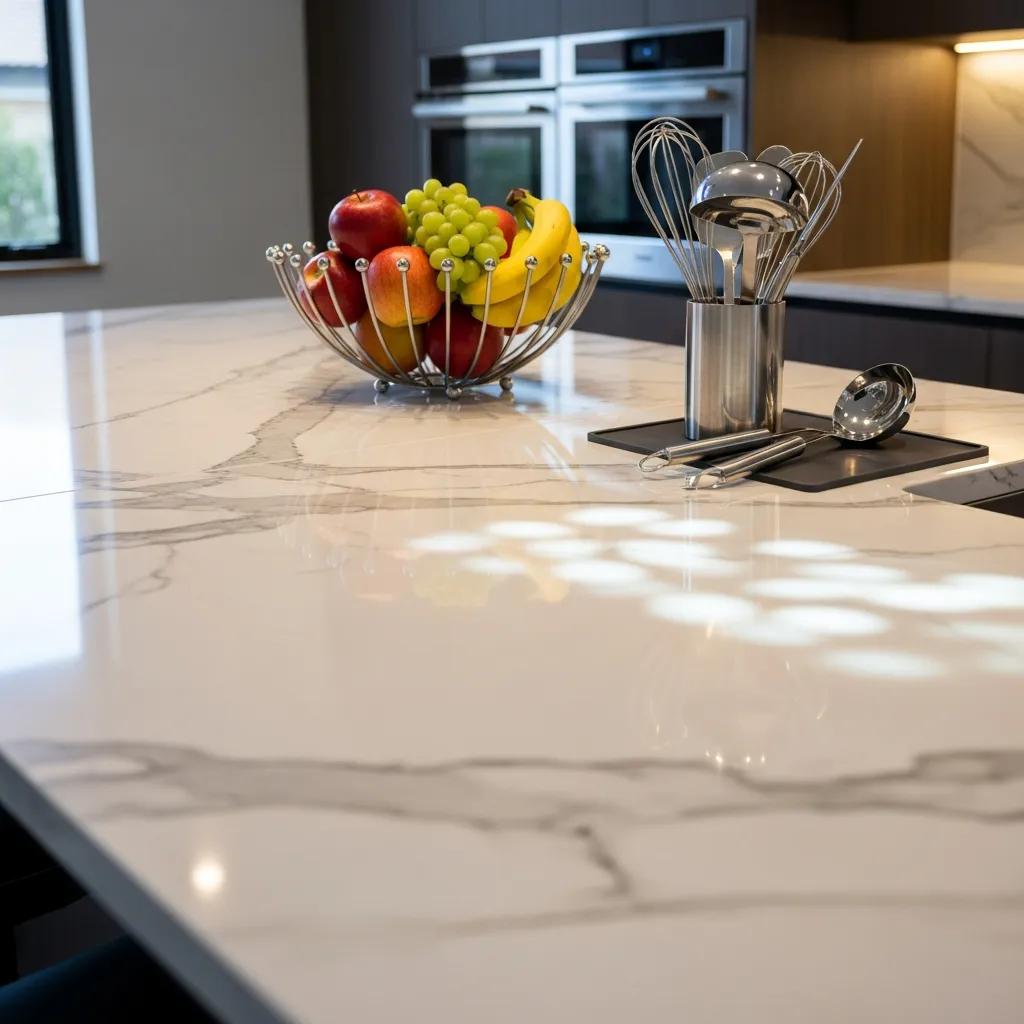
Anti-Etch Sealing Nassau County: Premium Stone Protection for Lasting Marble and Natural Stone Care
In Nassau County, maintaining the beauty and integrity of natural stone surfaces, particularly marble, is essential for homeowners and businesses alike. Anti-etch sealing is a specialized service designed to protect these surfaces from damage caused by acidic substances, helping to reduce etching and staining, ensuring they remain pristine and visually appealing. This article will delve into the causes of stone etching, the benefits of anti-etch sealing, and the various stone types that can benefit from this protective measure. By understanding the importance of anti-etch sealing, readers will be equipped to make informed decisions about their stone care needs.
Stone etching can significantly diminish the aesthetic value of marble and other natural stones, leading to costly repairs and replacements. This article will explore the mechanisms behind etching, the advantages of anti-etch sealing, and the professional processes involved in its application. Additionally, we will address common questions regarding anti-etch sealing services in Nassau County, providing a comprehensive overview of this essential stone protection service.
What Causes Stone Etching and How Does It Affect Nassau County Surfaces?
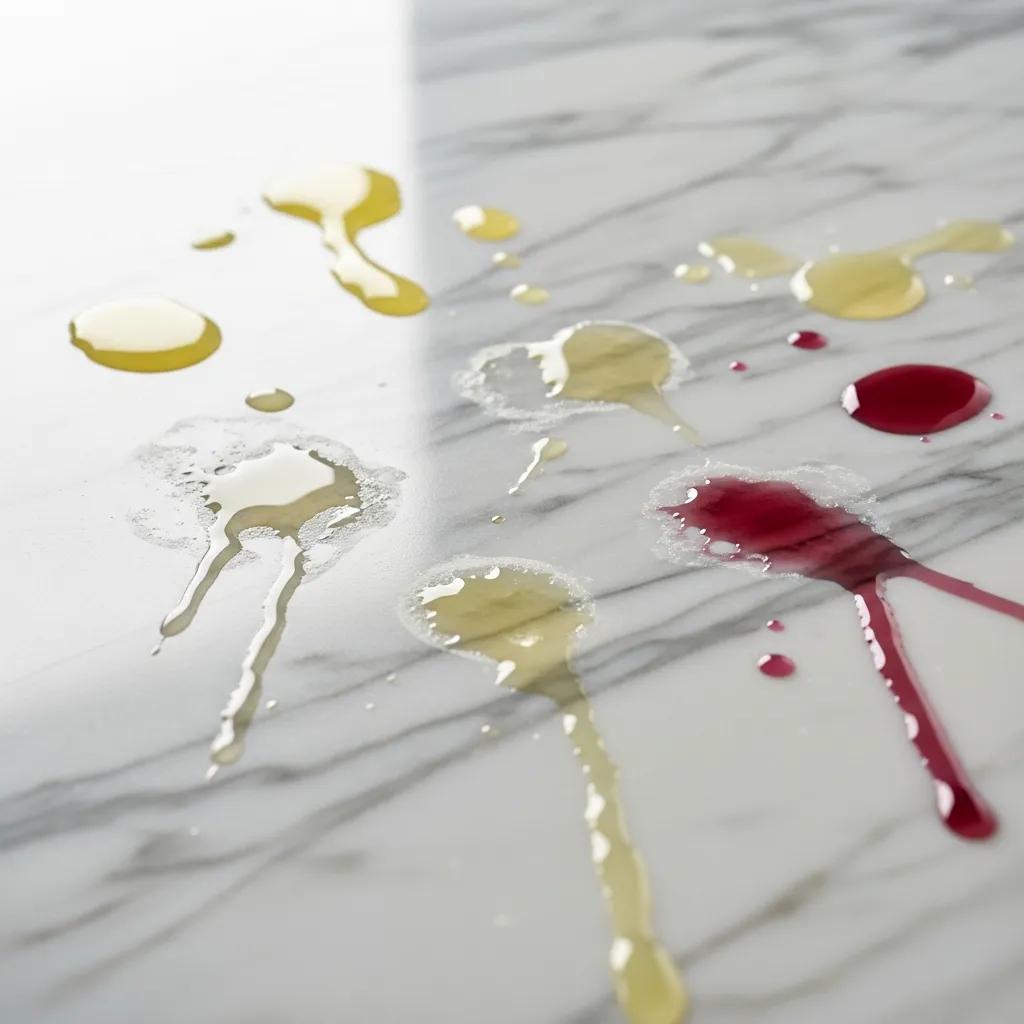
Stone etching occurs when acidic substances react with the calcium carbonate in natural stones like marble, leading to dull spots and surface damage. This chemical reaction affects the appearance of the stone but does not typically compromise its structural integrity. Understanding the causes of etching is crucial for effective prevention and maintenance.
What Is Marble Etching and How Does It Differ from Staining?
Marble etching is a specific type of damage characterized by dull marks or spots on the surface, resulting from acidic reactions. Unlike staining, which involves discoloration from substances like wine or coffee, etching alters the stone’s finish by dissolving the surface. Stains can often be cleaned or removed, while etching requires more intensive restoration efforts to restore the stone’s original luster.
Which Acidic Substances Commonly Cause Etching in Nassau County Homes?
- Citrus Juices: Lemon and lime juice can quickly damage marble surfaces.
- Vinegar: Often used for cleaning, vinegar can cause significant etching.
- Wine: Both red and white wine can cause etching if left unattended, with red wine also causing staining.
Why Choose Anti-Etch Sealing for Premium Stone Protection in Nassau County?
Anti-etch sealing is an effective solution for preserving the beauty and longevity of natural stone surfaces. This specialized sealing process creates a protective barrier that helps reduce the penetration of acidic substances into the stone, thereby minimizing the risk of etching and staining.
How Does Anti-Etch Sealing Provide Long-Term Protection Against Acid and Stains?
The anti-etch sealing process involves applying a high-quality coating that repels water and oil, helping to prevent harmful substances from penetrating the stone. This barrier reduces the risk of etching and staining and makes cleaning easier, as spills can be wiped away without leaving marks. The longevity of this protection depends on the product used and the level of wear the surface experiences.
Further research highlights how advanced materials, such as nano-materials, are being developed to provide even more robust and self-cleaning protection for natural stone surfaces.
Nano-Materials for Enhanced Marble & Natural Stone Protection
Most heritage buildings and monuments are constructed out of natural stones which suffer irrevocable degradation when undergoing wet weathering, bowing, and dissolution in outdoor conditions. Self-cleaning treatments are effective for stone protecting. Herein, nano-materials which provide enhanced protectants for Marble, Qingshi and Hedishi were prepared. Inherent microscale interstices and holes exist on polished natural stone surfaces. When treated by a commercial protectant, 101S, the surfaces were hydrophobic but not self-cleaning. Colloidal protectants were prepared by dispersion of Al2O3and SiO2nano-powder in 101S, respectively. Self-cleaning stone surfaces were achieved after treated by the protectants, meanwhile, the interstices and holes were reserved as much as possible.
Nano-materials enhanced protectants for natural stone surfaces, D Yang, 2021
What Are the Advantages of Anti-Etch Coatings Compared to Traditional Sealers?
Anti-etch coatings offer several advantages over traditional sealers, including:
- Enhanced Durability: Anti-etch coatings are designed to provide longer-lasting protection under typical household or commercial conditions.
- Better Resistance: They offer improved resistance to acidic substances, reducing the likelihood of etching.
- Ease of Maintenance: Surfaces treated with anti-etch sealers are easier to clean and maintain, saving time and effort.
Which Stone Types Benefit Most from Anti-Etch Sealing in Nassau County?
Not all stones are equally susceptible to etching. Certain types of stone, particularly those with high calcium carbonate content, benefit significantly from anti-etch sealing.
How Does Anti-Etch Sealing Protect Marble, Limestone, and Travertine Surfaces?
Marble, limestone, and travertine are particularly vulnerable to etching due to their composition. Anti-etch sealing provides a protective layer that helps prevent acidic substances from causing damage, ensuring these beautiful stones maintain their aesthetic appeal. Regular sealing can help preserve their natural beauty and extend their lifespan.
What Solutions Are Available for Onyx and Concrete Stone Protection?
Onyx is also susceptible to etching and benefits from anti-etch sealing tailored to its unique properties.
Concrete, while not a natural stone, can be sealed with specialized sealers designed for concrete surfaces to protect against staining and wear. The sealing approach for concrete differs from natural stone and often involves penetrating or topical sealers suited to concrete’s porosity and use.
How Is Anti-Etch Sealing Applied: Our Professional Process in Nassau County
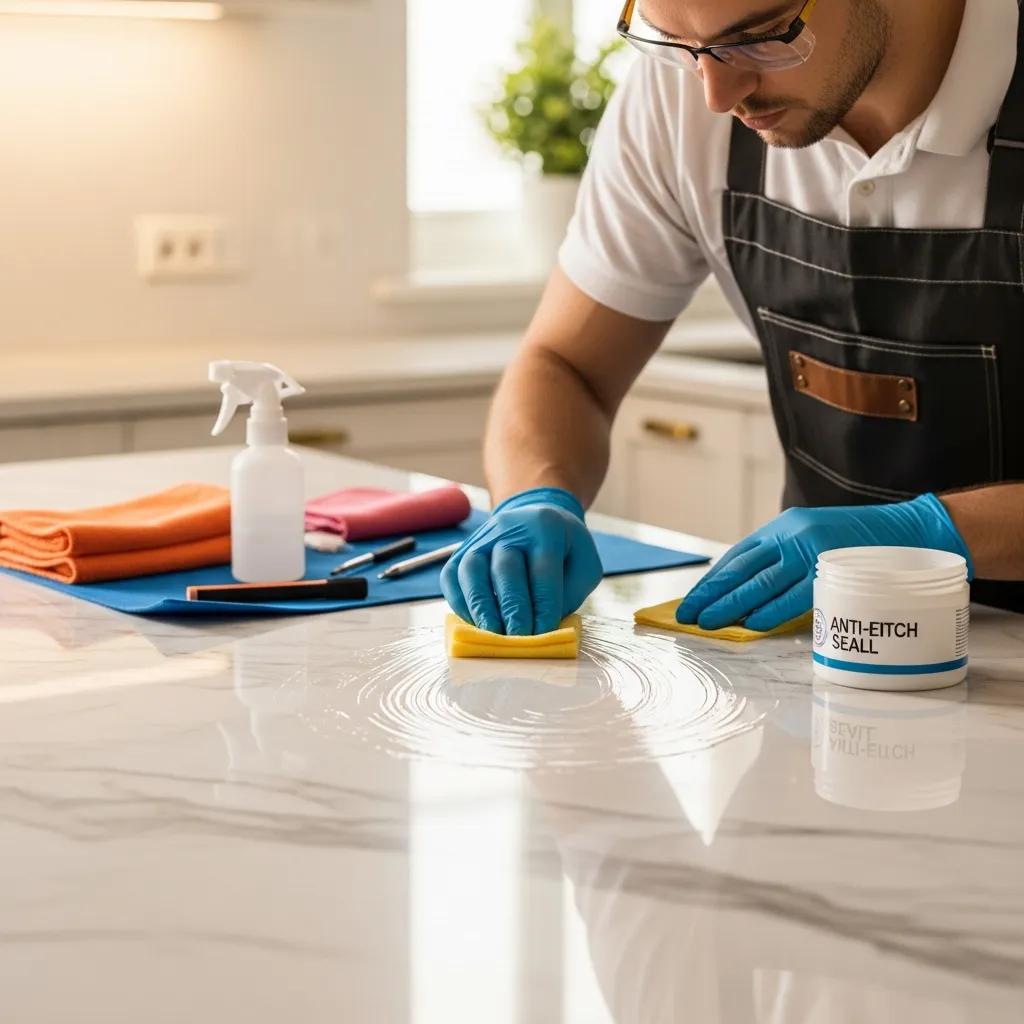
The application of anti-etch sealing is a meticulous process that requires professional expertise to ensure effective results.
What Steps Are Involved in Consultation, Preparation, and Application?
- Consultation: A professional assessment of the stone surfaces to determine the best sealing approach.
- Preparation: Thorough cleaning and surface preparation to ensure proper adhesion of the sealant.
- Application: The anti-etch sealant is applied evenly across the surface, ensuring complete coverage.
How Should Customers Maintain Their Stone After Anti-Etch Sealing?
Post-sealing maintenance is crucial for ensuring the longevity of the protective layer. Customers should:
- Use pH-neutral cleaners: Avoid acidic or abrasive cleaners that can damage the seal.
- Wipe spills immediately: Quick action can prevent potential etching.
- Schedule regular inspections: Professional assessments can help identify any areas needing re-sealing.
What Residential and Commercial Stone Surfaces Can Benefit from Anti-Etch Sealing in Nassau County?
Both residential and commercial properties can benefit from anti-etch sealing, making it a versatile solution for various applications.
How Does Anti-Etch Sealing Protect Kitchen Countertops, Bathroom Vanities, and Shower Walls?
In residential settings, kitchen countertops, bathroom vanities, and shower walls are frequently exposed to acidic substances. Anti-etch sealing provides essential protection, helping these surfaces remain functional and visually appealing. Homeowners can enjoy peace of mind knowing their stone surfaces are safeguarded against everyday wear and tear.
What Are the Benefits for Restaurants, Hotels, and Office Stone Surfaces?
Commercial establishments, such as restaurants and hotels, also benefit significantly from anti-etch sealing. High-traffic areas are prone to spills and stains, making protective sealing essential. By investing in anti-etch sealing, businesses can maintain a polished appearance, enhance customer satisfaction, and reduce long-term maintenance costs.
What Are the Most Common Questions About Anti-Etch Sealing in Nassau County?
As interest in anti-etch sealing grows, many potential customers have questions about the process and its benefits.
How Can I Prevent Marble Etching and Remove Existing Etch Marks?
Preventing marble etching involves regular maintenance and the use of protective sealants. For existing etch marks, professional restoration services can help restore the stone’s original finish, often using specialized polishing techniques to minimize damage.
What Is the Cost and Warranty of Anti-Etch Sealing Services?
The cost of anti-etch sealing services can vary based on the size of the area being treated and the specific materials involved. Typically, customers can expect competitive pricing, with warranties offered to ensure satisfaction and protection against future damage. For instance, High Line Stone Care provides free in-home estimates and occasional discounts on the first service, making it an attractive option for homeowners and businesses alike.
| Service Type | Description | Price |
|---|---|---|
| Anti-Etch Sealing | Protects against etching and staining | Varies by area |
| Restoration | Restores damaged stone surfaces | Competitive rates |
| Maintenance | Regular upkeep services | Custom packages available |
This table summarizes the services offered, highlighting the value of investing in professional stone care.
In conclusion, anti-etch sealing is an essential service for anyone looking to protect their marble and natural stone surfaces in Nassau County. By understanding the causes of etching, the benefits of sealing, and the professional processes involved, homeowners and businesses can make informed decisions to maintain the beauty and integrity of their stone surfaces.