

Expert Stone Polishing Services in Upper West Side, Manhattan: Comprehensive Care for Natural Stone Surfaces
Stone surfaces, whether in homes or commercial spaces, require regular maintenance to preserve their beauty and functionality. Expert stone polishing services play a crucial role in enhancing the appearance and longevity of these surfaces. In the Upper West Side of Manhattan, professional stone polishing not only restores the shine of natural stones but also protects them from damage and wear. This article will explore the benefits of professional stone polishing, the types of stones that can be polished, the polishing process, typical costs, and maintenance tips for both residential and commercial clients.
What Are the Benefits of Professional Stone Polishing in Upper West Side?
Professional stone polishing offers numerous advantages that enhance the aesthetic and functional qualities of natural stone surfaces.
- Enhanced Appearance: Polishing restores the original shine and luster of stone surfaces, making them look new and vibrant.
- Increased Longevity: Regular polishing helps protect stones from scratches, stains, and other forms of damage, extending their lifespan.
- Property Value Boost: Well-maintained stone surfaces can significantly increase the value of a property, making it more appealing to potential buyers.
For residents and business owners in the Upper West Side, utilizing expert stone polishing services ensures that their natural stone surfaces remain in pristine condition, reflecting the quality and care of their spaces.
How Does Stone Polishing Restore Marble and Granite Surfaces?
Stone polishing involves a meticulous process that restores the shine of marble and granite surfaces. The process begins with grinding, which removes deep scratches and imperfections. Following this, honing creates a smooth surface, and finally, polishing enhances the shine. This multi-step approach not only revitalizes the stone’s appearance but also prepares it for sealing, which provides an additional layer of protection against future damage.
Why Choose Expert Stone Care for Long-Lasting Shine and Protection?
Choosing expert stone care services, such as those offered by High Line Stone Care, ensures that your stone surfaces receive the best treatment possible. With over 10 years of experience, the company utilizes premium-quality products and techniques tailored to each stone type. Their satisfaction guarantee and quick response times further enhance the value of their services, making them a reliable choice for stone polishing in Manhattan.
Which Stone Types Do We Specialize in Polishing and Restoration?
High Line Stone Care specializes in polishing and restoring a variety of natural stones, each requiring specific techniques and care.
- Marble: Known for its elegance, marble requires gentle polishing to maintain its surface without causing damage.
- Granite: This durable stone can withstand more aggressive polishing techniques, making it ideal for high-traffic areas.
- Limestone and Travertine: These softer stones need specialized care to avoid scratching during the polishing process.
Understanding the unique needs of each stone type is essential for effective restoration and maintenance.
What Are the Unique Polishing Needs of Marble, Granite, and Travertine?
Marble, granite, and travertine each have distinct characteristics that influence their polishing needs.
- Marble: Due to its softer nature, marble requires a finer polishing approach to avoid etching and scratching.
- Granite: Being more resilient, granite can handle more intensive polishing methods, which can effectively remove deeper scratches.
- Travertine: This stone often has a porous surface, necessitating careful polishing to ensure that the finish is smooth without damaging the stone.
How Do We Tailor Stone Care for Limestone, Bluestone, and Quartz Caesarstone?
Limestone, bluestone, and quartz Caesarstone also have unique requirements for polishing and restoration.
- Limestone: This stone is sensitive to acidic cleaners, so polishing must be done with pH-neutral products to prevent damage.
- Bluestone: Known for its durability, bluestone can be polished using moderate techniques, but care must be taken to maintain its natural texture.
- Quartz Caesarstone: This engineered stone is non-porous and can be polished with standard techniques, but it requires specific products to maintain its shine.
How Is the Stone Polishing Process Performed by Experts in Manhattan?
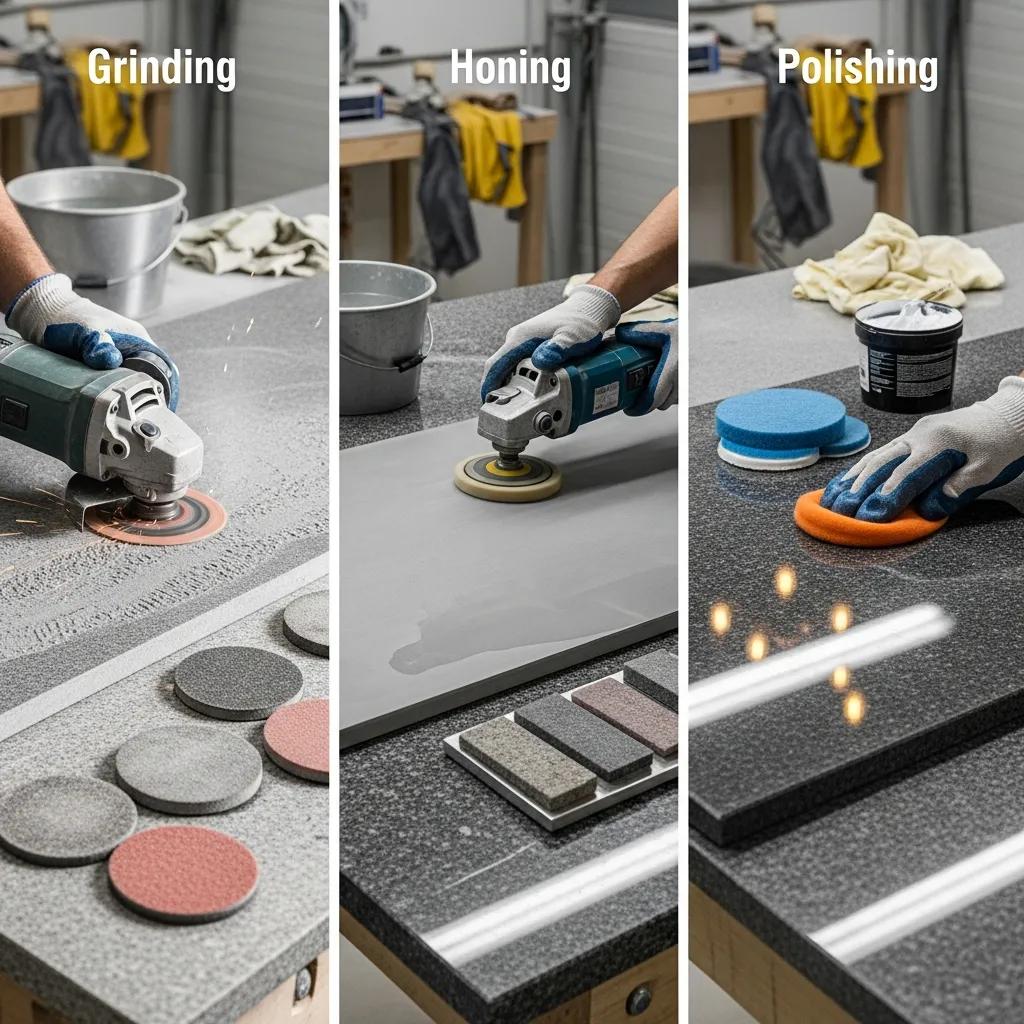
The stone polishing process is a detailed procedure that involves several key steps to ensure optimal results.
- Grinding: This initial step removes deep scratches and imperfections from the stone surface.
- Honing: After grinding, honing smooths the surface, preparing it for the final polishing stage.
- Polishing: This step enhances the shine of the stone, making it look new and vibrant.
- Sealing: Finally, sealing protects the polished surface from stains and damage, ensuring long-lasting beauty.
What Are the Steps Involved in Grinding, Honing, Polishing, and Sealing?
The steps involved in the stone polishing process are crucial for achieving the desired results.
- Grinding: Utilizes diamond abrasives to remove imperfections.
- Honing: Involves finer abrasives to create a smooth surface.
- Polishing: Uses polishing compounds to enhance shine.
- Sealing: Applies a protective layer to prevent future damage.
Each step is essential for maintaining the integrity and appearance of the stone.
Which Advanced Technologies and Eco-Friendly Products Are Used?
High Line Stone Care employs advanced technologies and eco-friendly products in their polishing process.
- Advanced Machinery: State-of-the-art equipment ensures precision and efficiency during polishing.
- Eco-Friendly Products: The use of environmentally safe products protects both the stone and the surrounding environment, making the process sustainable.
This commitment to quality and sustainability sets High Line Stone Care apart in the industry.
What Are the Typical Costs and Factors Affecting Stone Polishing Services in NYC?
The cost of stone polishing services can vary based on several factors, including the type of stone, the extent of damage, and the specific services required.
- Type of Stone: Different stones have varying costs associated with their polishing due to their unique properties.
- Condition of the Stone: Heavily damaged stones may require more intensive work, increasing the overall cost.
- Service Type: Additional services, such as sealing, can also affect pricing.
Understanding these factors can help clients make informed decisions about their stone care needs.
How Is Pricing Determined for Marble and Granite Polishing in Upper West Side?
Pricing for marble and granite polishing in the Upper West Side is typically determined by the following criteria:
- Size of the Area: Larger areas will naturally incur higher costs.
- Condition of the Stone: More extensive damage requires more work, which can increase the price.
- Market Rates: Local market conditions can also influence pricing, with competitive rates available in the area.
Are There Discounts or Free Estimates Available for Residential and Commercial Clients?
High Line Stone Care offers discounts and free estimates for both residential and commercial clients.
- 25% Discount: New clients can enjoy a 25% discount on their first service, making it an excellent opportunity to experience professional stone care.
- Free In-Home Estimates: Clients can receive a no-obligation estimate, allowing them to understand the costs involved before committing to services.
These offers make professional stone polishing accessible and affordable for all clients.
How Can Residential and Commercial Clients Maintain Their Stone Surfaces After Polishing?
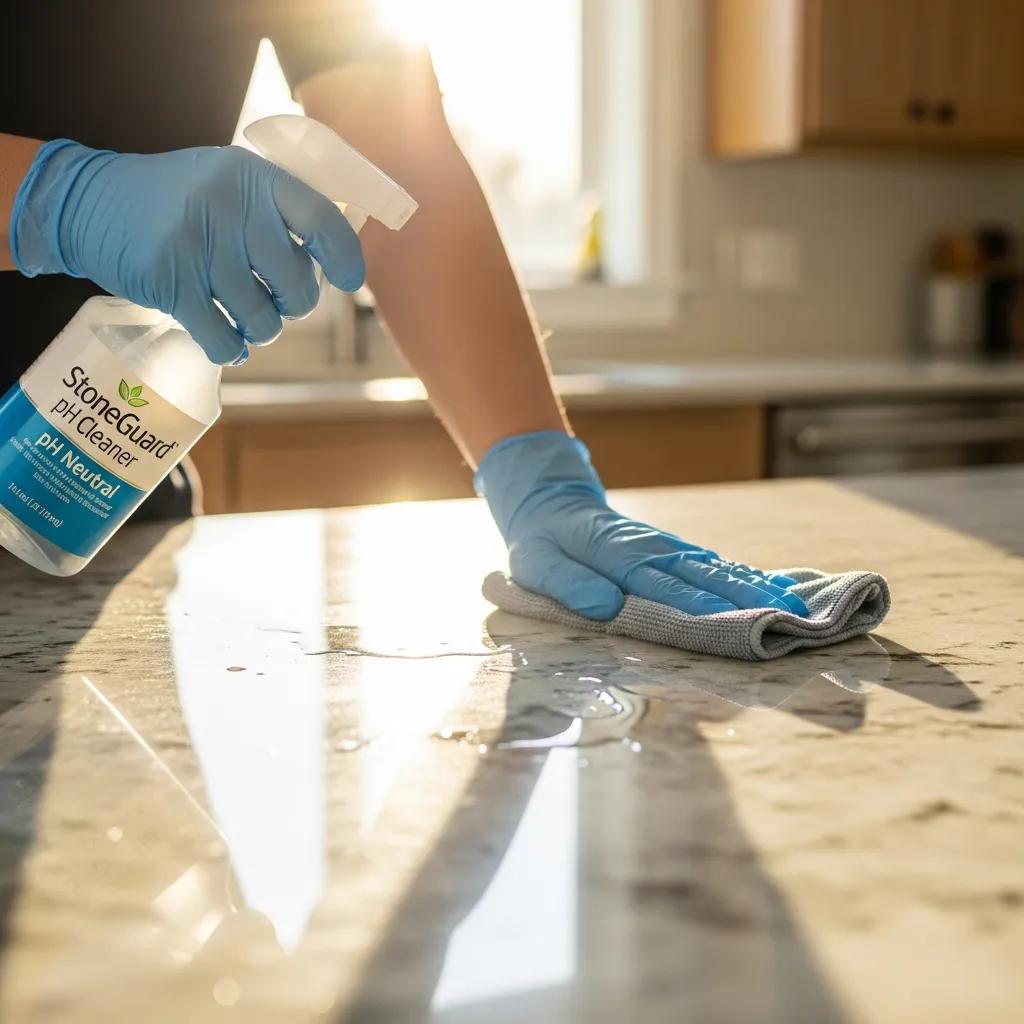
Maintaining stone surfaces after polishing is essential for preserving their beauty and longevity.
- Regular Cleaning: Use pH-neutral cleaners to avoid damaging the polished surface.
- Avoid Harsh Chemicals: Strong chemicals can etch and dull the surface, so it’s best to stick to gentle cleaning solutions.
- Periodic Professional Care: Scheduling regular professional maintenance can help keep stone surfaces looking their best.
What Are the Best Practices for Stone Care and Maintenance in NYC Homes?
For homeowners in NYC, the following best practices can help maintain stone surfaces:
- Daily Cleaning: Wipe down surfaces with a soft cloth to remove dust and debris.
- Avoiding Harsh Chemicals: Use only recommended cleaning products to prevent damage.
- Professional Maintenance: Schedule professional polishing and sealing every 1-3 years to maintain the stone’s appearance.
How Do Commercial Properties Benefit from Regular Stone Polishing and Sealing?
Commercial properties can greatly benefit from regular stone polishing and sealing.
- Enhanced Customer Experience: Well-maintained stone surfaces create a welcoming environment for clients and customers.
- Maintaining Property Value: Regular care helps preserve the value of the property, making it more attractive to potential buyers or tenants.
- Long-Term Cost Savings: Investing in regular maintenance can prevent costly repairs down the line.
What Are Common Questions About Stone Polishing Services in Upper West Side?
Many clients have questions regarding the frequency and effectiveness of stone polishing services.
- How Often Should Natural Stone Be Polished to Preserve Its Beauty?: Natural stone should typically be polished every 1-3 years, depending on usage and wear.
- Can Scratches and Etching Be Removed from Different Stone Types?: Yes, most scratches and etching can be effectively removed through professional polishing techniques.
How Often Should Natural Stone Be Polished to Preserve Its Beauty?
Natural stone surfaces should be polished every 1-3 years to maintain their beauty and protect against wear. Factors such as foot traffic and exposure to elements can influence this frequency, so regular assessments are recommended.
Can Scratches and Etching Be Removed from Different Stone Types?
Yes, scratches and etching can often be removed from various stone types through professional polishing. The effectiveness of the removal process depends on the severity of the damage and the specific stone type, but expert services can typically restore surfaces to their original condition.