
How to Remove Etch Marks from Marble Countertops: Expert Professional Solutions for NYC Homeowners
Etch marks on marble countertops can be a frustrating issue for homeowners, particularly in a bustling city like New York. These unsightly marks, often caused by acidic substances, can detract from the beauty of your natural stone surfaces. In this article, we will explore effective methods for removing etch marks from marble countertops, providing expert solutions tailored for NYC homeowners. You will learn about the causes of etch marks, the benefits of professional removal services, and how to prevent future damage. By understanding the nature of etch marks and the best practices for their removal, you can maintain the elegance of your marble surfaces.
What Are Marble Etch Marks and How Can You Identify Them?
Marble etch marks are dull spots or cloudy areas that appear on the surface of marble countertops, resulting from a chemical reaction between the marble and acidic substances. These marks can significantly diminish the aesthetic appeal of your countertops. Identifying etch marks is crucial for effective treatment, as they differ from stains, which are typically caused by pigments penetrating the stone.
The historical context of marble conservation further emphasizes the importance of understanding surface etching and its repair, as documented in various studies.
Marble Surface Repair & Etching Conservation
These natural weathering processes have been further documented along history of conservation and repair techniques. At high magnification all exposed samples exhibited surface etching and
Cleaning, iron stain removal, and surface repair of architectural marble and crystalline limestone: the metropolitan club, FG Matero, 1995
What Causes Etch Marks on Marble Countertops?
Etch marks are primarily caused by contact with acidic substances such as lemon juice, vinegar, or certain cleaning products. When these acids interact with the calcium carbonate in marble, they create a chemical reaction that dulls the surface. This reaction not only affects the appearance but can also compromise the integrity of the stone over time if left untreated.
Further research highlights that acid damage on marble, especially in urban settings, can also stem from biogenic causes and atmospheric pollutants.
Acid Damage on Marble: Urban Environment & Biogenic Causes
The factors and the mechanisms of destructive biogenic crystal genesis on a carbonate rock monument surface have been studied. It was shown that microorganism organic acid producing activity is the main factor of calcium oxalate metasomatic crystallization. The metasomatic crystallization of gypsum is connected with the activity of microorganisms as well as the presence of essential amount sulfuric gas in an atmosphere of industrial regions.
Biogenic crystal genesis on a carbonate rock monument surface: the main factors and mechanisms, the development of nanotechnological ways of inhibition, DY Vlasov, 2011
How to Recognize Etch Marks Versus Stains on Marble Surfaces?
Distinguishing between etch marks and stains is essential for proper treatment. Etch marks typically appear as dull spots or patches, while stains are often darker and can be more challenging to remove. To identify etch marks, look for areas that lack the natural shine of the marble and feel slightly rough or different in texture compared to the surrounding surface. Proper identification ensures that you apply the correct restoration method.
Why Should NYC Homeowners Choose Professional Marble Etch Removal?
Choosing professional marble etch removal services offers several advantages over DIY methods. Professionals possess the expertise and tools necessary to restore your marble countertops effectively, ensuring a high-quality finish that DIY attempts often fail to achieve.
What Are the Risks of DIY Etch Mark Removal on Marble?
DIY methods for removing etch marks can lead to further damage if not executed correctly. Common mistakes include using abrasive cleaners or incorrect polishing techniques, which can exacerbate the problem. Additionally, improper handling of the marble can result in uneven surfaces or additional etching, leading to costly repairs.
How Do Experts Use Diamond Abrasives and Polishing for Marble Restoration?
Professionals utilize diamond abrasives and specialized polishing techniques to restore the surface of marble countertops. This process involves carefully grinding away the damaged layer of stone, followed by polishing to restore the original shine. The use of diamond abrasives ensures a smooth finish, effectively removing etch marks without damaging the underlying marble.
What Is the Step-by-Step Process for Professional Marble Etch Repair?
The professional marble etch repair process involves several key steps to ensure effective restoration. Understanding this process can help homeowners appreciate the value of professional services.
How Does Highline Stone Care Assess and Prepare Marble for Restoration?
Highline Stone Care begins the restoration process with a thorough assessment of the marble’s condition. This includes inspecting for etch marks, stains, and any structural damage. Once the assessment is complete, the team prepares the surface by cleaning it to remove any debris or contaminants that could interfere with the restoration process.
What Are Honing, Polishing, and Sealing Steps in Marble Etch Removal?
The honing process involves using diamond abrasives to grind the surface of the marble, effectively removing etch marks and minor scratches. After honing, the marble is polished to restore its shine. Finally, sealing the marble is crucial to protect it from future damage, creating a barrier against acidic substances and stains. This comprehensive approach ensures long-lasting results.
How Can You Prevent Future Etch Marks on Marble Countertops?
Preventing future etch marks on marble countertops requires proactive maintenance and care. By implementing best practices, homeowners can protect their investment and maintain the beauty of their marble surfaces.
What Are the Best Practices for Marble Sealing and Maintenance in NYC Homes?
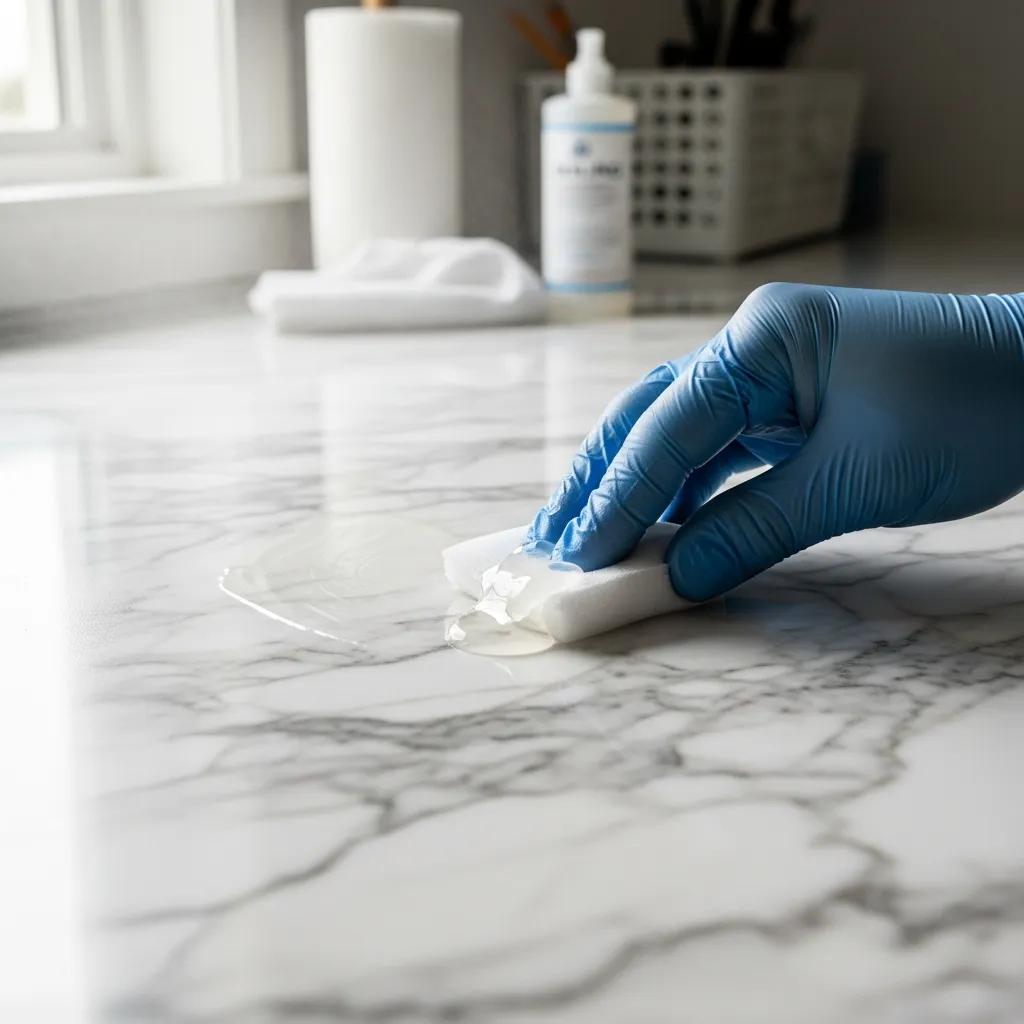
Regular sealing is essential for marble maintenance. Homeowners should seal their marble countertops every 6 to 12 months, depending on usage and the type of sealer used. Additionally, using pH-neutral cleaners and avoiding acidic substances can help prevent etching. Establishing a routine cleaning schedule will also contribute to the longevity of the marble.
How to Quickly Respond to Acidic Spills to Protect Marble Surfaces?
In the event of an acidic spill, immediate action is crucial. Homeowners should blot the spill with a soft cloth and rinse the area with water to dilute and neutralize the acid. Avoid scrubbing, as this can worsen the etching. Prompt response can significantly reduce the risk of permanent damage to the marble surface.
What Marble Countertop Restoration Services Are Available in NYC?
NYC homeowners have access to a variety of marble countertop restoration services that can effectively address etch marks and other damage. Understanding these options can help you choose the right service for your needs.
How Does Highline Stone Care Serve NYC Homeowners with Marble Restoration?
Highline Stone Care specializes in marble restoration, offering services that include etch mark removal, polishing, and sealing. With over 10 years of experience, they provide tailored solutions to meet the specific needs of NYC homeowners. Their expertise ensures that your marble surfaces are restored to their original beauty.
What Do Before & After Case Studies Reveal About Professional Etch Repair?
Before and after case studies demonstrate the effectiveness of professional etch repair services. Many clients report significant improvements in the appearance of their marble countertops, with restored shine and clarity. Testimonials highlight the value of investing in professional restoration, as the results often exceed DIY attempts.
What Are the Most Common Questions About Marble Etch Mark Removal?
Homeowners often have questions regarding the removal of etch marks from marble surfaces. Addressing these common concerns can provide clarity and confidence in the restoration process.
How Do Professionals Remove Etch Marks from Marble Effectively?
Professionals employ a combination of honing, polishing, and sealing techniques to effectively remove etch marks from marble. This multi-step approach ensures that the surface is not only restored but also protected against future damage. The use of high-quality materials and equipment further enhances the effectiveness of the restoration process.
Is Marble Etching Permanent or Can It Be Fully Restored?
Marble etching is not necessarily permanent. With the right professional techniques, most etch marks can be fully restored, returning the marble to its original condition. However, the success of restoration depends on the severity of the etching and the methods used. Regular maintenance and prompt attention to spills can help prevent permanent damage.
| Service | Description | Price |
|---|---|---|
| Etch Mark Removal | Professional removal of etch marks using diamond abrasives and honing | $249 |
| Polishing | Restores shine and smoothness to marble surfaces | $199 |
| Sealing | Protects marble from future stains and etching | $149 |
Marble countertops are a beautiful addition to any home, but they require proper care to maintain their elegance. By understanding the causes of etch marks and the benefits of professional restoration, NYC homeowners can ensure their marble surfaces remain stunning for years to come. Investing in professional services not only restores the beauty of your countertops but also protects them from future damage, making it a wise choice for any homeowner.