
Stone protection is defined as the use of breathable, penetrating sealers combined with proper cleaning routines and scheduled maintenance to preserve natural stone surfaces against staining, etching, and structural degradation. The best practices for stone protection require selecting the right sealer for your stone type, applying it under the correct conditions, and maintaining a consistent care schedule. Marble, granite, limestone, and travertine each respond differently to sealers and cleaning products, so a one-size-fits-all approach causes more harm than good. This guide covers the top stone protection methods used by professionals, with specific product categories, application steps, and maintenance schedules that homeowners and property managers can apply directly.
1. Best practices for stone protection start with choosing the right sealer
The two primary categories of stone sealers are penetrating (impregnating) sealers and film-forming sealers. Penetrating sealers absorb into the stone’s pores and repel liquids from within, while film-forming sealers sit on the surface and create a visible coating. For high-end residential stone, penetrating sealers are the professional standard because they preserve the stone’s natural appearance and allow vapor to escape.
Within penetrating sealers, silane and siloxane formulas are the most widely specified by stone care professionals. These chemically bond with the stone’s mineral structure, creating lasting water and oil repellency without altering surface texture. Solvent-based versions penetrate more deeply into dense stones like granite, while water-based versions are better suited for indoor use on marble or travertine due to lower VOC output.
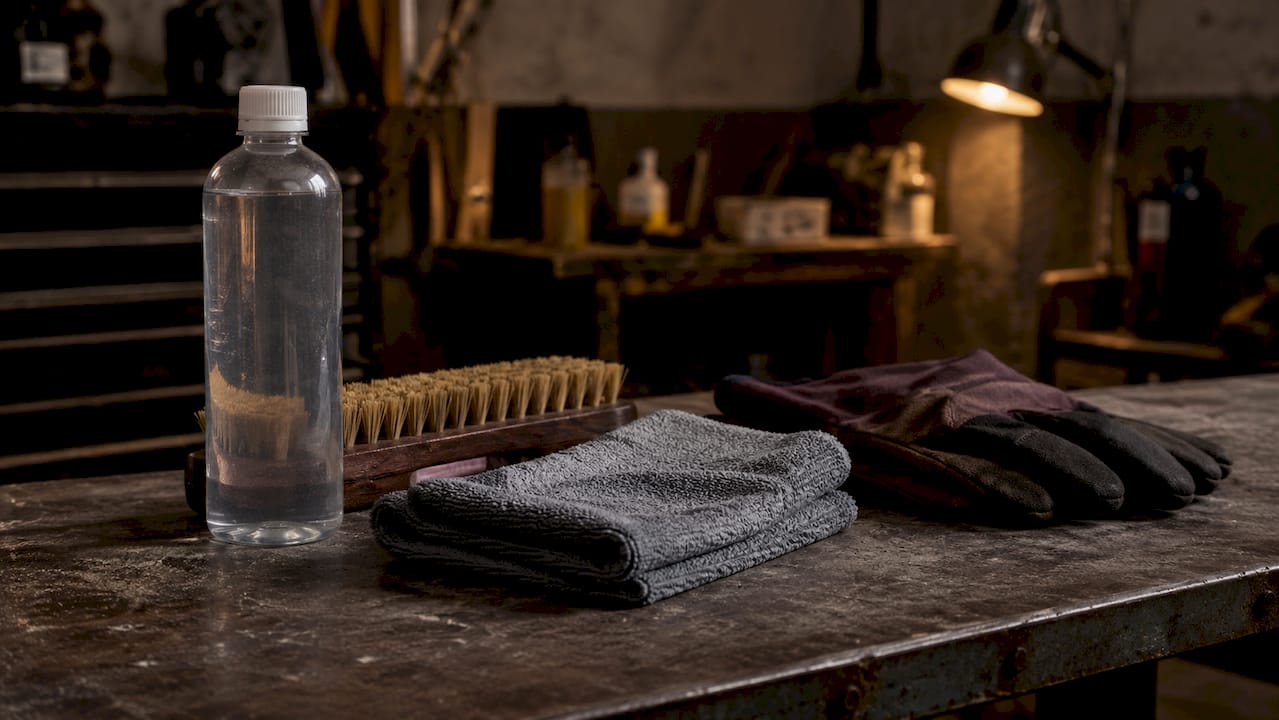
Premium impregnating sealers can carry performance warranties of 15–25 years when applied by certified professionals on compatible substrates. That warranty range reflects a meaningful difference in long-term value compared to budget sealers that require reapplication every one to three years.
| Sealer Type | Best For | Longevity | Appearance Change |
|---|---|---|---|
| Silane/siloxane impregnating | Granite, marble, travertine | 15–25 years (professional) | None |
| Water-based penetrating | Indoor marble, limestone | 3–5 years | Minimal |
| Film-forming (topical) | Slate, flagstone | 1–3 years | Adds sheen |
| Potassium silicate consolidant | Historic masonry, sandstone | 10+ years | None |
Pro Tip: Verify with your installer whether a sealer was applied during fabrication. Factory polish does not equal a sealed surface. If no sealer was confirmed, apply one within 30 days of installation to prevent early staining.
2. Prepare the surface correctly before sealing
Surface preparation is the step most homeowners skip, and it is the most common reason sealers fail early. Sealing over a dirty or damp surface traps contaminants under the sealer, which leads to discoloration, reduced adhesion, and premature breakdown.
Clean the stone with a pH-neutral, zero-residue cleaner before any sealing work. Many commercial soaps leave a sticky film that attracts dirt and degrades sealer performance over time. Products like Lithofin MN Easy-Care or Aqua Mix Stone Cleaner are formulated specifically to leave no residue on natural stone.
After cleaning, allow the stone to dry fully. Industry protocols require waiting at least 24–48 hours after cleaning and up to 7 days after new installation before applying any sealer. Sealing damp stone traps moisture inside the pores, which causes efflorescence, a white powdery deposit that is difficult to remove without professional intervention.
Check the ambient temperature before you begin. Most sealers require application between 50°F and 85°F with low humidity. Applying sealer in cold or humid conditions slows curing and reduces penetration depth.
3. Apply sealer with the correct technique
Correct application technique determines whether a sealer performs at its rated level or fails within months. The process is straightforward, but each step must be followed in sequence.
- Pour a small amount of sealer onto the stone surface or apply with a soft, lint-free cloth.
- Work the sealer into the stone using circular motions, keeping the surface visibly wet.
- Allow a dwell time of 5–15 minutes so the sealer penetrates the pores fully.
- Buff off all excess sealer with a clean dry cloth before it dries on the surface.
- Apply a second coat on highly porous stones like travertine or honed marble.
- Allow full curing time, typically 24–72 hours, before exposing the surface to water or foot traffic.
Keeping the surface wet during the dwell period is critical. If the sealer dries before you buff it off, it leaves a hazy film that requires mechanical removal. Work in small sections of 4–6 square feet at a time to maintain control.
Pro Tip: Apply sealer in two thin coats rather than one heavy coat. Thin coats penetrate more evenly and reduce the risk of surface haze, especially on polished marble and granite.
4. Maintain stone surfaces with the right cleaning products
Ongoing maintenance is what preserves both the stone and the sealer between applications. The products you use daily have a greater cumulative effect on stone longevity than any single sealing event.
- Use only pH-neutral cleaners formulated for natural stone. Products like Miracle Sealants Stone Soap or StoneTech Professional Stone & Tile Cleaner are designed to clean without stripping sealer.
- Avoid acidic cleaners, including vinegar, lemon-based sprays, and many bathroom tile cleaners. These products etch calcite-based stones like marble and limestone on contact.
- Avoid bleach and ammonia-based products. These degrade sealer chemistry and dull polished surfaces over time.
- Wipe up acidic spills immediately. Sealing protects against staining but does not prevent etching on calcite-based stones. A drop of lemon juice or wine left on sealed marble will still etch the surface if not removed promptly.
- Use trivets and coasters on stone countertops. Thermal shock from hot pans placed directly on stone can cause micro-fractures in the surface over time.
For daily cleaning of natural stone countertops, a damp microfiber cloth with a small amount of pH-neutral cleaner is sufficient. Avoid scrubbing pads or abrasive sponges, which scratch polished surfaces and create micro-channels where stains accumulate.
Pro Tip: Dry stone surfaces after cleaning rather than letting them air dry. Standing water near grout lines or edges accelerates mineral deposit buildup and can work into micro-cracks over time.
5. Perform annual protection checks with the water-bead test
The water-bead test is the simplest and most reliable method for assessing sealer condition before visible damage occurs. Place a few drops of water on the stone surface and observe the result. If the water beads up and sits on the surface, the sealer is intact. If the water absorbs into the stone within a few minutes, resealing is needed.
Perform this test annually on all sealed stone surfaces, and more frequently on high-traffic areas like kitchen countertops and bathroom vanities. Catching sealer degradation early prevents staining that requires professional restoration to correct. The test costs nothing and takes under a minute.
Document your sealing dates and the products used. This record helps you track resealing intervals accurately and provides useful information if you ever need professional stone restoration services.
6. Understand advanced protection methods for porous or historic stone
Some stone types require more than a standard impregnating sealer. Highly porous stones like sandstone, certain granites, and historic masonry benefit from deep-penetrating consolidants that strengthen the stone internally rather than just repelling surface liquids.
Potassium silicate consolidant works by forming silica gel inside the stone’s pore structure. This chemical reaction strengthens the stone from within while maintaining full vapor permeability. The result is a treated stone that resists water intrusion, freeze-thaw damage, and surface spalling without trapping moisture inside.
Key considerations for potassium silicate treatments:
- Best suited for sandstone, granite, and lime-based mortars in historic structures.
- Not recommended for limestone or marble, where the chemical reaction can cause surface discoloration.
- Requires application in dry conditions with stone temperatures above 40°F.
- Multiple thin applications are more effective than a single heavy coat.
- Maintenance cycles for consolidants are typically longer than standard sealers, often 10 or more years before retreatment is needed.
“For historic masonry restoration, deep-penetrating consolidants like potassium silicate preserve breathability and strengthen stone internally better than modern surface sealers.” — Concrete Fashion, Potassium Silicate Guide
Film-forming sealants should be avoided on historic or porous exterior stone. They trap moisture inside the stone, which accelerates spalling and freeze-thaw damage in climates like New York City’s.
7. Compare budget vs. premium stone protection strategies
Not every stone surface requires a premium sealer, but understanding where to invest and where to save prevents costly mistakes. The table below summarizes the key trade-offs.
| Strategy | Cost Level | Resealing Interval | Best Application |
|---|---|---|---|
| DIY water-based sealer | Low | 1–3 years | Low-traffic indoor stone |
| Mid-tier professional sealer | Moderate | 3–7 years | Residential countertops, floors |
| Premium impregnating sealer | High | 15–25 years | High-end marble, luxury properties |
| Potassium silicate consolidant | Moderate to high | 10+ years | Historic masonry, porous exterior stone |
Premium sealers with long warranties are worth the investment on surfaces where replacement or restoration would cost thousands of dollars. A marble kitchen island or a limestone bathroom floor in a Manhattan property represents significant value. Protecting that investment with a sealer that carries a 15–25 year warranty is straightforward math.
Signs that professional stone protection services are warranted include:
- Visible staining that does not respond to standard cleaning.
- Etching patterns across a large surface area.
- Stone that absorbs water immediately during the bead test.
- Surfaces that have never been sealed since installation.
- Historic or exterior stone showing signs of surface spalling or crumbling.
For natural stone protection in Manhattan, professional application ensures the sealer is matched to the specific stone type, porosity, and environmental conditions of the property.
Key takeaways
Effective stone protection combines the right sealer selection, correct application timing, and consistent maintenance to prevent damage before it starts.
| Point | Details |
|---|---|
| Choose penetrating sealers | Silane and siloxane impregnating sealers provide lasting protection without altering stone appearance. |
| Time your application correctly | Wait 24–48 hours after cleaning and 7 days after installation before sealing to avoid moisture trapping. |
| Use pH-neutral cleaners only | Acidic or residue-leaving cleaners degrade sealer performance and etch calcite-based stones. |
| Test sealer integrity annually | The water-bead test identifies resealing needs before stains or damage appear. |
| Match the method to the stone | Porous or historic stone requires consolidants like potassium silicate, not standard surface sealers. |
What I’ve learned from years of protecting high-end stone
The most common mistake I see is homeowners treating sealing as a one-time event rather than part of an ongoing care system. They seal the stone once after installation, assume the job is done, and then call us two years later with staining they cannot explain. The sealer degraded quietly, the water-bead test was never performed, and the stone absorbed a spill that a fresh sealer would have repelled in seconds.
The second misconception I encounter constantly is the belief that a polished surface is a protected surface. Polish affects appearance. Sealing affects protection. These are entirely different processes, and understanding the distinction is the foundation of every sound stone care plan.
In New York City specifically, stone surfaces face conditions that accelerate sealer wear. Humidity fluctuations between summer and winter, cleaning staff using the wrong products, and high foot traffic in lobbies and kitchens all shorten sealer lifespan faster than in more controlled environments. Premium sealers with long warranties are not a luxury in this context. They are the practical choice.
One thing I tell every property manager: document everything. Know what sealer is on your stone, when it was applied, and what cleaner is being used daily. That information turns a reactive repair situation into a proactive maintenance program. The cost difference between the two is significant.
— High
Protect your stone with Highlinestonecare’s expert services
Highlinestonecare provides advanced stone sealing and restoration services for homeowners and property managers across New York City. The flagship product, the Opal Luxury Anti-Acid Permanent Sealer, delivers permanent protection against both etching and staining on marble and other premium stone surfaces. Unlike standard sealers that require reapplication every few years, a single professional application is designed to last a lifetime. Highlinestonecare’s certified technicians assess your stone type, porosity, and environment before recommending any treatment, so you receive protection that is matched to your specific surface. Explore professional stone sealing services or contact Highlinestonecare to schedule an assessment for your property.
FAQ
What is the best sealer for marble countertops?
A penetrating impregnating sealer, such as a silane or siloxane formula, is the best choice for marble countertops. These sealers protect against staining without altering the surface appearance or blocking vapor transmission.
How often should natural stone be resealed?
Resealing frequency depends on the sealer type and surface use. Standard water-based sealers require reapplication every 1–3 years, while premium impregnating sealers applied by certified professionals can last 15–25 years.
Does sealing prevent etching on marble?
Sealing does not prevent etching on marble or other calcite-based stones. Etching is a chemical reaction between acid and calcium carbonate, and even a fully sealed marble surface will etch on contact with lemon juice, vinegar, or wine if not wiped up immediately.
How do I know when my stone needs resealing?
Perform the water-bead test annually. Place a few drops of water on the stone surface. If the water absorbs into the stone rather than beading up, the sealer has degraded and resealing is needed.
Can I seal stone myself or do I need a professional?
DIY sealing is suitable for low-traffic indoor stone using water-based sealers. For high-end marble, historic stone, or surfaces requiring long-term warranty coverage, professional application by a certified technician is the recommended approach.
Recommended
- How to Protect Natural Stone from Stains Effectively
- NYC Stone Care Guide: Expert Steps for Long-Lasting Surfaces
- Why Invest in Premium Stone Care: A Smart Guide
- Stone care terms explained: Expert guide for NYC homes