
The difference between natural and engineered stone is defined by composition: natural stone is 100% quarried mineral, while engineered stone is a manufactured composite of 90–93% crushed quartz and polymer resins. That single distinction drives every performance, aesthetic, and maintenance difference you will encounter on a real project. Homeowners, designers, and builders who understand this distinction make better decisions before the first slab is ordered. The wrong choice for the wrong application costs time, money, and the appearance of a premium surface.
What is the difference between natural and engineered stone?
Natural stone is formed by geological processes over millions of years. Granite, marble, quartzite, and limestone are quarried directly from the earth as unique mineral slabs, with no additives, binders, or manufacturing steps. Every slab is one of a kind, shaped entirely by heat, pressure, and mineral chemistry.
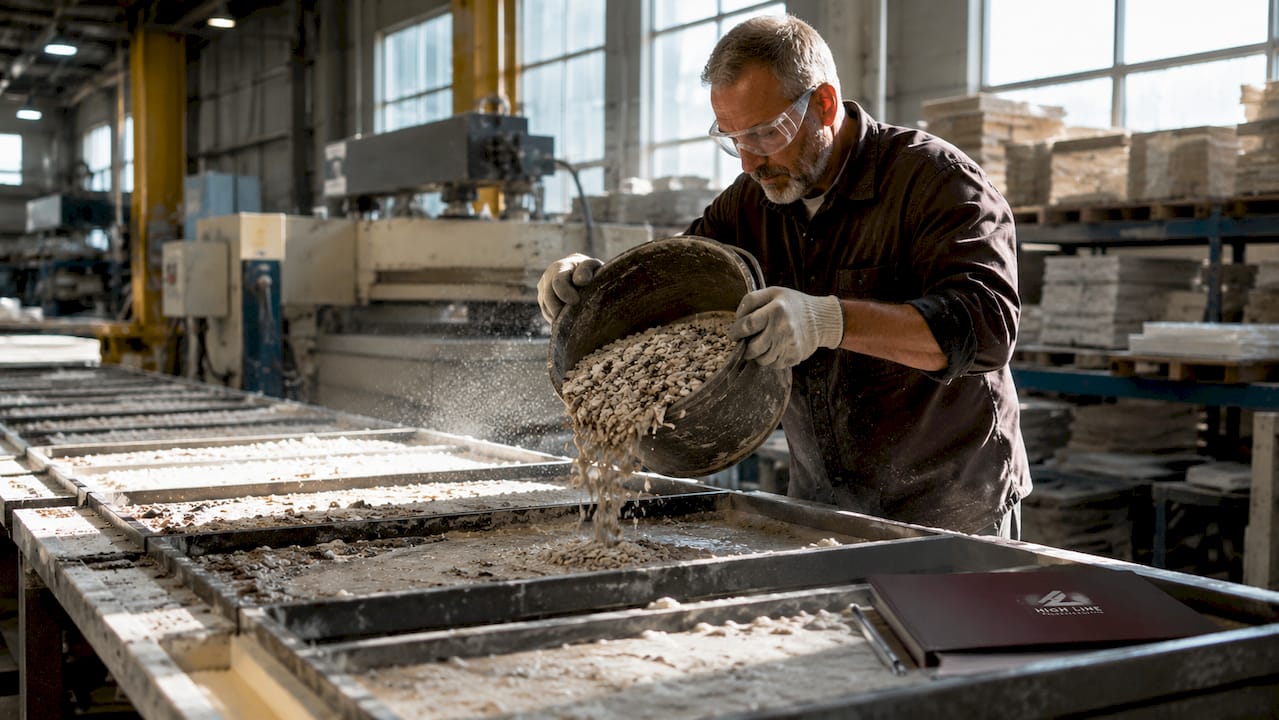
Engineered stone, also called quartz composite or manufactured stone, is produced in a factory. Crushed natural minerals, primarily quartz, are combined with polymer resins and pigments to create uniform slabs. The resin content, typically 7–10%, is what gives engineered stone its non-porous surface and consistent appearance. It also introduces the material’s key limitations, particularly around heat and UV exposure.
The table below summarizes the core compositional differences.
| Property | Natural stone | Engineered stone |
|---|---|---|
| Composition | 100% quarried mineral | 90–93% crushed quartz + 7–10% resin |
| Slab variation | Unique per slab | Consistent across production run |
| Porosity | Varies by stone type | Non-porous |
| Manufacturing | None, quarried directly | Factory produced |
| Color control | Natural variation only | Pigmented for consistency |
How do heat resistance and porosity compare?
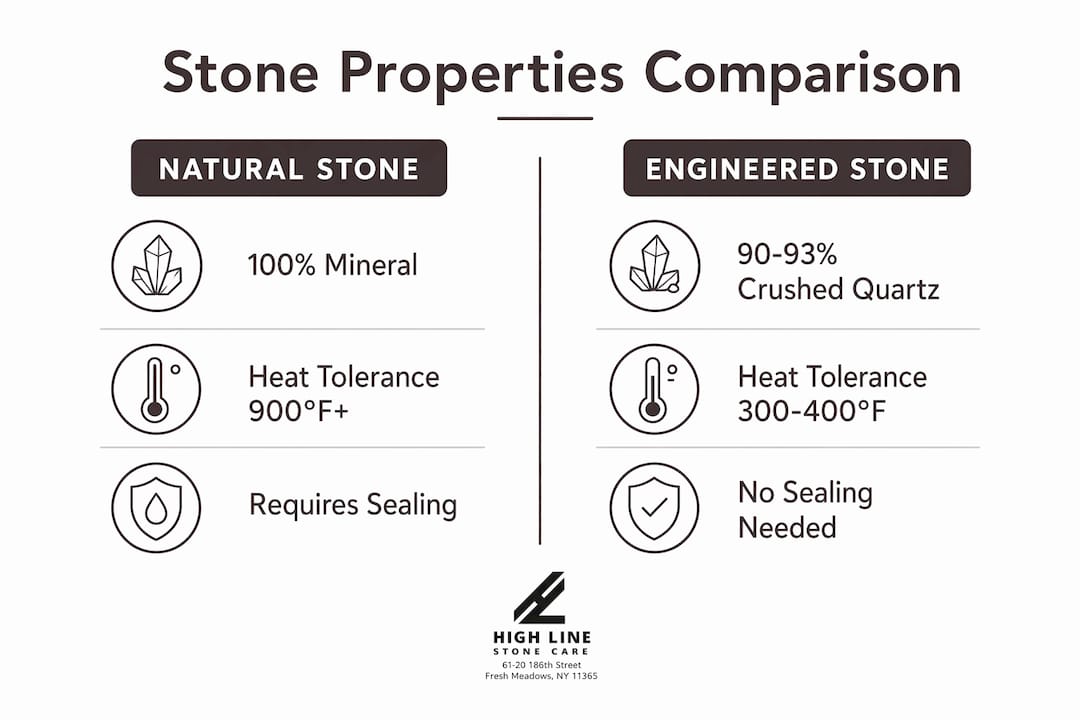
Heat resistance is where the gap between natural and engineered stone becomes most consequential for kitchens. Natural granite and quartzite resist heat up to 900°F and higher, making them genuinely safe near cooktops and ovens. Engineered stone tolerates only 300–400°F before the polymer binders begin to degrade. A hot pan placed directly on an engineered quartz surface can cause discoloration, cracking, or thermal shock damage around sinks and cooktops.
Porosity is the second major dividing line. Engineered stone requires no sealing because its resin binders close the surface completely. Natural stone, by contrast, is porous to varying degrees. Marble is highly porous and prone to etching from acidic liquids like lemon juice or wine. Granite is denser but still benefits from annual sealing. Quartzite sits between the two in terms of porosity, though it is often confused with engineered quartz.
Repairability is another point that favors natural stone. When a natural stone surface chips or dulls, a skilled technician can re-polish and refinish it on site. Engineered stone is difficult to repair invisibly. Significant damage typically requires full slab replacement, which adds cost and disruption.
Pro Tip: Never place a hot pan directly on engineered quartz. The resin binders begin to degrade at 300–400°F, and the resulting discoloration is permanent.
| Performance factor | Natural stone | Engineered stone |
|---|---|---|
| Heat tolerance | 900°F+ | 300–400°F |
| Sealing required | Annual (varies by type) | None |
| Stain resistance | Moderate (sealed) | High |
| Repairability | On-site refinishing possible | Often requires replacement |
| Scratch resistance | Moderate to high | High |
What are the aesthetic differences between natural and engineered stone?
Natural stone is valued for unique veining and organic variation, which is precisely why it dominates luxury residential and architectural feature installations. No two slabs of Calacatta marble or Blue Bahia granite are identical. That irreplaceability is a design asset in statement applications like fireplace surrounds, feature walls, and primary bathroom vanities.
Engineered stone offers a different kind of design value: predictability. Designers working on large commercial projects or multi-unit residential buildings rely on consistent color and pattern across dozens of slabs. Engineered stone also comes in colors and patterns that do not exist in nature, giving designers options beyond what quarries can supply.
UV stability is a critical factor for outdoor applications. Natural quartzite and granite hold their color in direct sunlight. Engineered quartz should be used indoors only because resin yellows under prolonged UV exposure. That yellowing is irreversible and disqualifies engineered stone from patios, outdoor kitchens, and facades.
Key aesthetic considerations at a glance:
- Natural stone: Each slab is unique, with organic veining that cannot be replicated.
- Engineered stone: Consistent patterns across every slab in a production run.
- Natural stone: Limited to colors and minerals found in the earth.
- Engineered stone: Available in a wide palette, including colors with no natural equivalent.
- Natural stone: Suitable for indoor and outdoor applications.
- Engineered stone: Indoor use only due to resin yellowing in sunlight.
- Natural stone: The preferred choice for luxury focal points and architectural statements.
- Engineered stone: The preferred choice for hygienic, high-use work surfaces in kitchens and commercial settings.
How do costs compare for homeowners and builders?
Engineered stone pricing ranges from $25 to $170 per square foot, installed. Natural stone generally runs $40 to $200 or more per square foot, depending on grade, origin, and scarcity. The overlap in the mid-range is real, which means budget alone does not determine the choice.
Maintenance costs shift the long-term calculation. Engineered stone requires no sealing and minimal professional care. Natural stone, particularly marble, requires annual sealing and periodic professional restoration to address etching, staining, and surface wear. Over a 20-year period, those recurring service costs add up. However, natural stone’s lifespan exceeds 50 years with proper care, while engineered stone typically lasts 15–50 years before showing wear that cannot be refinished.
Project goals should drive budget allocation more than upfront price comparisons.
- High-traffic kitchens: Engineered stone offers lower total cost of ownership due to zero sealing requirements.
- Luxury bathrooms and feature walls: Natural stone’s visual impact and longevity justify the higher investment.
- Commercial and hospitality spaces: Engineered stone’s non-porous, hygienic surface is the standard for food-prep and healthcare environments.
- Outdoor installations: Natural stone is the only viable option; engineered stone’s UV sensitivity makes it unsuitable.
- Resale value: Natural stone, particularly marble and quartzite, consistently commands premium valuations in luxury real estate markets.
Pro Tip: When comparing quotes, ask for the total installed cost including sealing, fabrication, and any annual maintenance contracts. The slab price alone does not reflect the true investment.
Key Takeaways
The core difference between natural and engineered stone comes down to composition: natural stone is quarried mineral with unique character and superior heat tolerance, while engineered stone is a manufactured composite offering consistent performance and zero maintenance.
| Point | Details |
|---|---|
| Composition defines performance | Natural stone is 100% mineral; engineered stone is 90–93% quartz with 7–10% resin binders. |
| Heat tolerance gap is significant | Natural granite and quartzite handle 900°F+; engineered stone degrades at 300–400°F. |
| Maintenance demands differ sharply | Engineered stone needs no sealing; natural stone requires annual sealing and periodic professional care. |
| Outdoor use favors natural stone | Resin in engineered stone yellows under UV exposure, making it unsuitable for outdoor applications. |
| Cost overlap exists in the mid-range | Both materials span similar price ranges; long-term maintenance costs often determine true value. |
My honest take on choosing between these two materials
After working with both materials across hundreds of residential and commercial projects in New York City, I find that the natural versus engineered stone debate is almost always resolved by asking one question: what is this surface going to do every day?
Engineered stone is the practical choice for busy households that prioritize low maintenance and consistent performance. It handles spills, resists staining, and never needs sealing. For a family kitchen that sees daily cooking, it is genuinely the more forgiving material. The trade-off is that it lacks the depth and character of a natural slab, and it cannot be repaired when damaged.
Natural stone, particularly marble and quartzite, rewards the homeowner who is willing to invest in proper care. The visual impact of a matched marble waterfall island or a book-matched quartzite feature wall is simply not replicable with manufactured material. The key is understanding that natural stone requires a protection strategy from day one. Marble is especially vulnerable to acid-related surface damage, and a dull patch near the sink is the most common complaint I hear from homeowners who skipped professional sealing.
The approach I recommend most often is a hybrid design strategy: natural stone for high-visibility focal points, engineered stone for work zones. A marble island waterfall with an engineered quartz prep surface gives you the best of both materials. It is not a compromise. It is a deliberate allocation of each material’s strengths.
— High
Protect your natural stone investment with Highlinestonecare
Natural stone delivers lasting elegance, but it demands the right protection from the start. Highlinestonecare specializes in advanced stone restoration and protection services for homeowners, designers, and property managers across New York City.
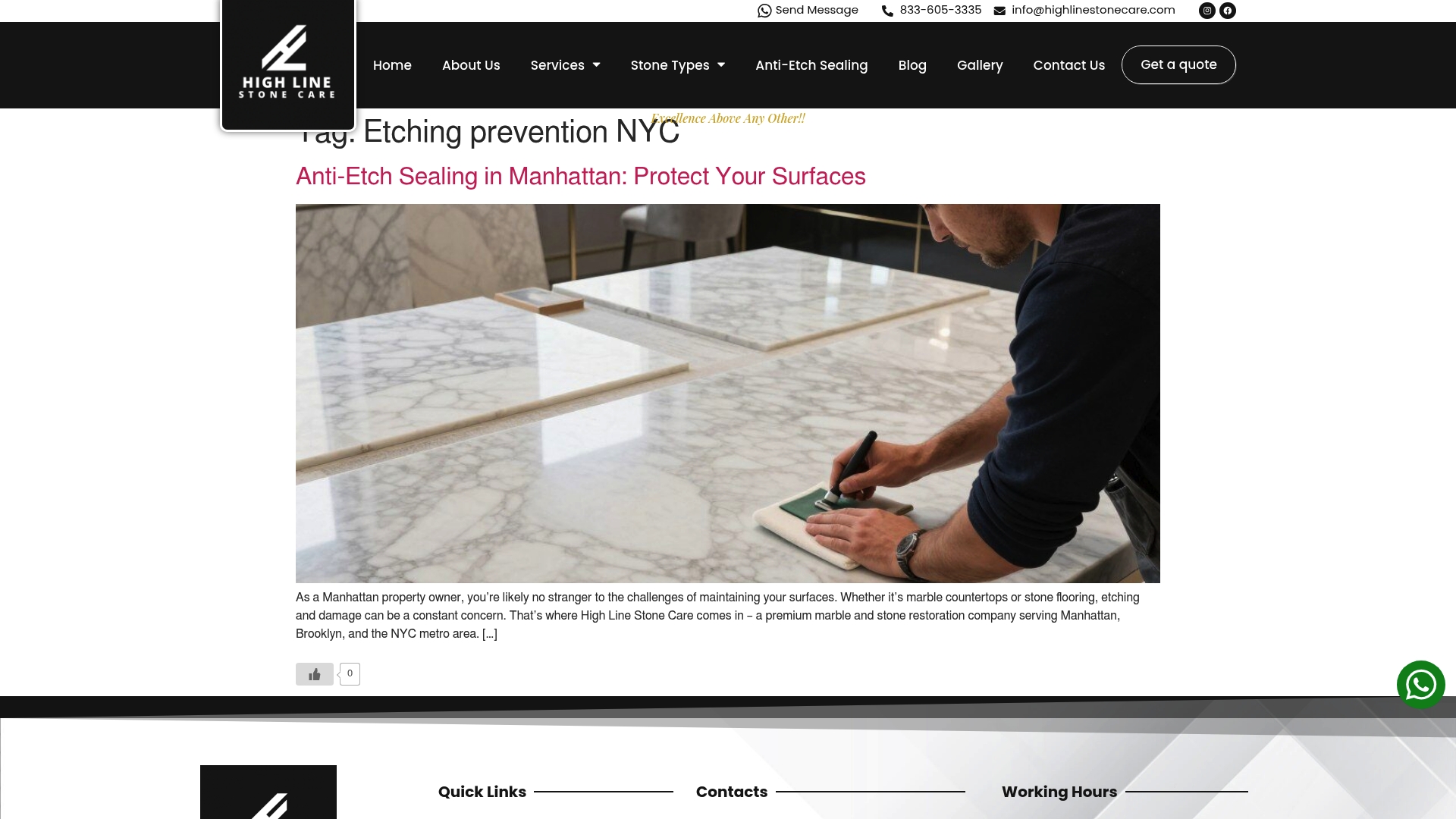
Highlinestonecare’s Opal Luxury Anti Acid Sealer provides permanent protection against etching and staining on marble and other natural stone surfaces. A single professional application creates a lasting barrier against acid-related surface damage, preserving the appearance and value of your stone for years. For homeowners managing premium marble countertops, vanities, or flooring, Highlinestonecare also offers stone sealing and restoration services tailored to the specific stone type and use environment. Contact Highlinestonecare to schedule a consultation and protect your investment before damage occurs.
FAQ
What is the main difference between natural and engineered stone?
Natural stone is 100% quarried mineral, while engineered stone is a manufactured composite of 90–93% crushed quartz and 7–10% polymer resins. That compositional difference drives all performance, aesthetic, and maintenance distinctions between the two materials.
Is natural stone better than engineered stone for kitchens?
Natural stone handles heat up to 900°F and can be refinished on site, making it more durable long-term. Engineered stone is non-porous and stain-resistant, making it lower maintenance for busy kitchens, but it degrades at 300–400°F.
Does engineered stone need to be sealed?
Engineered stone requires no sealing because its resin binders create a non-porous surface. Natural stone requires annual sealing, with softer stones like marble needing more frequent professional care to prevent staining and etching.
Can engineered stone be used outdoors?
Engineered stone is not suitable for outdoor use. The polymer resins yellow under prolonged UV exposure, causing irreversible discoloration. Natural quartzite and granite are UV stable and appropriate for outdoor kitchens, patios, and facades.
How long does each type of stone last?
Natural stone lasts 50 or more years with proper care and can be restored multiple times. Engineered stone typically lasts 15–50 years, and significant surface damage usually requires full slab replacement rather than on-site repair.
Recommended
- Stone care terms explained: Expert guide for NYC homes
- Best Practices for Stone Protection: A Homeowner’s Guide
- Why Invest in Premium Stone Care: A Smart Guide
- Marble vs Limestone: Key Differences for Designers